
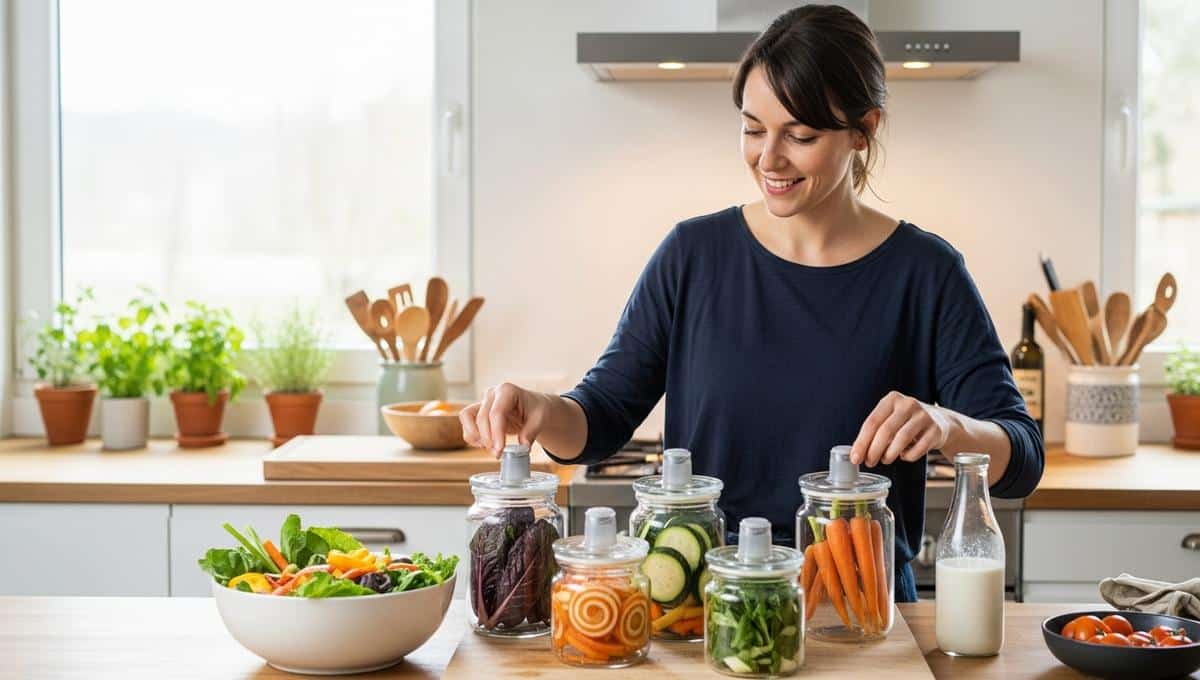
Pinterest is now at the center of a structural shift involving consumer food and beverage preferences. The immediate implication is that brands, restaurateurs and supply‑chain actors must re‑align product advancement, sourcing and marketing to capture emerging demand for functional, low‑waste and non‑alcoholic offerings.
The Strategic Context
Over the past decade, digital platforms have become primary taste‑making arenas, translating visual inspiration into real‑world consumption. This mirrors a broader cultural move toward experiential dining, health‑consciousness and sustainability, all amplified by a global middle class that values convenience without sacrificing authenticity. The rise of “home‑fermentation” and “zero‑waste” practices reflects demographic pressures (urban dwellers seeking efficient cooking) and regulatory trends (increased scrutiny of food waste and carbon footprints).Pinterest’s 500 million‑plus monthly user base provides a unique, early‑signal barometer that precedes traditional market research cycles.
Core Analysis: Incentives & Constraints
source Signals: The report notes a resurgence of straightforward cooking, fermentation, clean textures, and swift‑format meals; nostalgia blended with modern ingredients (e.g., miso, yuzu); a 3‑to‑6‑month lead time from idea to shelf; an 80 % reliability rating for past trend forecasts; growing interest in in‑house fermentation, protein‑rich breakfasts, flame cooking, upscale non‑alcoholic drinks, and coffee‑based innovations; and practical advice for early planning and menu stability.
WTN Interpretation:
Consumers are leveraging Pinterest to pre‑visualize meals, turning the platform into a demand‑aggregation tool. Brands are incentivized to monitor these signals because early adoption shortens product‑development cycles and reduces market risk. The emphasis on fermentation and zero‑waste aligns with cost‑saving imperatives for manufacturers facing volatile commodity prices and tightening sustainability regulations. The push for non‑alcoholic premium beverages taps into shifting social norms around health and inclusivity, offering a higher‑margin segment for beverage firms. Constraints include supply‑chain bottlenecks for specialty ingredients (miso, yuzu) and the need for culinary talent capable of delivering “flame‑cooked” experiences at scale. Additionally, the 80 % reliability suggests a residual uncertainty that firms must hedge against through pilot testing and regional roll‑outs.
WTN Strategic Insight
“When visual platforms turn taste into data,the speed of culinary innovation accelerates,making the kitchen the new front‑line of competitive advantage.”
Future Outlook: Scenario Paths & key Indicators
baseline Path: If consumer interest in health‑forward, low‑waste and non‑alcoholic experiences continues, brands will embed fermentation, plant‑based proteins and upscale mocktails into core menus. Supply chains will diversify to secure specialty ingredients, and investment in kitchen technology (e.g., home‑flame devices) will rise. The market will see incremental premium pricing and stable growth in related commodity segments.
Risk Path: If macro‑economic pressures (inflation, reduced discretionary spending) intensify or regulatory actions tighten import tariffs on niche ingredients, the momentum for premium experimentation could stall. Restaurants may revert to cost‑focused menus, and the “early‑signal” advantage of Pinterest could diminish as consumers prioritize price over novelty.
- Indicator 1: Quarterly search volume trends on Pinterest for “fermentation,” “zero waste recipes,” and “non‑alcoholic cocktails.”
- Indicator 2: Number of new menu items featuring fermented or mocktail components announced by major restaurant chains in the next 3‑6 months.
