
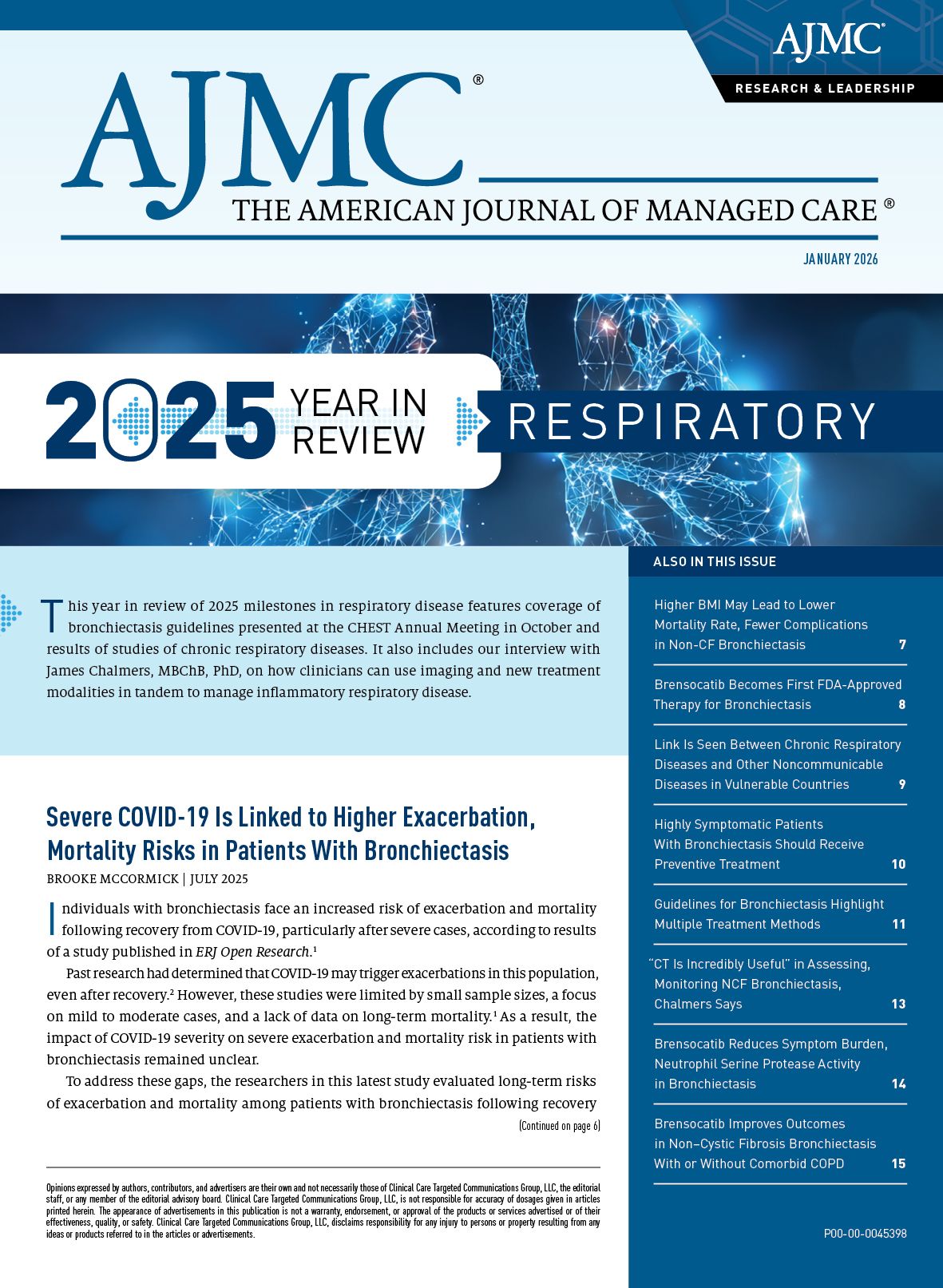
2025 Milestones in Respiratory Disease: A Year in Review
2025 marked a year of important advancements in the understanding and management of respiratory diseases. This review highlights key developments, including updated bronchiectasis guidelines presented at the CHEST Annual Meeting, emerging research on chronic respiratory conditions, and insights from an interview with leading expert James Chalmers, MBChB, PhD, on integrating imaging and novel therapies for inflammatory respiratory illnesses.
Advancements in Bronchiectasis Management
Bronchiectasis, a chronic condition characterized by abnormal widening of the airways, received focused attention in 2025.The CHEST Annual Meeting in October served as a platform for unveiling updated guidelines aimed at improving diagnosis and treatment strategies. These guidelines, developed by a panel of international experts, emphasize a personalized approach to patient care, considering disease severity, underlying causes, and individual patient characteristics.
Key updates to Bronchiectasis Guidelines
- Enhanced Diagnostic Criteria: The updated guidelines incorporate more sensitive and specific diagnostic criteria, including high-resolution computed tomography (HRCT) scans and biomarkers, leading to earlier and more accurate diagnoses.
- Personalized Treatment Plans: A shift towards tailoring treatment plans based on the specific phenotype of bronchiectasis, rather than a one-size-fits-all approach. This includes considering the presence of specific pathogens, the extent of airway damage, and the patient’s overall health status.
- Airway Clearance Techniques: Continued emphasis on the importance of airway clearance techniques, such as chest physiotherapy and oscillating positive expiratory devices, to remove mucus and reduce the risk of infections.The National Heart, Lung, and Blood Institute provides extensive information on these techniques.
- antibiotic Stewardship: Guidelines promote responsible antibiotic use to minimize the development of antibiotic resistance, a growing concern in bronchiectasis management.
Chronic Respiratory Disease Research: Emerging Trends
Beyond bronchiectasis, 2025 witnessed substantial progress in understanding and treating other chronic respiratory diseases, including Chronic Obstructive Pulmonary Disease (COPD) and asthma. Several key studies shed light on novel therapeutic targets and improved management strategies.
COPD Research Highlights
Research focused on identifying biomarkers that can predict COPD exacerbations, allowing for proactive interventions to prevent hospitalizations. Studies also explored the potential of inhaled corticosteroids combined with long-acting beta-agonists (LABAs) in reducing inflammation and improving lung function. The Centers for Disease Control and Prevention (CDC) offers detailed information on COPD prevalence and management.
Asthma Research Highlights
Advances in asthma research centered on the role of type 2 inflammation and the development of targeted therapies, such as monoclonal antibodies, to block specific inflammatory pathways. Furthermore, studies investigated the impact of environmental factors, such as air pollution, on asthma exacerbations and the potential for personalized asthma management plans based on genetic predispositions. the American Academy of Allergy, Asthma & Immunology (AAAAI) is a valuable resource for the latest asthma research.
interview with Dr.James Chalmers: Integrating Imaging and New Therapies
An insightful interview with Dr. James Chalmers, MBChB, PhD, a leading expert in inflammatory respiratory disease, highlighted the crucial role of advanced imaging techniques in guiding treatment decisions. Dr. Chalmers emphasized the importance of using HRCT scans and functional imaging, such as ventilation-perfusion scans, to assess the extent and severity of airway inflammation and damage.
“The ability to visualize the lungs in detail allows us to identify specific areas of inflammation and tailor treatment accordingly,” Dr. Chalmers explained. “This is particularly important in conditions like bronchiectasis and chronic asthma, where inflammation can vary significantly within the lungs.”
Dr. Chalmers also discussed the potential of new treatment modalities, including biologics and targeted therapies, to modulate the immune response and reduce airway inflammation. He stressed the need for careful patient selection and monitoring to maximize the benefits of these therapies.
The Future of Respiratory Disease Management
The milestones of 2025 demonstrate a clear trend towards personalized medicine in respiratory disease management. Continued research into biomarkers, advanced imaging techniques, and novel therapies will undoubtedly lead to further improvements in diagnosis, treatment, and ultimately, the quality of life for individuals living with these chronic conditions. The integration of telehealth and remote monitoring technologies also holds promise for improving access to care and empowering patients to actively participate in their own health management.
Published: 2026/01/24 00:02:21
