
Mars’ Enigmatic ‘Slope Streaks’ Finally Explained After 50-Year Mystery
WASHINGTON – After decades of bewilderment, scientists have pinpointed the origin of the roughly 2 million dark streaks crisscrossing the Martian surface, known as slope streaks. A new study reveals these features are likely a major, previously underestimated source of dust in the Martian atmosphere, potentially impacting future human exploration.
For 50 years, these recurring slope streaks - narrow channels of darkened material – have puzzled researchers. Initially dismissed as potential evidence of flowing water, that theory was largely debunked. Now, analysis of high-resolution images from orbiters suggests the streaks are formed by seasonal carbon dioxide frost destabilizing the Martian surface and triggering small landslides of dust.
The study, published recently, estimates the formation rate of new streaks at approximately 0.05 per existing streak annually. Considering the estimated 1.6 million slope streaks already present, this translates to around 80,000 new streaks forming each year. While most streaks are believed to persist for decades, the limited availability of long-term orbiter data prevents a definitive lifespan assessment.
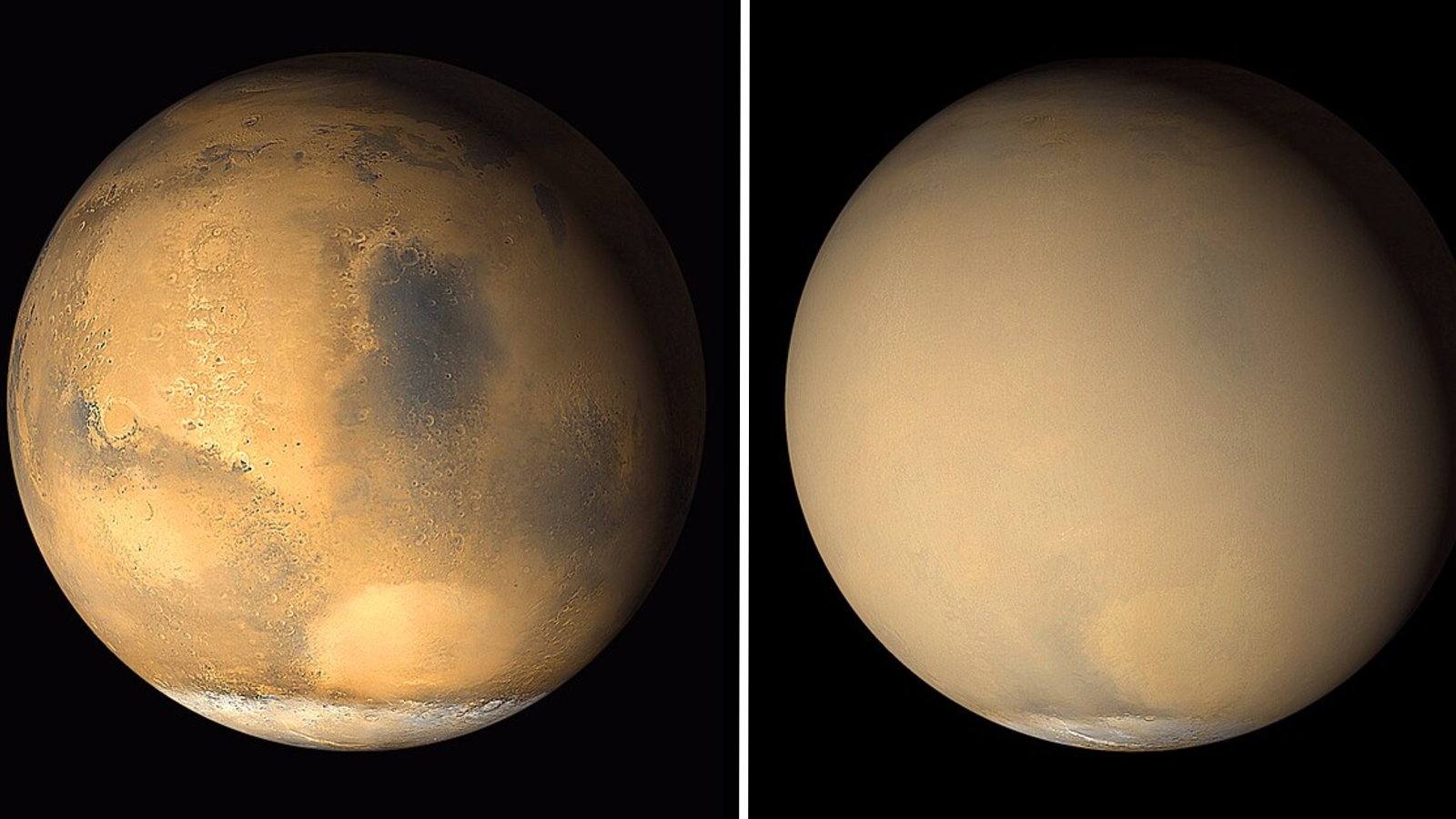
Despite covering less than 0.1% of Mars’ surface, the research indicates these slope streaks may be the largest single contributor to atmospheric dust. Understanding their role in the Martian dust cycle is crucial, as global dust storms can engulf the entire planet – as seen in images from June and july 2001 – and pose significant challenges for future human colonies.
“These observations could lead to a better understanding of what happens on Mars today,” said Colin Wilson, the European Space Agency’s project scientist for the ExoMars Trace Gas Orbiter, who was not involved in the study. “Obtaining long-term, continuous and global-scale observations that reveal a dynamic Mars is a key objective of present and future orbiters.”
The findings underscore the importance of continued Martian observation and highlight the dynamic nature of the Red planet, offering valuable insights for planning future missions and ensuring the safety of potential human settlements.
