18-Year-Old Charged in Murder of 7-Month-Old Brooklyn Baby
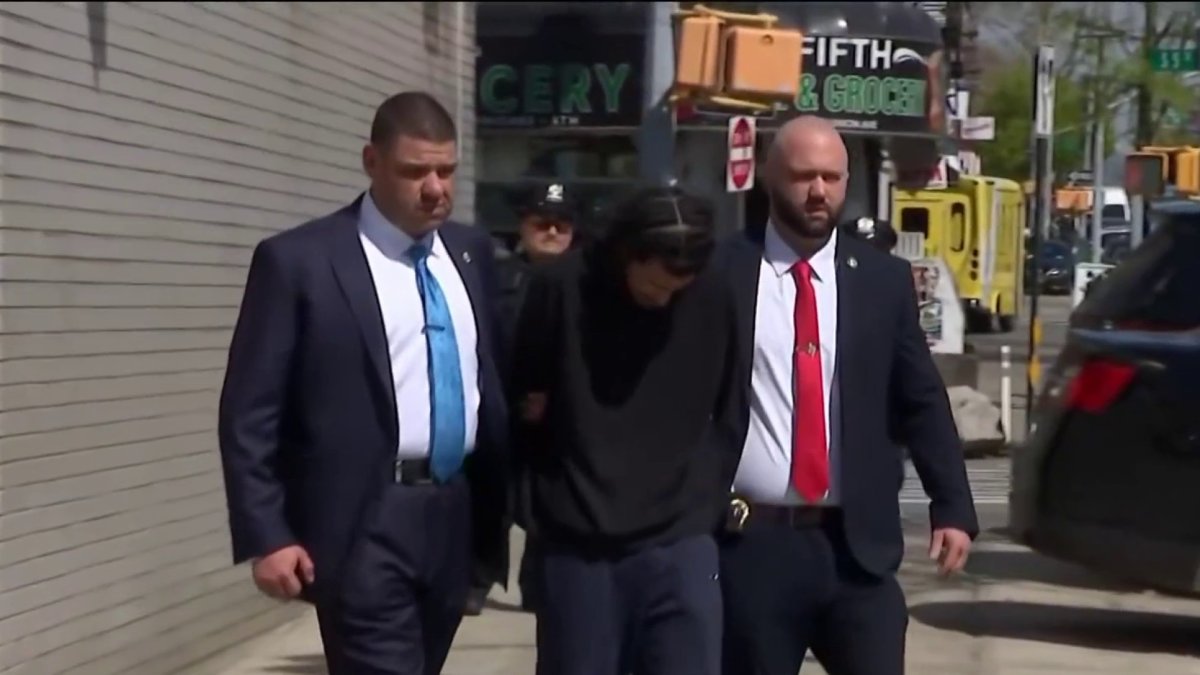
On April 14, 2026, 18-year-old Matthew Rodriguez was arraigned in Brooklyn on multiple charges, including murder, following the shooting death of seven-month-old Kaori Patterson-Moore. Rodriguez, who allegedly drove the getaway scooter, and 21-year-old Amuri Greene are accused of the tragedy, which resulted from a stray bullet during a violent encounter.
The death of an infant is a visceral failure of public safety. It isn’t just a tragedy; it is a symptom of a systemic crisis involving illegal firearm proliferation and a youth-driven violence cycle in New York City’s outer boroughs. When a stray bullet claims a life, the “problem” isn’t just the shooter—it is the environment that allows a teenager to operate a getaway vehicle and a young adult to carry a lethal weapon through residential streets.
This event forces a reckoning with the reality of urban gun violence. For the families left behind, the immediate need shifts from grief to a desperate search for justice and psychological stability. Navigating the aftermath of such a violent crime often requires the expertise of specialized criminal law practitioners to ensure that the prosecution remains rigorous and that victims’ rights are upheld throughout the judicial process.
A Chaotic Escape and a Legal Divide
The details emerging from the investigation paint a picture of desperation and recklessness. According to investigators, the suspects fled the scene on a scooter, only to collide with another vehicle while traveling the wrong way on a one-way street. This crash occurred just blocks from where the fatal shot was fired. Amuri Greene was apprehended shortly after the collision, while Rodriguez managed to evade immediate capture, eventually being tracked down and arrested in Pennsylvania.
During his court appearance, Rodriguez attempted to distance himself from the act of killing. “It wasn’t my fault, I didn’t pull the trigger,” he told reporters, his head bowed. In the eyes of the law, however, the distinction between the driver and the shooter is often blurred under the doctrine of accomplice liability. If Rodriguez knowingly participated in a venture that resulted in death, the “I didn’t pull the trigger” defense may hold little weight in a courtroom.
“The tragedy of a stray bullet is that it strips away the notion of ‘targeted’ violence. When a weapon is fired into a crowded neighborhood, the entire community becomes the target.”
The legal battle will now center on the intent and the coordination between Rodriguez and Greene. This case is being monitored closely by the NYPD and the Brooklyn District Attorney’s office as a benchmark for how the city handles youth-led violent crime in 2026.
The Macro-Crisis: Youth Violence in Brooklyn
Brooklyn has seen a fluctuating but persistent struggle with gun violence, often linked to territorial disputes and the ease of access to “ghost guns”—unserialized firearms that are nearly impossible for law enforcement to track. The case of Kaori Patterson-Moore is not an isolated incident but part of a broader trend where the age of offenders is trending younger.
Brooklyn District Attorney Eric Gonzalez highlighted the urgency of the situation, stating that the focus must remain on removing guns from the streets. The DA’s office is expected to announce new intervention efforts specifically targeting young people to curb this trajectory. However, government intervention alone is rarely the complete answer. Community-based youth mentorship programs and social services are the frontline defense in preventing 18-year-olds from becoming getaway drivers in murder cases.
To understand the scale of the problem, one must look at the intersection of municipal policy and street-level reality:
- Firearm Accessibility: The rise of 3D-printed components has bypassed traditional background checks, placing weapons in the hands of minors.
- The “Getaway” Culture: The use of scooters and e-bikes for rapid egress has complicated police pursuit tactics in dense urban grids.
- Judicial Pressure: There is increasing pressure on the New York State Unified Court System to balance rehabilitation for youth offenders with the necessity of stringent sentencing for violent felonies.
The Legal Perspective
Legal analysts suggest that the prosecution will lean heavily on the “conspiracy” element of the crime. By proving that Rodriguez and Greene acted in concert, the state can hold both equally accountable for the death of the infant, regardless of who held the weapon.
“In cases of accomplice liability, the law does not require the defendant to have intended the specific death of the victim, but rather that they intended to commit the underlying crime that led to the death,” says a senior analyst specializing in New York criminal procedure.
Addressing the Trauma of the Community
The funeral of seven-month-old Kaori Patterson-Moore served as a grim reminder of the collateral damage of urban warfare. Beyond the legal proceedings, there is a profound psychological void left in the wake of such violence. The trauma of losing a child to a “stray bullet” creates a ripple effect of PTSD and anxiety throughout a neighborhood, often leading to a decline in local business activity and a breakdown in community trust.

For families dealing with the aftermath of violent loss, the road to recovery is long. Many are turning to trauma-informed counseling centers to manage the grief and terror associated with these events. Without professional intervention, the cycle of trauma often fuels further instability in the region.
The current landscape of New York City’s legal and social infrastructure is being tested. As the city moves toward more aggressive intervention strategies, the effectiveness of these programs will be measured not by the number of arrests, but by the decrease in “stray” incidents that claim innocent lives.
The arraignment of Matthew Rodriguez is a momentary legal milestone, but the underlying cause—the casual presence of firearms in the hands of teenagers—remains a ticking clock. As the Brooklyn District Attorney’s office prepares its new intervention strategy, the community is left to wonder if policy can move faster than a bullet. For those caught in the crossfire, whether as victims or witnesses, the immediate priority is finding stability through verified legal and psychological support systems. The World Today News Directory continues to track the evolution of these municipal safety laws and the professionals dedicated to repairing the fabric of the city.