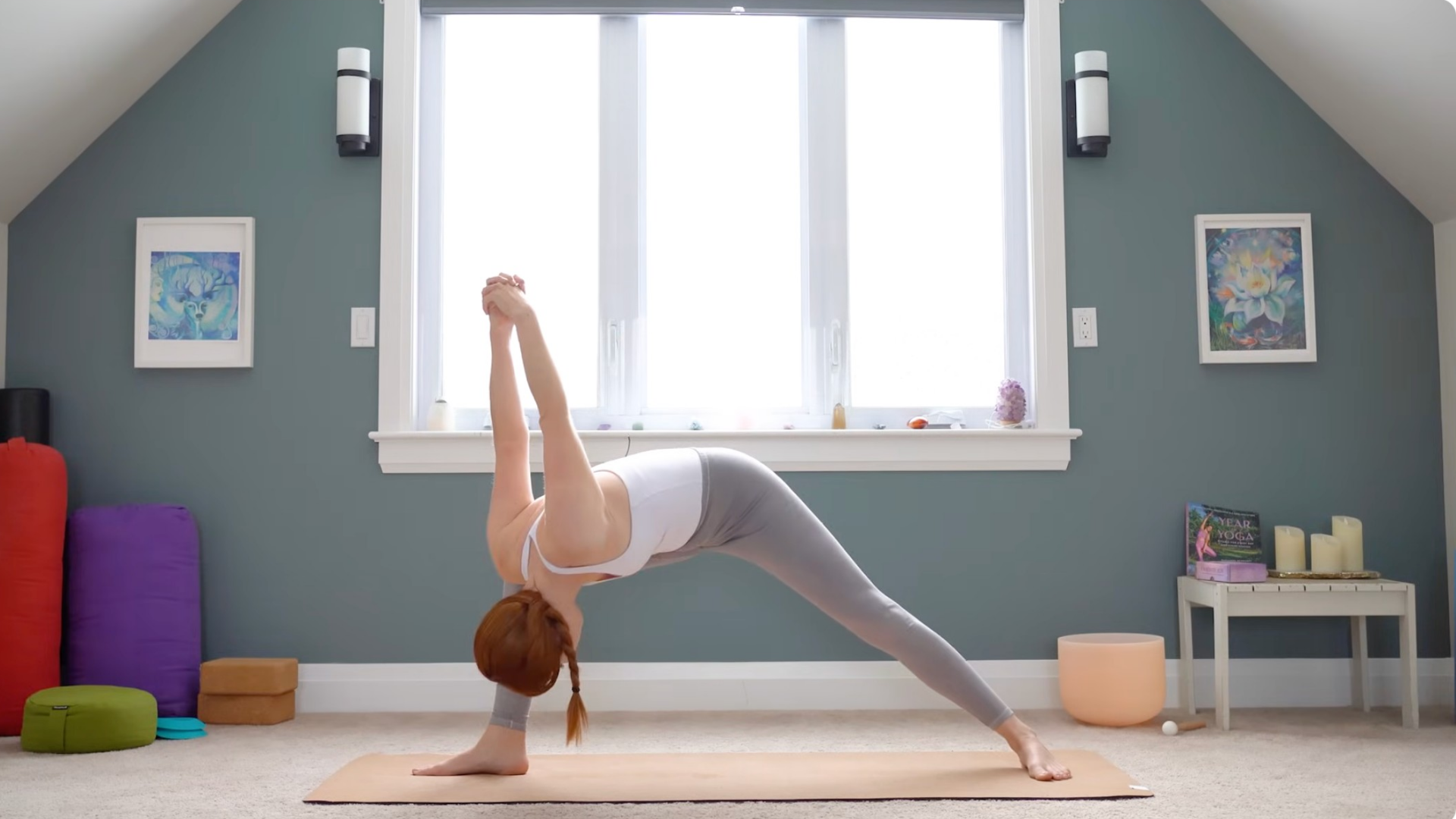
15-Minute Yoga for Upper Back and Tight Shoulders
The modern professional landscape has engineered a silent epidemic of musculoskeletal dysfunction, specifically targeting the cervical and thoracic regions. Chronic shoulder tension is no longer a mere inconvenience but a systemic response to sedentary behavioral patterns and the physiological demands of digital interfaces.
Key Clinical Takeaways:
- Approximately 16% of adults experience shoulder discomfort, with monthly prevalence rates reaching nearly one in three individuals.
- Shoulder pain often originates from chest tightness and mental stress, manifesting as trigger points between the shoulder blades.
- Targeted yoga interventions, such as the Dolphin and Half Frog poses, improve joint flexibility and restore range of motion in cases of adhesive capsulitis.
The pathogenesis of shoulder tightness is frequently rooted in the prolonged adoption of a forward-leaning posture, commonly referred to as “tech neck.” This positioning creates a cascade of tension that radiates from the chest across the shoulder girdle. While patients typically report pain in the shoulders, the underlying clinical cause is often severe tightness in the pectoral region. This imbalance pulls the shoulders forward, compressing the joint and creating painful knots or trigger points between the shoulder blades.
For those experiencing chronic stiffness that limits daily activities—such as brushing hair or achieving restful sleep—the risk of progression into more severe conditions is significant. When stiffness becomes profound, it may signal the onset of adhesive capsulitis, or “frozen shoulder.” This condition limits the range of motion through inflammation and thickening of the joint capsule. Patients struggling with this loss of mobility should seek evaluation from board-certified physical therapists to implement controlled, slow movements that restore circulation and joint function.
“Yoga for shoulder pain combines soothing stretches, light strengthening, and mindful movement to ease tension, improve mobility, and support lasting healing.”
The Biomechanics of Rotator Cuff Strain and Recovery
The rotator cuff consists of a complex group of muscles responsible for the lifting and rotation of the arm. These muscles are highly susceptible to strain resulting from repetitive movements or poor ergonomic alignment. When these tissues are irritated, the resulting pain can lead to a cycle of inactivity, further reducing the joint’s flexibility and increasing the risk of permanent morbidity in joint function.
Clinical recovery focuses on gentle strengthening and the restoration of flexibility to prevent further strain. When conservative stretching fails to alleviate deep-seated pain or when there is a suspicion of a rotator cuff tear, it is imperative to consult orthopedic specialists for advanced diagnostic imaging and targeted intervention.
Targeted Yoga Interventions for Upper Back Restoration
Yoga provides a non-invasive mechanism to counteract the effects of desk-bound lifestyles. By focusing on “shoulder-opening” poses, practitioners can open the joint and create the flexibility necessary for deeper backbends and improved thoracic mobility. Poses such as the Dolphin and Half Frog are specifically designed to target these joint restrictions, offering a pathway to increased flexibility.
A particularly effective sequence for those dealing with “tech neck” involves the Seated Cat (Marjaryasana) and Seated Cow (Bitilasana) poses. Unlike their traditional counterparts, the seated versions place a heavier emphasis on the shoulders. The process involves a deep inhalation while wrapping the arms around the back and interlacing the fingers. As the practitioner arches the back and gazes forward, they lift the hands, ensuring the shoulders remain depressed away from the ears while drawing the shoulder blades together.
This specific movement pattern targets the chest and the posterior shoulder, releasing the tension that accumulates from hours of computer use. Given that much of this tension is an expression of mental or emotional stress, the integration of mindful breathing is critical. The physiological shift from a sympathetic “fight or flight” state to a parasympathetic “rest and digest” state allows the muscles to release more effectively.
The Psychosomatic Link to Musculoskeletal Tension
There is a strong correlation between emotional distress and physical manifestations in the upper body. Many individuals subconsciously hold stress in their shoulders and neck, which creates a feedback loop of physical pain and increased mental anxiety. This somatic manifestation is often observed in patients who spend the majority of their day in high-stress environments or fixed positions.
Addressing this requires more than just physical stretching; it requires a mindful approach to movement. By combining physical postures with deep, controlled breathing, yoga helps decouple the emotional trigger from the physical tension. For those looking to establish a sustainable practice, engaging with certified yoga instructors can ensure that poses are performed safely and with the correct anatomical alignment to avoid further injury.
The goal of a 15-minute stretching routine is not a temporary fix but the establishment of a standard of care for one’s own body. Regular intervention prevents the transition from simple tension to chronic pathology, ensuring that the shoulder joint remains functional and pain-free throughout the aging process.
As we move toward a more integrated understanding of wellness, the intersection of mindful movement and clinical orthopedics becomes vital. The future of musculoskeletal health lies in the prevention of dysfunction through daily mobility work, supported by professional medical oversight when pathology emerges. To maintain optimal joint health, it is recommended to balance home-based stretching with periodic evaluations by vetted healthcare providers to ensure long-term mobility.
Disclaimer: The information provided in this article is for educational and scientific communication purposes only and does not constitute medical advice. Always consult with a qualified healthcare provider regarding any medical condition, diagnosis, or treatment plan.