1.5 Million Hajj Pilgrims Arrive Amid Regional Tensions & Iran Peace Deal Uncertainty
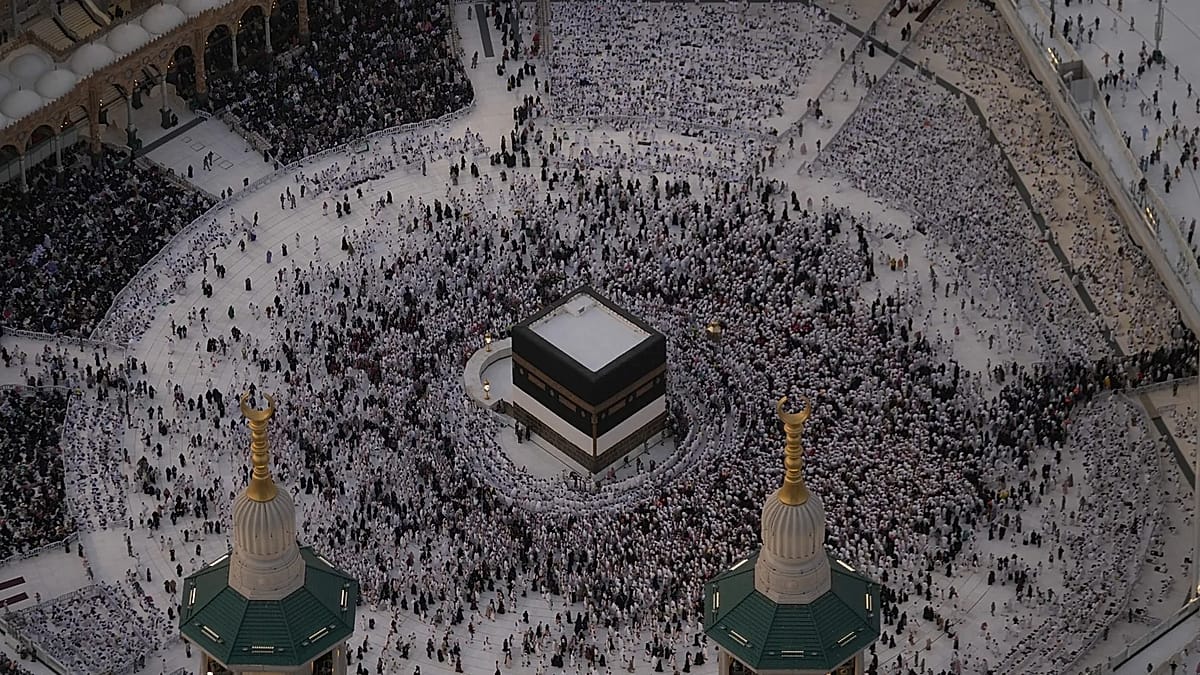
Saudi Arabia’s Ministry of Defense announced on Monday that it has completed preparations for the 2026 Hajj season, deploying a comprehensive security plan involving military, civilian, and medical coordination to accommodate over 1.5 million Muslim pilgrims arriving in the Kingdom. The deployment comes as tensions persist in the Middle East, with the Iran nuclear deal negotiations still unresolved and regional conflicts casting a shadow over one of Islam’s most sacred annual gatherings.
The pilgrimage, which began on Monday, has already seen numbers surpassing those recorded in 2025, despite ongoing geopolitical instability. Officials confirmed that operational readiness at Mina, the primary Hajj camp outside Mecca, has been achieved, with logistical infrastructure fully activated to handle the influx of worshippers. The Saudi government has intensified airspace security measures around Islam’s holiest sites, including Mecca and Medina, in response to heightened regional risks.

While the Hajj traditionally draws pilgrims from across the globe, this year’s event is unfolding against the backdrop of a delicate diplomatic moment. The stalled Iran nuclear deal negotiations, which have drawn international attention, add an undercurrent of uncertainty to the proceedings. Saudi officials have not publicly linked the security measures directly to the nuclear talks, but the coincidence of heightened preparations with the ongoing diplomatic standoff underscores the Kingdom’s focus on safeguarding the pilgrimage amid broader regional volatility.
Pilgrims arriving for the Hajj this year represent a diverse cross-section of the global Muslim community, with organizers emphasizing the seamless integration of security protocols into the spiritual experience. The Saudi government’s commitment to maintaining order and facilitating the pilgrimage—despite external disruptions—reflects its role as custodian of Islam’s holiest sites. However, the unresolved status of the Iran deal leaves open questions about whether additional security adjustments may be required as the pilgrimage progresses.
No further statements have been issued by Saudi authorities regarding potential adjustments to security protocols in response to the nuclear negotiations, though the Ministry of Defense has stressed its readiness to adapt as necessary. The Hajj is scheduled to conclude on the 28th of Dhul-Hijjah, marking the end of the Islamic lunar year, with pilgrims expected to depart Mina in an orderly fashion under the supervision of Saudi security forces.