بالفيديو.. لحظة القبض على مقيمين ارتكبا عمليات نصب واحتيال بنشر إعلانات خدمات حج وهمية في مكة.. والكشف عن جنسيتهما – صحيفة المرصد
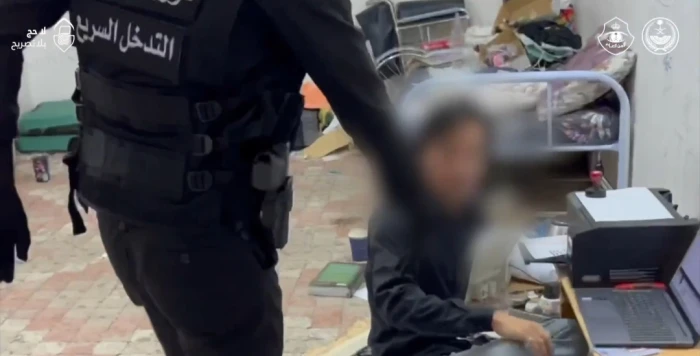
Security patrols in Makkah arrested Indonesian residents for orchestrating Hajj fraud. The suspects used misleading social media advertisements to sell fake services and forged “Nusuk” cards. This crackdown is part of a broader effort to eliminate unauthorized Hajj providers and protect pilgrims from financial exploitation in the Holy City.
The sanctity of the Hajj pilgrimage is often mirrored by the desperation of those wishing to complete it. For many, the bureaucratic hurdles of securing a permit can feel insurmountable, creating a vacuum that opportunistic criminals are eager to fill. In Makkah, this vulnerability has turned into a lucrative market for fraudsters who trade in illusions of legitimacy.
This is not merely a case of a few bad actors; This proves a targeted assault on the regulatory framework designed to keep millions of pilgrims safe. When scammers sell fake permits, they aren’t just stealing money—they are placing individuals in precarious legal positions, potentially leading to deportation or detention for the victims themselves.
The Anatomy of a Digital Deception
The recent arrests of Indonesian residents in the Holy City reveal a sophisticated operation that leveraged the reach of social media to cast a wide net. These individuals did not rely on simple verbal promises; they built a facade of officialdom. Security patrols recovered a toolkit of deception during the raids, including computer equipment, forged Hajj cards, and official-looking stamps.
The process typically follows a predatory pattern:
- The Lure: Misleading advertisements are posted across social media platforms, promising “guaranteed” Hajj services or expedited permits.
- The Validation: To convince skeptical victims, the fraudsters provide forged “Nusuk” cards—the official digital permits required for the pilgrimage.
- The Transaction: Once the victim believes the documentation is authentic, payment is demanded for “administrative fees” or “service packages.”
- The Collapse: The victims discover the fraud only upon arrival or during security checkpoints in Makkah.
It is a brutal cycle of hope and betrayal.
Because these scams often involve international transfers and complex digital footprints, victims frequently find themselves without recourse. Recovering lost funds from offshore accounts requires specialized help. Many affected families are now seeking international fraud attorneys to navigate the cross-border legal challenges of reclaiming their stolen assets.
A Systemic Crackdown on Forgery
The arrest of the Indonesian nationals is part of a wider, aggressive campaign by Makkah security forces to purge the city of forged credentials. The scope of the problem is larger than a single fraud ring. In a related sweep, the Makkah Regional Police apprehended 18 residents involved in a larger forgery operation. These individuals weren’t just faking Hajj permits; they were producing forged residency permits (Iqamas), Nusuk cards, and Hajj bracelets.
The production of forged Iqamas is particularly alarming. The residency permit is the cornerstone of a foreign national’s legal existence in Saudi Arabia. Forging these documents suggests a level of criminal coordination that threatens the integrity of the national identification system. By blending fake residency with fake pilgrimage permits, these rings create a “shadow” infrastructure that bypasses every security layer the state has implemented.
The Saudi government has responded by tightening the integration between the Ministry of Hajj and Umrah and local security patrols. Every bracelet and card is now cross-referenced in real-time against a centralized database, making the “physical” forgery of a card almost useless at the actual checkpoints.
The Nusuk Shield: Why Official Channels are Non-Negotiable
To understand why these arrests are so critical, one must understand the Nusuk platform. Nusuk is the official gateway for all pilgrims, designed to regulate crowd flow and ensure that every visitor has a legitimate spot and a safe place to stay. By attempting to bypass this system, fraudsters are essentially selling a ticket to a destination they cannot legally enter.
The danger for the pilgrim is twofold. First is the financial loss. Second is the legal peril. Entering the Holy City with forged documents is a serious offense under Saudi law. A pilgrim who believes they have paid for a “premium package” may find themselves facing criminal charges for document forgery the moment they are stopped by security.
For those navigating the complexities of Saudi immigration and pilgrimage laws, the risk of accidental involvement in these schemes is high. Many are now consulting vetted immigration consultants to ensure their documentation is beyond reproach before departing for Makkah.
The official path is the only safe path. All legitimate permits must be processed through the Nusuk official portal or authorized government agents. Any offer of a “shortcut” or a “special arrangement” via social media is, by definition, a scam.
The Long-Term Impact on Pilgrimage Security
These arrests send a clear signal to the expatriate community and international pilgrims: the era of “informal” Hajj arrangements is over. The transition to a fully digitized permit system has made it easier for the state to identify anomalies. While the criminals are becoming more tech-savvy—using better stamps and more convincing digital templates—the state’s ability to verify data in milliseconds is faster.

The ripple effect of these arrests will likely lead to increased scrutiny of social media advertisements targeting pilgrims. We can expect to see more collaborations between the Saudi Ministry of Interior and global tech platforms to flag and remove misleading Hajj advertisements before they can reach vulnerable audiences.
the fight against Hajj fraud is a fight for the dignity of the pilgrimage. When a person saves for a lifetime to visit Makkah, only to be defrauded by a forged card and a fake stamp, the damage is more than financial—it is spiritual.
As the regulatory environment in the Holy City continues to evolve, the need for verified, professional guidance has never been higher. Whether it is verifying a travel contract or resolving a legal dispute arising from a fraudulent transaction, relying on unverified “agents” is a gamble with one’s future. The only way to ensure a secure journey is to partner with certified professionals. You can find a comprehensive list of verified legal and travel experts through the World Today News Directory to ensure your path to the Holy City is legitimate, legal, and secure.