
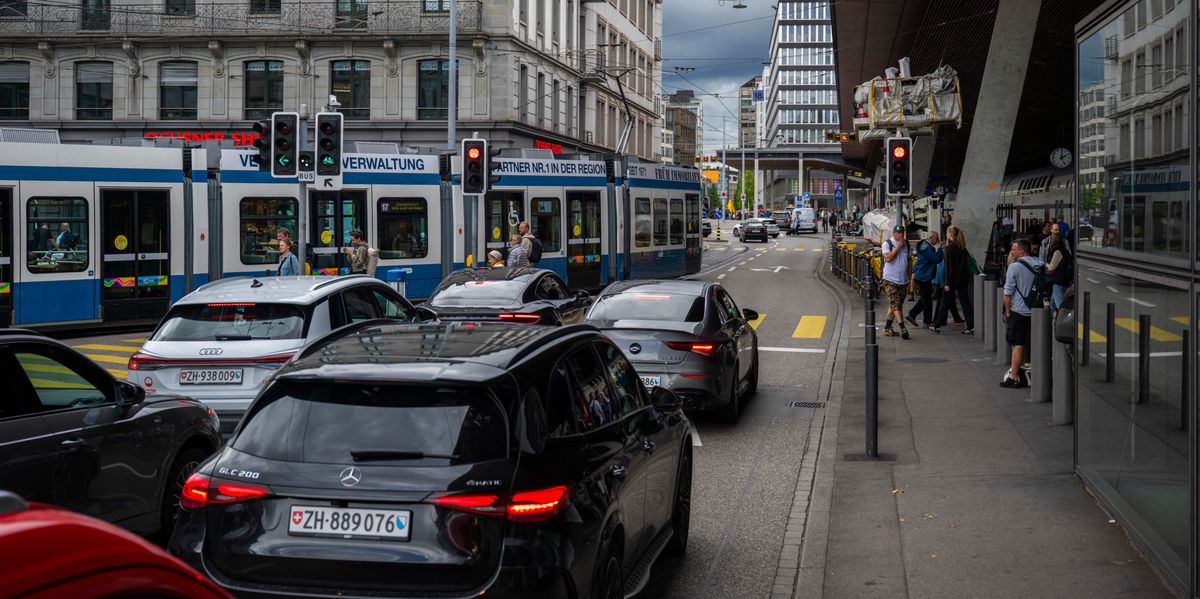
Zürich’s Bahnhofplatz Masterplan Accused of Serving Power Structures
Zürich, Switzerland – A newly released “Weissbuch” (white paper) outlining the future of Zürich’s central Bahnhofplatz is facing criticism for prioritizing marketing and power dynamics over genuine urban development, according to city and architectural historians Eric and Jürgen Häusler. The document, intended to guide the redesign of the city’s main square, is being characterized not as a vision for public space, but as a tool to reinforce existing control mechanisms.
The masterplan’s emphasis on aesthetics - trees and benches – masks a deeper agenda, the Häuslers argue.They contend the plan fails to account for the potential of the bahnhofplatz as a site for social and political expression, perhaps stifling dissent and prioritizing commercial interests. This debate arrives as Zürich grapples wiht ongoing discussions about the future of its urban core and the balance between economic development, public accessibility, and civic engagement. The outcome will shape the character of the city center for years to come,impacting residents,commuters,and visitors alike.
The historians assert that urban development plans are fundamentally belief systems, not immutable natural laws. They express hope for the emergence of movements that will champion choice visions for the city-visions rooted in social justice, subcultural inclusivity, and a rejection of purely commercial logic. Such a shift,they suggest,would transform the Bahnhofplatz into a dynamic space accommodating not onyl curated greenery but also conflict,protest,and diverse community-led initiatives.
Eric Häusler is a city and architectural historian at ETH Zürich, while Jürgen Häusler is a retired marketing consultant and former university professor.
