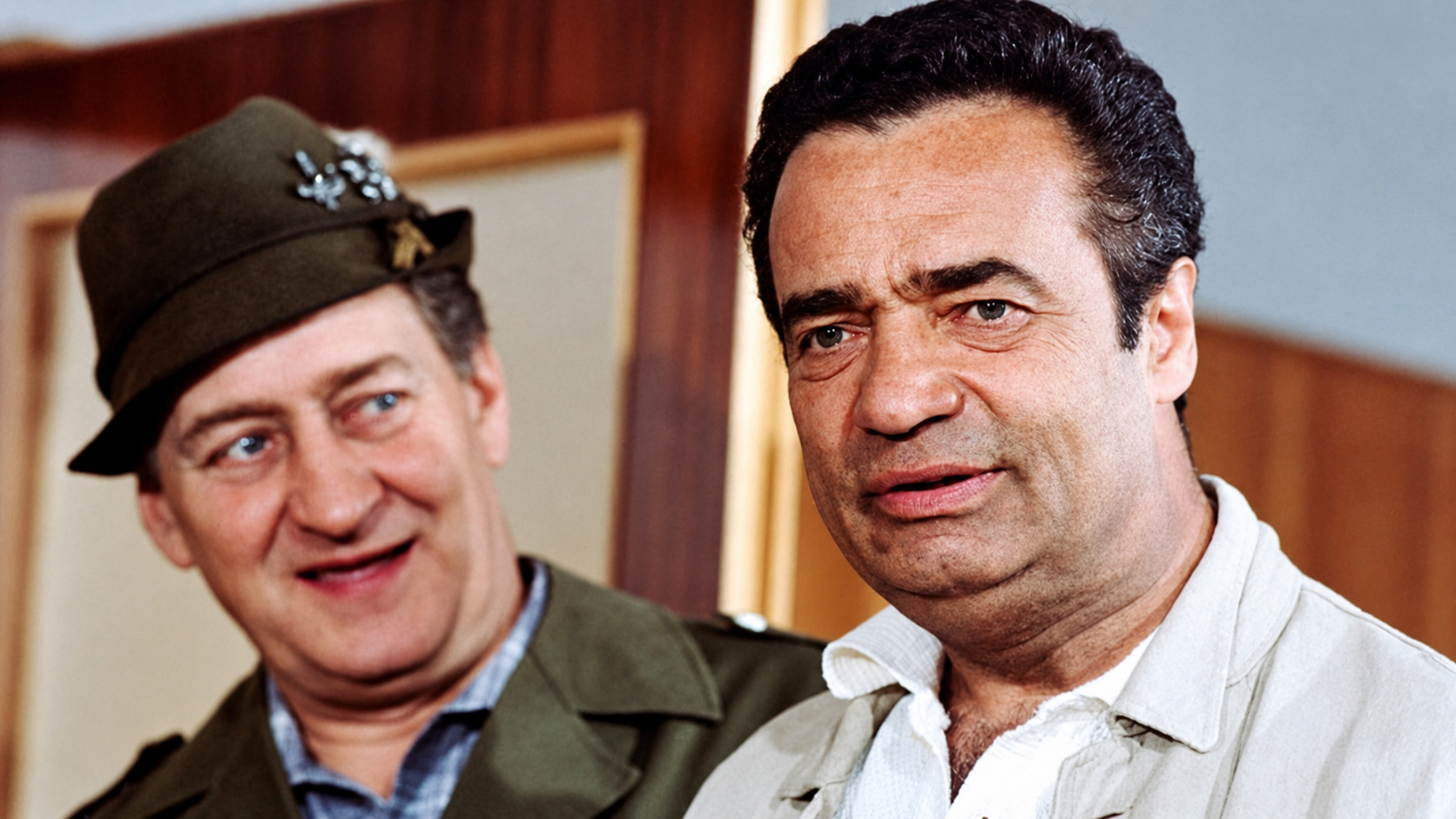
Zralé víno production faced personal crises and political mandates
The 1981 Czech comedy Zralé víno drew over 328 tisíc paying cinema patrons by the end of the decade, yet production archives reveal that the festive feature masking as a lighthearted rural romp emerged from one of the darkest periods in domestic filmmaking history, filmozrout.cz reported.
Political Mandate Behind the Pálavice Vineyards
While audiences encountered a breezy narrative centered on cooperative chairman Michal Janák building a corn drying facility and confronting local fraudsters, the project carried heavy institutional obligations. The production originated as an official contribution from the Barrandov Film Studio to the 16th Congress of the Communist Party of Czechoslovakia. Despite its explicit ideological framework, viewers embraced the sequel to Bouřlivé víno, flocking to theaters across the country to follow Janák’s disputes and economic struggles.
Behind the idyllic Southern Moravian backdrop of Velké Bílovice—where production took over village squares, cultural houses, and the iconic chapel on Hradišťko hill—the atmosphere diverged sharply from the lighthearted camaraderie of the first installment. Director Václav Vorlíček faced severe interpersonal and logistical hurdles on set as his leading cast members dealt with profound personal crises.
Medical Struggles and Family Crises on Set
Leading star Vladimír Menšík arrived for filming in deeply compromised physical condition. According to director Vorlíček’s recollections, Menšík relied on risky self-medication, frequently obtaining drugs independently and occasionally overdosing. When alterations in Menšík’s delivery and off-script improvisations disrupted the schedule, Vorlíček halted production, triggering sharp arguments between the director and the ailing actor.
Co-star Jiří Sovák endured an equally grim reality during the shoot. His son, Jiří Schmitzer, had recently entered prison following a fatal drunk driving accident. Unable to reconcile with his son’s imprisonment, Sovák isolated himself from the crew and sought constant solitude between takes. Miloš Kopecký fought a silent, lifelong battle with severe depression, though he managed to mask his condition completely while shooting three distinct film roles throughout 1981.
Dubbing Anomalies and Production Glitches
Amid the behind-the-scenes strain, the production incorporated lighter personal touches and unexpected technical compromises. Iva Janžurová, who portrayed cooperative worker Šmejkalová, brought her young daughters Theodora and Sabina Remundová to the set during school holidays, placing them in the background child ensemble. Conversely, the film’s audio track relied heavily on substitution. Out of 62 credited actors, numerous supporting figures received entirely different voices; Ladislav Županič dubbed Vítězslav Jandák, Jana Švandová voiced Slovak actress Judita Ďurdiaková, and Mirko Musil voiced three separate roles.
Continuity errors accompanied the final edit. Viewers tracking the background details noted that inside shots of a Trabant show active windshield wipers while external angles display a completely static glass surface. Chronological discrepancies compound the errors, with characters declaring the time as half-past seven in the morning while alarm clocks read six minutes to six in the evening, and dialogue referencing September while a visible television screen displays August 23.
Production logistics utilized Mutěnice railway station, an agricultural yard in Čečecíče for silo sequences, a Tyrolean hunting lodge near Květov, and Příbram hospital facilities. These enduring physical locations remain largely unchanged four decades later, preserving the topography of a film created under intense physical, psychological, and ideological strain.