
Zoológico del Altiplano destaca a nivel nacional por nutrición y bienestar animal: IFAST
The intersection of wildlife conservation and clinical nutrition is often overlooked, yet it represents a critical frontier in preventing systemic organ failure and metabolic collapse in rescued fauna. In Tlaxcala, Mexico, the Zoológico del Altiplano is shifting the paradigm from basic husbandry to a rigorous, science-based nutritional framework designed to mitigate the physiological damage caused by illegal trafficking and captivity.
Key Clinical Takeaways:
- Implementation of species-specific, formulated diets to address micronutrient deficiencies and metabolic disorders in wildlife.
- Integration of preventive medicine and technical professionalization to reduce morbidity in animals rescued from illegal trade.
- Transition from a “maintenance” model of care to a comprehensive welfare strategy focused on long-term biological stability.
The clinical challenge of managing wildlife is exponentially more complex than domestic animal care. Animals arriving from illegal trafficking often present with advanced malnutrition, chronic stress-induced immunosuppression and a myriad of unidentified pathologies. When these animals enter a rescue facility, the immediate risk is not just hunger, but “refeeding syndrome”—a potentially fatal shift in fluids and electrolytes that occurs when malnourished animals are reintroduced to food too quickly. This underscores the necessity of the professionalization now being championed by Ezequiel Moreno Pérez, head of the Department of Administration, Planning, Archive and Faunal Resources of the Instituto de Fauna Silvestre para el Estado de Tlaxcala (IFAST).
The Pathophysiology of Captivity-Induced Malnutrition
For many wildlife species, the difference between survival and morbidity lies in the bioavailability of specific micronutrients. Inadequate dietary formulation often leads to metabolic bone disease (MBD), characterized by a critical imbalance of calcium and phosphorus, resulting in skeletal deformities and pathological fractures. This is particularly prevalent in reptiles and avian species rescued from unregulated trade, where UV exposure and dietary calcium are frequently absent.
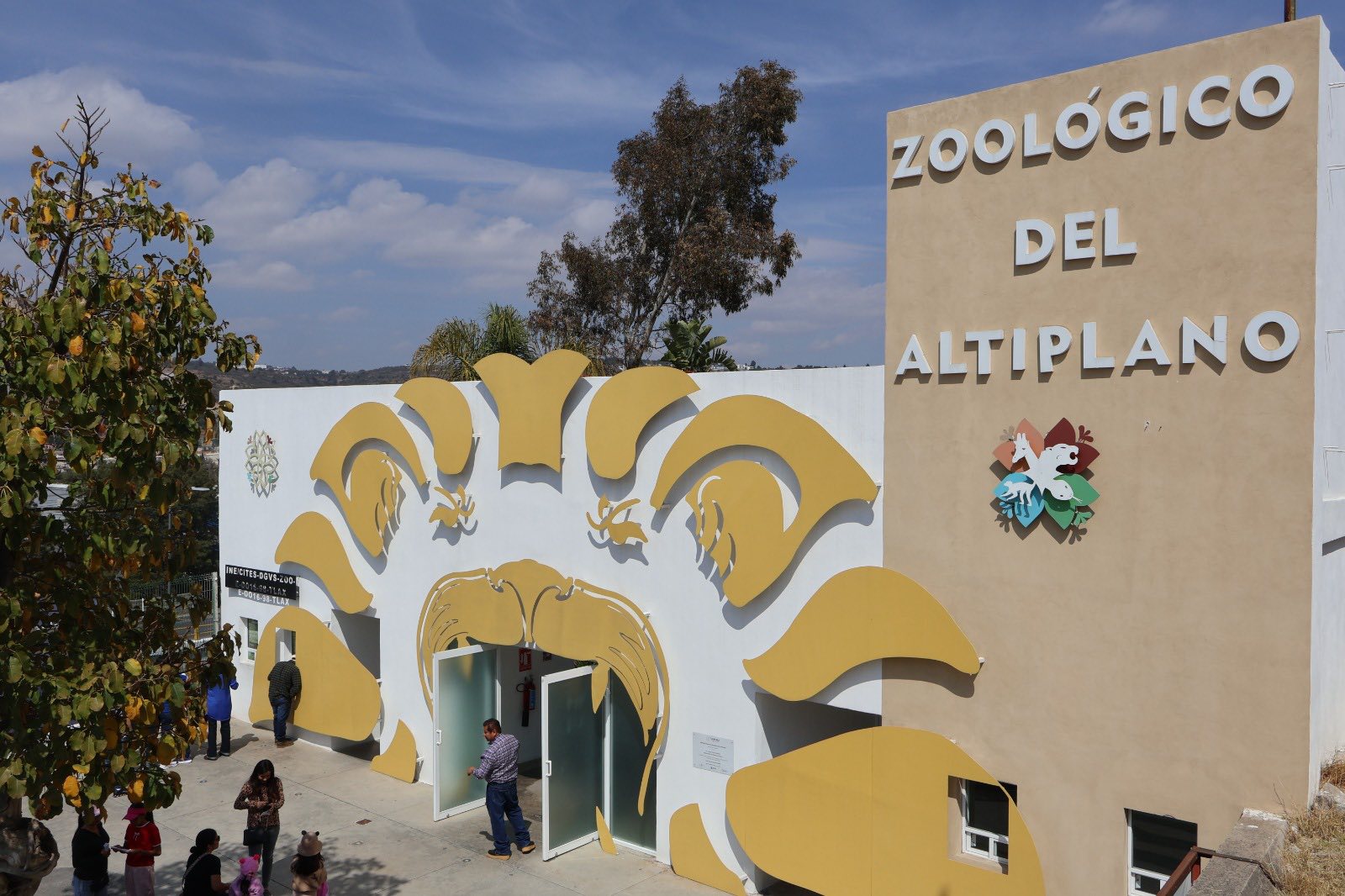
The strategy at Zoológico del Altiplano moves beyond the traditional provision of food and water. By implementing specialized dietary balancing, the facility addresses the pathogenesis of nutritional deficiencies. This involves the use of formulated feeds that mimic the precise caloric and mineral density of an animal’s natural habitat, thereby reducing the incidence of obesity-related endocrine disruption and hepatic lipidosis—conditions that frequently plague animals in less specialized enclosures.
“The transition from basic care to clinical nutrition in wildlife management is not a luxury; it is a medical necessity. Without precise nutrient ratios, we are merely delaying the onset of chronic organ failure in rescued species.” — Dr. Elena Rossi, PhD in Comparative Veterinary Nutrition.
To manage these complex cases, facilities must rely on a multidisciplinary approach. For organizations seeking to standardize their animal health protocols, consulting with board-certified veterinary nutritionists is essential to ensure that dietary interventions do not inadvertently trigger metabolic acidosis or other acute clinical crises.
Preventive Medicine and the One Health Framework
The transformation of the Zoológico del Altiplano is fundamentally a move toward preventive medicine. By focusing on “professionalization technique” and “preventive medicine,” the institution is aligning itself with the One Health approach—a collaborative, multisectoral effort that recognizes the interconnection between people, animals, and their shared environment. This is critical because malnourished and stressed wildlife are more susceptible to zoonotic pathogens, which can then jump to human handlers or local populations.
The clinical objective is to stabilize the animal’s microbiome and immune function through targeted nutrition, which serves as the first line of defense against opportunistic infections. When the intestinal barrier is compromised due to malnutrition, the risk of systemic sepsis increases. By utilizing specialized diets, IFAST aims to restore the mucosal integrity of the gastrointestinal tract, thereby reducing the need for high-dose antibiotic interventions that can further disrupt the animal’s internal ecology.
This level of technical oversight requires strict adherence to international standards. For state-run facilities, navigating the regulatory requirements of wildlife conservation often necessitates the guidance of environmental compliance attorneys to ensure that rescue and rehabilitation protocols meet both national and international legal mandates.
Addressing the Legacy of Illegal Trafficking
The animals arriving at the Altiplano facility often carry a “clinical history” of trauma. Illegal trafficking involves prolonged periods of confinement in suboptimal conditions, leading to chronic cortisol elevation. This prolonged stress response suppresses the lymphatic system, making the animals hyper-susceptible to respiratory and parasitic infections. The “redesign of the pedagogical space” mentioned by Moreno Pérez is not merely an aesthetic choice; it is an environmental enrichment strategy designed to lower cortisol levels and promote natural behaviors, which in turn improves the efficiency of nutrient absorption.
Funding for these initiatives is provided by the state government of Tlaxcala, reflecting a public investment in biodiversity as a public health asset. By establishing these standards, the facility acts as a clinical benchmark for other state-administered recintos in Mexico, proving that specialized nutrition can significantly lower the morbidity rates of rescued fauna.
“Wildlife nutrition is the foundation of all other medical interventions. You cannot treat a systemic infection or a surgical wound if the animal is in a state of protein-energy malnutrition.” — Dr. Marcus Thorne, Epidemiologist specializing in Zoonotic Diseases.
For researchers and clinicians looking for deeper data on the efficacy of formulated diets in captive wildlife, the PubMed database provides extensive longitudinal studies on the impact of micronutrient supplementation on the longevity of endangered species. These studies consistently show that animals on scientifically balanced diets exhibit higher reproductive success and lower rates of chronic inflammatory diseases.
The Future of Clinical Wildlife Management
The shift toward a professionalized, nutrition-centric model at the Zoológico del Altiplano signals a broader evolution in how we approach wildlife rescue. We are moving away from the “shelter” mentality and toward a “clinical” mentality. The integration of international cooperation and technical professionalization ensures that the care provided is based on the latest peer-reviewed veterinary science rather than anecdotal husbandry practices.

As we refine these protocols, the goal is to create a seamless pipeline from rescue to rehabilitation and, where possible, reintroduction. This requires a rigorous diagnostic approach, including regular blood chemistry panels and fecal analysis to monitor the efficacy of the nutritional interventions. For facilities expanding their diagnostic capabilities, partnering with accredited veterinary diagnostic centers is the only way to ensure that dietary adjustments are based on real-time biological data rather than guesswork.
the success of the IFAST strategy lies in its recognition that nutrition is medicine. By treating the diet as a clinical intervention, the Zoológico del Altiplano is not only saving individual animals but is contributing to the genetic viability of species threatened by the illegal trade. The trajectory of this research suggests that as we further decode the specific nutritional requirements of diverse taxa, the survival rates for rescued wildlife will continue to climb, provided that the commitment to scientific rigor remains the primary driver of care.
Disclaimer: The information provided in this article is for educational and scientific communication purposes only and does not constitute medical advice. Always consult with a qualified healthcare provider regarding any medical condition, diagnosis, or treatment plan.