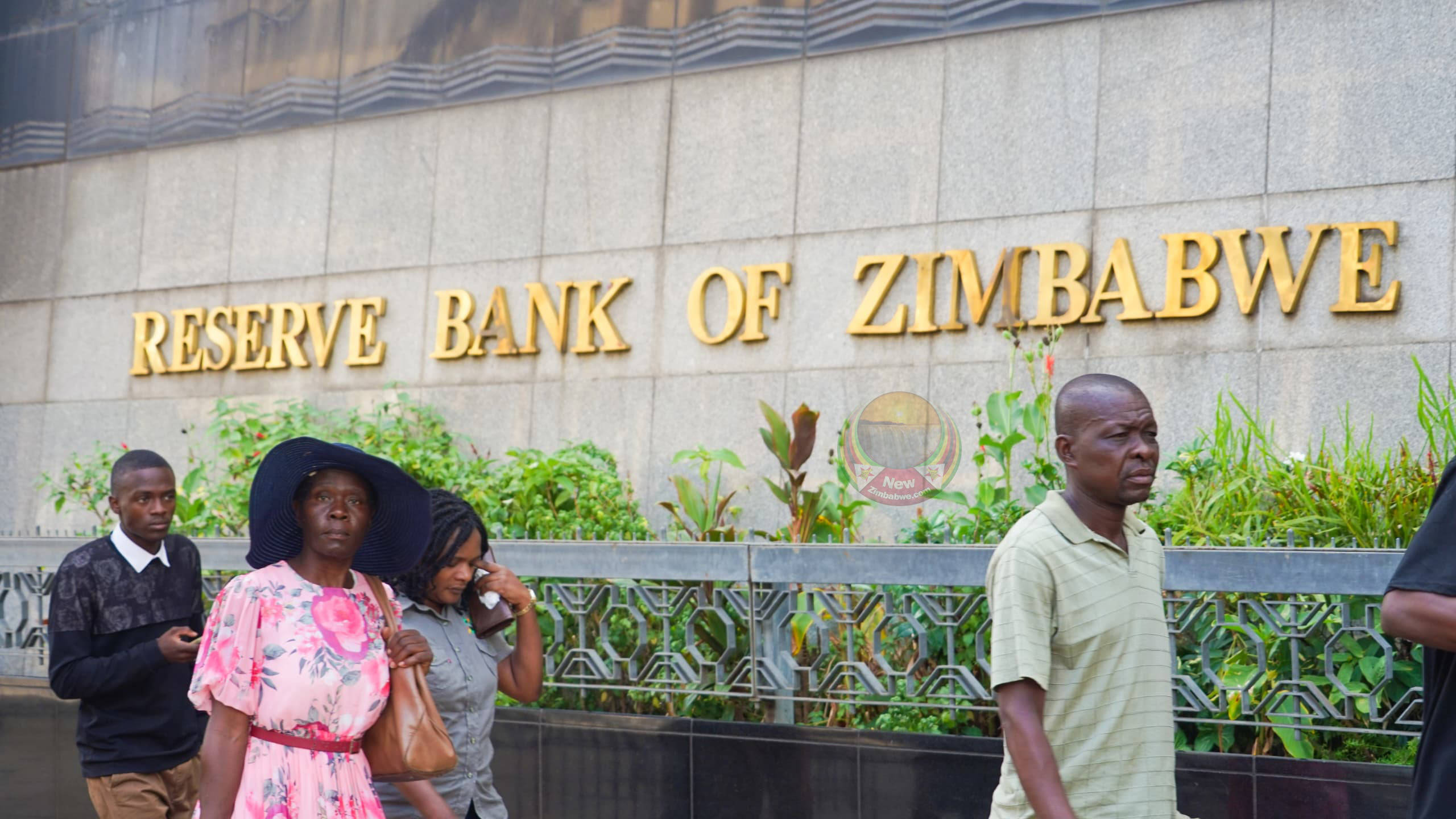
Zimbabwe’s Economic Outlook: Recovery and Investment Potential
Zimbabwe’s economic outlook remains polarized as the government attempts to stabilize the ZiG currency while private sector leaders report persistent barriers to long-term capital investment. According to recent reports from NewZimbabwe.com and NewsDay, the administration’s efforts to curb inflation through the introduction of the Zimbabwe Gold (ZiG) currency face ongoing skepticism from market participants who cite a lack of policy consistency and high operational costs.
The currency stabilization effort

The government’s primary strategy for economic recovery centers on the ZiG, which was introduced to replace the rapidly devaluing Zimbabwe dollar. Official government rhetoric maintains that the currency provides a more stable foundation for trade and fiscal planning. However, the practical application of this policy has drawn criticism from local business analysts.
According to data cited by NewZimbabwe.com, while some officials point to a temporary slowing of month-on-month inflation as evidence of a “turning corner,” many retailers and manufacturers continue to struggle with the dual-pricing system and limited access to foreign exchange. The disconnect between official inflation figures and the purchasing power experienced by citizens remains a focal point of public discourse.
Barriers to investment
Beyond the currency, the investment climate is hampered by what observers call a “confidence gap.” Reporting by NewsDay highlights that international and domestic investors remain cautious, largely due to concerns over property rights, the unpredictable regulatory environment, and the high cost of doing business.
Industry representatives noted that foreign direct investment (FDI) remains significantly lower than required to jumpstart the manufacturing sector. The lack of clear, long-term policy protections for capital often results in capital flight or the preference for short-term, high-yield ventures over sustainable industrial development. While the government has signaled intentions to improve the “Ease of Doing Business” index, private stakeholders argue that these initiatives have yet to translate into concrete improvements on the ground.
Contrasting economic perspectives
There is a notable divergence in how different segments of the economy view the current trajectory. Government spokespersons emphasize that macroeconomic indicators are trending toward stability, citing the transition to the ZiG as a necessary fiscal correction.
In contrast, reports from NewsDay suggest that the private sector continues to prioritize the removal of structural bottlenecks—such as erratic power supplies and complex tax regimes—over currency redenomination. While the government views the ZiG as the engine for growth, the business community indicates that without broader structural reforms, the currency’s impact will remain limited.
The International Monetary Fund (IMF) and other multilateral lenders have yet to issue a formal assessment on the long-term viability of the current monetary policy, leaving the government to navigate the upcoming fiscal quarter without a confirmed external financial backstop.
Worth a look
- Mobiliar to Invest 200 Million Francs in Affordable Housing
- Marineland Relocates Final Dolphins and Whales to Spain as Moved Beluga Dies in US
- What 'Economic D-Day' Sanctions on Iran Actually Target (daybreakwire.com)
- Bitcoin Price Surge: Why You Should Be Cautious of the 2026 US Outlook (newsdirectory3.com)