Zimbabwe Lake Kariba Ferry Disaster Death Toll Rises to 93
The death toll from an overloaded ferry capsizing on Zimbabwe’s Lake Kariba has risen to 93, making it the country’s deadliest transport disaster. According to the state-run Herald newspaper and police statements, search and recovery teams continue scouring the water for missing passengers a week after strong waves overturned the vessel.
The tragedy unfolded when an aging passenger ferry, authorized to carry 90 people, was carrying an estimated 153 to 168 passengers alongside heavy loads of cargo. Hitting severe weather conditions on Lake Kariba, the vessel capsized, throwing families, traders, and school children into the water. President Emmerson Mnangagwa subsequently declared a state of disaster, mobilizing emergency resources and diving teams to the area.
Recovery Operations and Identification Challenges Along the Lake
Search and recovery efforts led by police divers entered a critical phase as bodies continued to drift further from the initial sinking site. According to reports from the Herald, some victims drifted toward the Zambian side of the reservoir. Lake Kariba straddles the border between Zimbabwe and Zambia, functioning as one of the world’s largest man-made reservoirs and a primary transit artery for isolated rural communities.
Provincial Affairs Minister Marian Chombo stated that 67 people were successfully rescued following the sinking, while police confirmed that 83 victims had been identified. Among those identified, 39 were children. Authorities face mounting hurdles in processing the remaining dead. “We are running out of time and DNA may now be needed to assist in the identification process,” Minister Chombo told the Herald, noting that relatives have had to rely on personal clothing items to recognize loved ones.
Survivor Accounts Highlight Cargo Overloading and Safety Failures
One survivor, identified as trader Itayi Marumisa from Mola village, told the AFP news agency that the ferry was heavily laden with goods when passengers first raised concerns about deteriorating weather conditions.

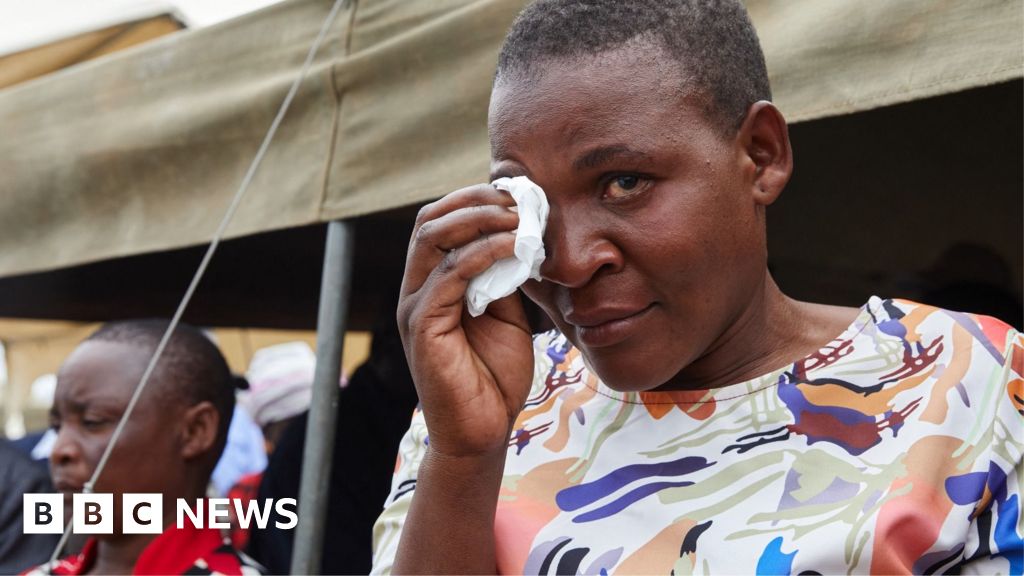
“The life jackets were buried under the luggage, and not more than 30 people managed to get them,” Marumisa said, adding that children screamed while passengers suffered from the rough conditions without intervention from the captain. Local councillor Tight Bhusumani, who lost a child in the accident, described the emotional toll on the Mola community to the Herald, noting that some surviving children lost both parents and siblings, leaving them isolated.
Pope Leo XIV also offered condolences to the victims of the ferry accident.
Infrastructure Gaps in Remote Regions
The disaster highlights the perilous reliance on aging watercraft in regions where surface road infrastructure remains severely damaged or entirely absent. Traveling from the town of Kariba toward northwest fishing and rural settlements, the ferry served as an essential, low-cost lifeline for residents. With land transit unviable across large stretches of the rugged terrain, rural populations rely heavily on marine transport despite recurring safety vulnerabilities.
