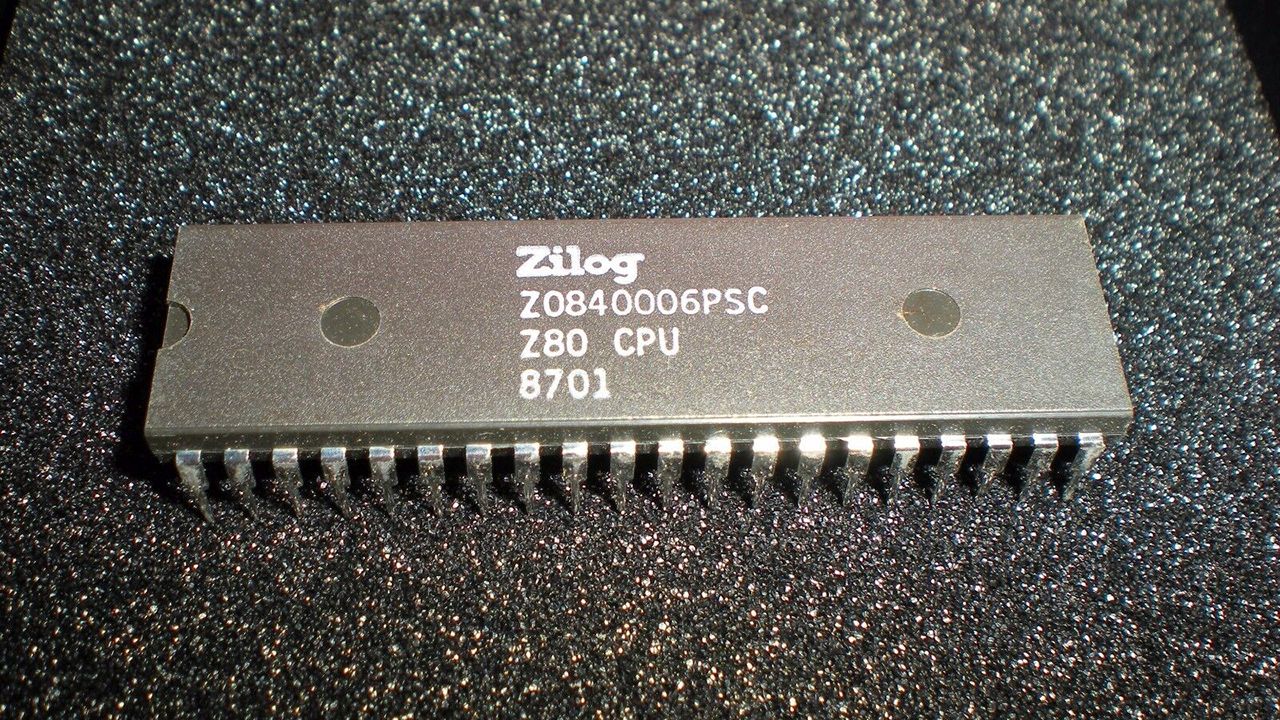
Zilog Z80: The Chip That Shaped Computing Turns 50 – Is It About to Make a Comeback?
The Zilog Z80 microprocessor, an 8-bit architecture that served as the engine for personal computing icons like the Sinclair ZX Spectrum and the Osborne 1, has reached its 50th anniversary. Originally released in July 1976, the chip remains in limited production, with new efforts underway to ensure its availability for legacy systems and modern hobbyist projects through continued manufacturing support.
Technical Legacy of the Z80
Designed by Federico Faggin and a team of former Intel engineers, the Zilog Z80 was developed to be compatible with the Intel 8080 while offering improved performance and simplified support circuitry. According to historical technical specifications, the Z80 integrated the clock generator and refresh logic for dynamic RAM directly into the chip, significantly reducing the cost of building a complete computer. This design choice allowed manufacturers to produce more affordable hardware, which facilitated the growth of the home computer market in the late 1970s and 1980s.
The processor’s architecture featured 176 instructions and a flexible register set, which developers exploited to create early video games and professional software. Its influence spanned beyond standard desktop machines, finding widespread use in arcade cabinets, embedded industrial controllers, and medical devices.
Modern Production and Availability
While the original Zilog company has undergone several ownership changes—including acquisition by IXYS Corporation in 2009 and later by Littelfuse in 2018—the Z80 architecture has not been retired. Hardware Upgrade reports that the chip is currently experiencing a form of resurgence, driven by a combination of industrial demand for replacements in legacy machinery and a thriving retro-computing community.
Manufacturing continues to serve specific niches where the Z80’s low power consumption and deterministic timing are required. Littelfuse, the current parent company, maintains the Z80 in its product catalog, ensuring that the silicon remains available for engineers who need to maintain systems that have been operational for decades.
Future Outlook for the Architecture
The longevity of the Z80 is attributed to its simplicity and the extensive software library written for the CP/M operating system and various proprietary platforms. Because the instruction set is well-documented and widely understood, modern developers continue to use it for educational purposes, teaching computer architecture fundamentals through physical hardware.
The industry is currently monitoring the status of the Z80 production lines as Littelfuse manages its semiconductor portfolio. While no official phase-out date has been announced for the remaining Z80-branded parts, the company continues to fulfill orders for the global market, maintaining the chip’s status as one of the longest-running active microprocessor designs in computing history.