ZF Friedrichshafen Faces Restructuring Amid Debt and EV Strategy Struggles
ZF Friedrichshafen AG, the German automotive supplier, is pivoting its capital allocation strategy to prioritize legacy transmission technology as a hedge against liquidity constraints. This shift, formalized in recent internal restructuring directives, reflects the financial strain of aggressive, front-loaded investments in electric vehicle (EV) components amid a cooling global market for battery-electric vehicles.
The Liquidity Squeeze: Why Legacy Assets Are the New Hedge
ZF is grappling with a precarious debt profile as the transition to electromobility encounters significant headwinds. According to the company’s annual financial disclosures, the group’s capital expenditure requirements have surged, yet the anticipated margins from high-voltage electrification portfolios have been delayed by supply chain bottlenecks and softening consumer demand in key European and North American markets.

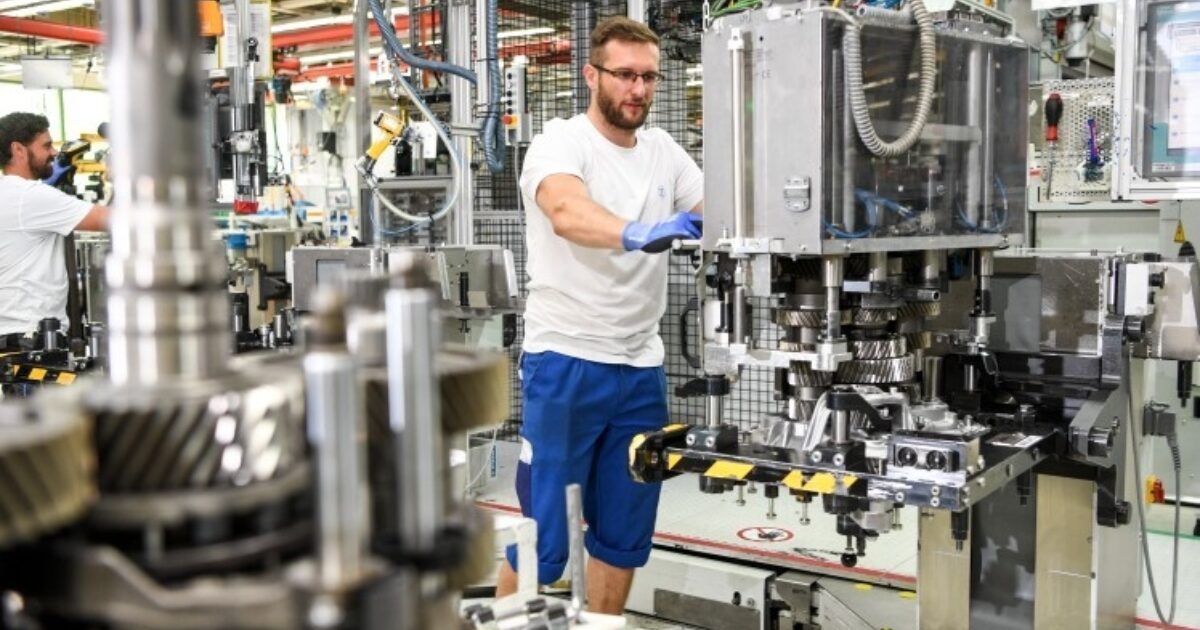
The firm is now leaning on its traditional transmission business—a segment previously viewed as a sunset industry—to generate the free cash flow necessary to service existing debt obligations. By optimizing the production of advanced automatic transmissions for hybrid platforms, management is attempting to stabilize EBITDA margins that have been compressed by the high cost of R&D for next-generation e-drives.
For industrial firms facing similar capital intensity challenges, the necessity of professional intervention is growing. Many organizations are currently engaging specialized corporate restructuring consultancies to re-evaluate their asset portfolios and identify which legacy business units can be leveraged for short-term liquidity.
Capital Allocation and the Cost of Debt
The European Central Bank’s monetary policy stance remains a critical factor in ZF’s strategic calculus. With interest rates remaining elevated compared to the previous decade, the cost of servicing the firm’s significant debt load has risen, forcing a departure from the “growth-at-all-costs” mentality that characterized the sector from 2020 to 2023.
Market analysts note that the valuation multiples for pure-play EV suppliers have contracted, limiting the company’s ability to raise equity at favorable rates. Consequently, ZF is prioritizing operational efficiency and debt reduction over rapid expansion. This tightening of the fiscal belt is a recurring theme among Tier-1 suppliers, as noted in recent industry reports on the sector’s struggle to balance innovation costs with fiscal prudence.
The complexity of these financial maneuvers often requires external oversight. Firms in this position frequently utilize top-tier debt advisory services to negotiate terms with creditors and optimize their balance sheets before credit ratings are impacted.
Boardroom Realignment and Strategic Focus
Internal shifts at ZF indicate a move toward a more conservative, cash-focused management style. Executive leadership has signaled that while the long-term commitment to electrification remains, the immediate priority is the preservation of core, high-margin revenue streams.

“We must ensure that our current portfolio provides the necessary runway to sustain our future-facing technology investments without jeopardizing our creditworthiness,” noted a spokesperson reflecting on the firm’s Q2 fiscal strategy.
This sentiment underscores a broader trend in the automotive supply chain: the “bridge” technology (hybrids and sophisticated combustion-related components) is now the primary engine of corporate sustainability. Companies failing to secure their cash flows through these mature assets are finding themselves increasingly vulnerable to volatility in the credit markets.
The Path Forward: Navigating Volatility
As the automotive sector enters the second half of 2026, the divergence between companies that successfully transitioned their capital strategies and those that remained over-leveraged in pure-EV bets will likely widen. ZF’s reliance on its transmission business serves as a benchmark for how established manufacturers are recalibrating their risk exposure.

The ability to manage this transition is not merely an internal HR or engineering challenge; it is a fundamental fiscal requirement. For firms looking to mitigate similar risks in the coming quarters, identifying the right strategic partners is essential. Organizations looking to stabilize their own operations should consult the World Today News Directory to connect with vetted B2B partners capable of providing the legal and financial frameworks needed to navigate this uncertain economic cycle.
Related reading