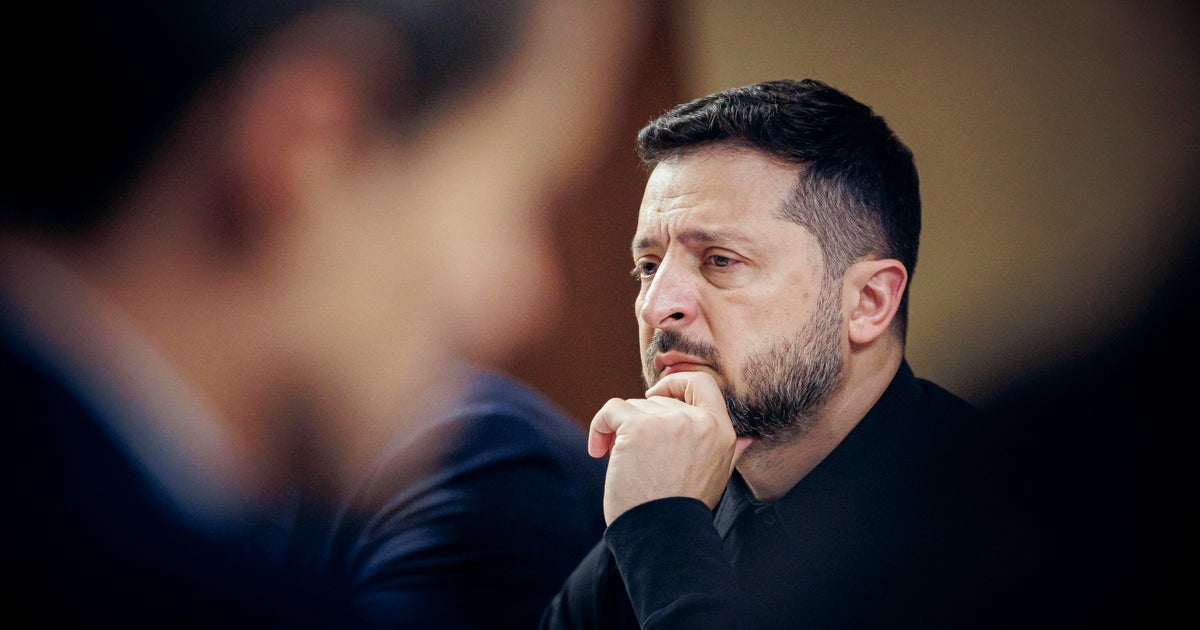
Zelenskyy Rejects Wartime Elections, Warning They Would Split Ukraine
Ukrainian President Volodymyr Zelenskyy stated on August 23, 2026, that holding national elections during the ongoing full-scale Russian invasion poses a catastrophic risk of fracturing the country. According to remarks released from a press briefing held on August 22, 2026, the 48-year-old leader warned that a vote under martial law would act as a political tsunami, directly responding to a recent unexpected call for elections by his recently fired defense minister.
The rejection follows weeks of sharp internal political friction. Thousands of citizens recently took to the streets following the ouster of Defense Minister Mykhailo Fedorov. In the wake of his dismissal, Fedorov publicly advocated for organizing a national vote, though he failed to present a concrete logistical roadmap. This surprise demand alienated even some of his strongest backers, while triggering intense public debate over governance during wartime.
The Structural and Logistical Hurdles of Wartime Voting
Elections remain officially suspended across Ukraine under martial law, a measure that continues to enjoy broad public support as the population focuses on repelling Russian forces. According to a recent poll conducted by the Kyiv Institute of Sociology, only 15% of Ukrainians believe that national ballots should take place before hostilities officially conclude. Organizing a democratic exercise amid active frontlines presents obstacles.
Logistical hurdles compound the political risk. Experts cite obstacles including how to collect votes from active-duty soldiers, millions of displaced refugees, and residents living under occupation. Furthermore, there are disinformation threats from Russia designed to delegitimize any electoral outcome.
Political Fallout and Institutional Friction
Zelenskyy did not mince words regarding his former cabinet member during the briefing with journalists. The president suggested that Fedorov was either acting on his own accord or being pushed toward wrong things. Fedorov commands significant loyalty among younger demographics, leading to speculation regarding his political ambitions, though independent polling indicates Zelenskyy retains superior popularity as a prospective presidential candidate.

At the same time, the ouster of the defense minister exposed deeper friction between civilian leadership and military command. Fedorov had previously clashed with the traditionalist approach of military leadership, including Commander-in-Chief Oleksandr Syrsky. Addressing the public demonstrations, Zelenskyy defended the right to protest but cautioned against showing disrespect to service members actively defending the nation. “Since when has marketing started to outweigh the people who are giving their lives?” Zelenskyy asked during the briefing, positioning himself as a stabilizing force against internal division.
Broader Security Landscape and International Support
Beyond domestic political maneuvering, Kyiv faces escalating external pressures on the battlefield. Zelenskyy revealed intelligence assessments indicating that Moscow is actively preparing to mobilize an additional 300,000 troops following parliamentary elections scheduled in Russia for September. He added that Moscow might draft hundreds of thousands more in 2027 as the Kremlin attempts to seize the remaining portions of Ukraine’s eastern Donetsk region.

To counter intensifying aerial bombardment, international partnerships continue to solidify. German Foreign Minister Johann Wadephul visited Ukraine, confirming an agreement for Berlin to supply 600 Patriot PAC-2 missile interceptors throughout 2027 and 2028. These systems provide critical defense against ballistic missiles like the Iskander-M and Kinzhal. Additional backing arrived from France, which pledged new interceptor missiles, alongside a substantial financial package from Norway projected to reach 85 billion Norwegian crowns ($9.2 billion) for the 2027 fiscal year.
As the nation balances acute military defense with complex internal governance, civil society organizations and municipal bodies must manage heightened operational risks.
The path forward remains fraught with existential peril, leaving Ukrainian leadership focused entirely on national survival rather than political campaigns.