
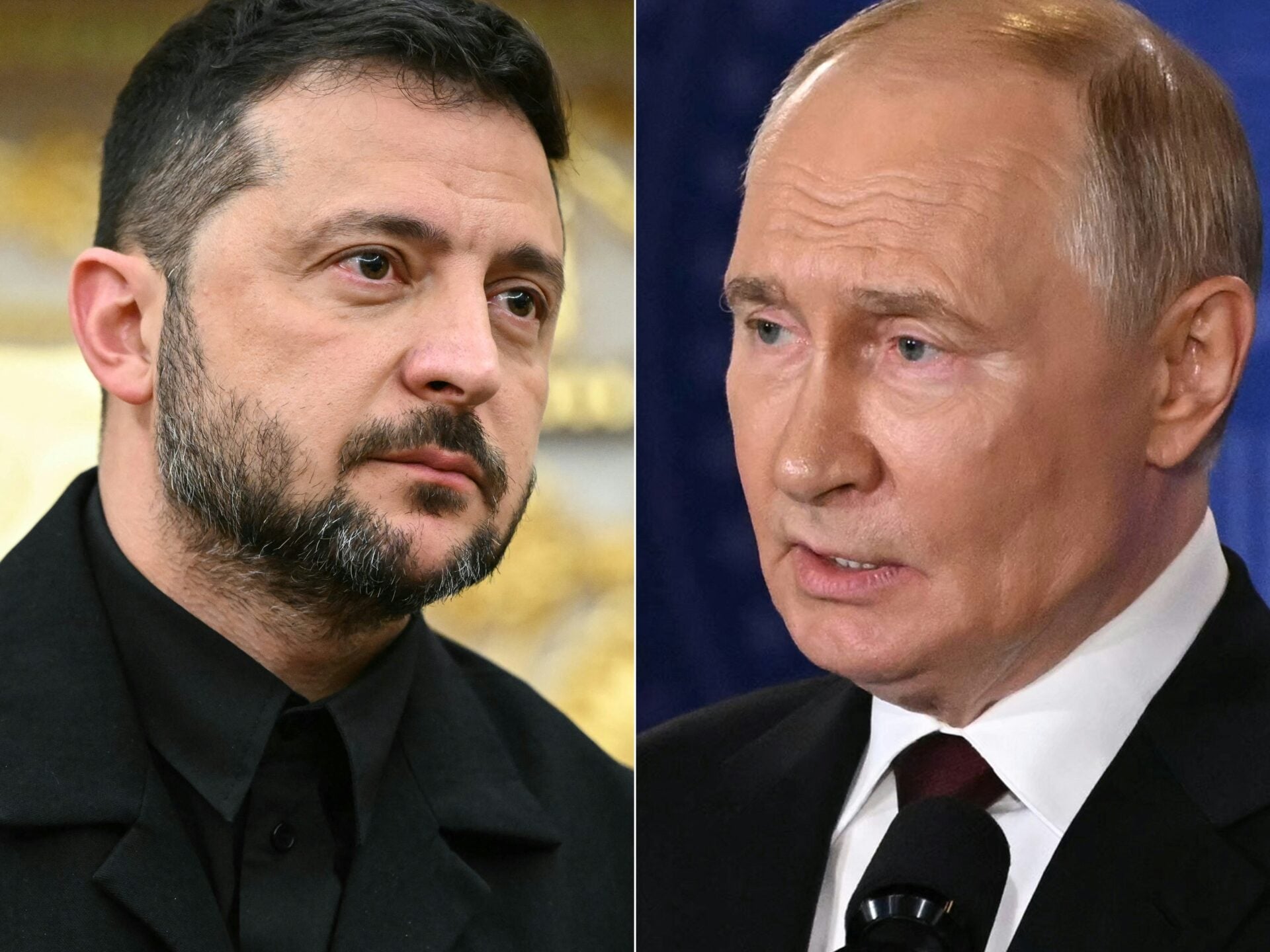
Zelensky’s Peace Talks with Putin: Can Diplomacy End Ukraine War?
As of June 4, 2026, Ukrainian President Volodymyr Zelenskyy has signaled a renewed openness to direct negotiations with Russian leadership to conclude the ongoing war. By leveraging intensified strikes deep within Russian territory, Kyiv aims to shift the strategic balance, seeking a diplomatic resolution from a position of renewed parity.
The conflict, now in its third year of high-intensity operations, continues to reshape the global geopolitical architecture. For multinational firms and investors, the “new normal” is defined by volatility in commodity markets, fractured supply chains, and the persistent threat of secondary sanctions. The prospect of direct engagement between Kyiv and Moscow—while fraught with diplomatic peril—represents a potential pivot point for global risk management.
The Calculus of Escalation and Diplomacy
Zelenskyy’s strategic pivot toward direct dialogue is not merely a diplomatic gesture; it is a response to the grinding attrition of the front lines. By extending the reach of Ukrainian military operations into Russian territory, Kyiv is attempting to alter the cost-benefit analysis for the Kremlin. This is a classic Clausewitzian application of force intended to facilitate a political outcome.
However, the transition from kinetic warfare to a negotiating table remains obstructed by deep-seated distrust and incompatible territorial demands. For the international community, this creates a state of “protracted uncertainty.” Global organizations are increasingly turning to specialized geopolitical risk consultants to map out scenario-based outcomes for when, or if, these negotiations yield a ceasefire.
The challenge for any prospective peace process is the total erosion of the ‘security architecture’ that governed Europe for decades. Negotiating under fire is not just difficult; it is structurally unstable. Any agreement reached today would require unprecedented third-party verification mechanisms that currently do not exist in a functional capacity.
Macro-Economic Ripple Effects: Beyond the Battlefield
The economic fallout of the war remains the primary driver of global inflationary pressure, particularly regarding energy and food security. As the conflict potentially enters a new phase of diplomatic maneuvering, the uncertainty regarding the Black Sea trade corridors and regional energy infrastructure remains a critical vulnerability.

Multinational corporations operating in the EMEA (Europe, Middle East, and Africa) region are finding that standard contingency plans are insufficient. The disruption of established trade routes has forced a structural shift in how firms approach logistics. Companies are now seeking partners who specialize in supply chain resilience and alternative sourcing to mitigate the risks associated with sudden geopolitical shocks.
| Impact Area | Strategic Focus | Corporate Requirement |
|---|---|---|
| Energy Security | Diversification of supply | Hedging and infrastructure audit |
| Trade Compliance | Sanctions monitoring | Advanced legal documentation |
| Digital Infrastructure | State-sponsored cyber defense | Hardened network architecture |
The Legal and Compliance Minefield
For global firms, the legal complexities of the Ukraine-Russia conflict are monumental. Navigating the web of international sanctions requires more than just internal compliance teams. The landscape is shifting so rapidly that reliance on outdated legal frameworks is a liability. Corporations are increasingly engaging international trade law specialists to ensure that their cross-border operations remain compliant with the ever-evolving restrictions imposed by the EU, the US, and their allies.
the potential for a negotiated settlement introduces a new set of risks: the “reconstruction phase.” If a ceasefire is signed, the scramble for infrastructure contracts and resource rights will be intense. Firms that have not established their legal and operational footprints in advance will find themselves sidelined by more agile, risk-aware competitors.
The Role of Global Alliances
The relationship between Ukraine and international bodies such as NATO continues to act as a stabilizing—yet provocative—element in the conflict. The ongoing dialogue between Kyiv and NATO leadership underscores the reality that this is not a localized border dispute, but a systemic challenge to the post-Cold War order. As noted by the World Bank, the cost of reconstruction and the long-term impact on global growth prospects are inextricably linked to the duration and intensity of the hostilities.

The diplomatic dance between Zelenskyy and Putin is being watched closely by the global policy community. Every statement from Kyiv or Moscow is now parsed not just for its military implications, but for its impact on global market sentiment. The markets have largely priced in a “long war,” meaning that any genuine breakthrough in negotiations would trigger a significant, albeit volatile, shift in capital allocation.
The Kicker: Navigating the New Geopolitical Reality
As we move through the remainder of 2026, the potential for a direct meeting between the leaders of Ukraine and Russia serves as a reminder that geopolitics is rarely a linear process. It is a cycle of crisis, negotiation, and re-evaluation. For the C-suite and the boardrooms of the world, the lesson is clear: static strategies are death sentences in an age of fluid borders and shifting alliances.
Whether this latest push for talks leads to a breakthrough or merely another stalemate, the requirement for deep, expert-led analysis has never been higher. Navigating this environment requires a sophisticated blend of legal clarity, financial hedging, and strategic foresight. To manage these immense challenges, organizations must look beyond their internal capabilities and tap into the expert networks available in our global corporate advisory directory. The chessboard is moving; ensure your firm is playing the game, not just reacting to it.