
Zeaxanthin: Boosting T Cells and Cancer Immunotherapy
The intersection of nutritional biochemistry and oncology is yielding a surprising candidate for immunotherapy optimization. A carotenoid traditionally associated with macular health, zeaxanthin, has demonstrated a capacity to modulate the immune system’s primary defense mechanism against malignancies, potentially transforming a common dietary nutrient into a potent therapeutic adjuvant.
Key Clinical Takeaways:
- Zeaxanthin enhances the stability and signaling of T-cell receptors (TCRs) in CD8+ effector T cells, improving their ability to detect and eliminate cancer cells.
- The nutrient acts as an immunomodulator that can increase the efficacy of existing immunotherapy treatments.
- While results in mouse models are promising, the research is now transitioning toward human clinical trials to verify safety and dosage efficacy.
The primary challenge in modern oncology remains the inconsistent response rates to immunotherapy. While checkpoint inhibitors and other advanced treatments have revolutionized care, a significant cohort of patients exhibits resistance, often due to the immune system’s inability to maintain sustained T-cell activity within the immunosuppressive tumor microenvironment. This clinical gap necessitates the discovery of safe, non-toxic compounds that can “supercharge” the body’s natural cytotoxic response without introducing systemic morbidity.
The Biological Mechanism: TCR Stability and Signaling
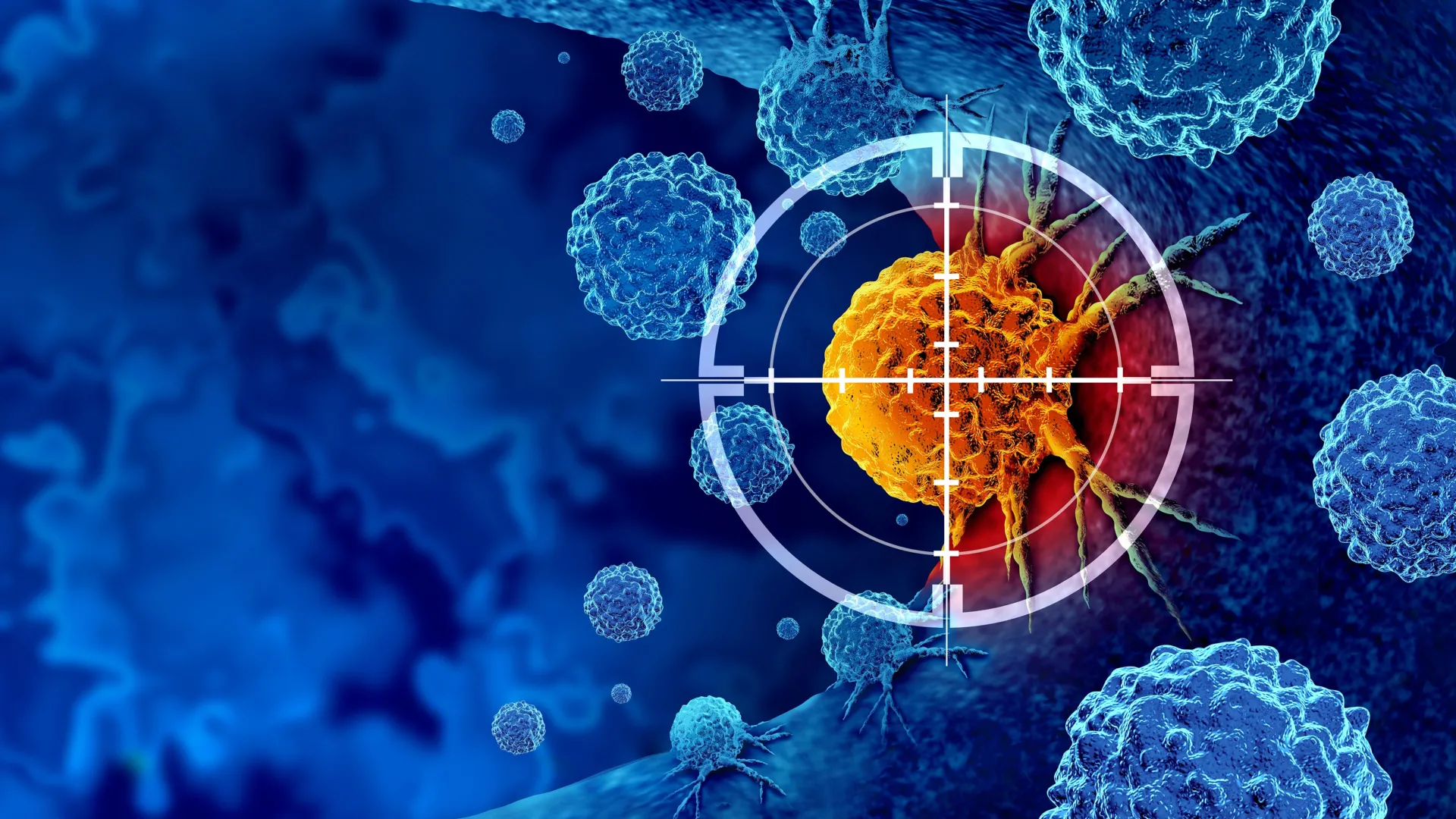
Research published in Cell Reports Medicine reveals that zeaxanthin—a plant-based compound abundant in kale, spinach and orange peppers—functions as more than a passive antioxidant. The study, supported by grants from the National government, identifies zeaxanthin as a critical enhancer of CD8+ effector T cell function. These cells, also known as cytotoxic T lymphocytes, are the primary executioners of the anti-tumor response, relying on T-cell receptors (TCRs) to identify cancer-associated antigens.
The pathogenesis of tumor evasion often involves the degradation of these TCR signaling pathways. The University of Chicago research team discovered that when CD8+ T cells are exposed to zeaxanthin, the TCR complexes form more efficiently. This structural stability triggers a cascade of stronger intracellular signaling and higher cytokine production, effectively lowering the threshold required for a T cell to recognize and destroy a malignant cell.
“We were surprised to find that zeaxanthin, already known for its role in eye health, has a completely novel function in boosting anti-tumor immunity,” stated Jing Chen, PhD, Janet Davison Rowley Distinguished Service Professor of Medicine and senior author of the study. “Our study show that a simple dietary nutrient could complement and strengthen advanced cancer treatments like immunotherapy.”
For patients currently navigating complex treatment regimens, the integration of such immunomodulators must be handled with precision. To ensure that dietary supplements do not interfere with the standard of care, patients should coordinate their nutritional intake with board-certified oncologists who specialize in integrative cancer care.
Comparative Analysis of T-Cell Efficacy
The impact of zeaxanthin on immune cell behavior is most evident when comparing standard cytotoxic responses to those enhanced by the carotenoid. The following data summarizes the observed cellular shifts identified during the study’s screening of blood nutrients.

| Clinical Metric | Standard CD8+ T Cell Response | Zeaxanthin-Enhanced Response |
|---|---|---|
| TCR Complex Formation | Baseline stability; prone to signaling decay | Potent enhancement of TCR stability |
| Intracellular Signaling | Moderate signal transduction | Strengthened signaling pathways |
| Cytokine Production | Standard physiological levels | Increased secretion of pro-inflammatory cytokines |
| Tumor Cell Lysis | Variable efficacy based on antigen load | Improved and more efficient tumor cell killing |
| Tumor Growth (Mouse Models) | Standard progression | Demonstrated slowing of tumor growth |
Clinical Implications and the Path to Human Trials
The accessibility of zeaxanthin makes it an attractive candidate for broad clinical application. Unlike synthetic immunomodulators that often carry severe side effects or high costs, this carotenoid is safe and widely available in both whole foods and supplements. This shifts the therapeutic conversation toward “nutritional immunotherapy,” where the goal is to optimize the biological terrain to develop pharmacological interventions more effective.
The transition from mouse models to human trials represents the next critical hurdle. Researchers must determine the precise dosage required to achieve the observed TCR stability in humans and whether dietary intake alone is sufficient or if concentrated supplementation is necessary. This phase of research will likely focus on patients who are non-responsive to first-line immunotherapies, seeking to determine if zeaxanthin can convert “cold” tumors (those that the immune system ignores) into “hot” tumors that are susceptible to attack.
Managing the transition to these emerging protocols requires a multidisciplinary approach. Because nutrition directly impacts drug metabolism and immune signaling, patients are encouraged to consult with clinical nutritionists to develop a diet that supports immunotherapy without inducing contraindications.
The Future of Dietary Immunomodulation
The discovery of zeaxanthin’s role in oncology suggests that other common nutrients may hold untapped potential for enhancing the immune system’s vigilance. This research moves the medical community closer to a personalized medicine model where a patient’s nutritional profile is optimized in tandem with their chemotherapy or immunotherapy schedule.
While the medical community awaits the results of human trials, the current evidence underscores a vital link between micronutrients and the molecular stability of the immune response. The potential to leverage a safe, plant-derived compound to improve the prognosis of cancer patients is a significant step forward in reducing the morbidity associated with aggressive cancer treatments. To explore the latest in integrative oncology and find vetted providers capable of managing these advanced protocols, the World Today News Directory offers a comprehensive database of specialized cancer treatment centers and diagnostic experts.
Disclaimer: The information provided in this article is for educational and scientific communication purposes only and does not constitute medical advice. Always consult with a qualified healthcare provider regarding any medical condition, diagnosis, or treatment plan.