
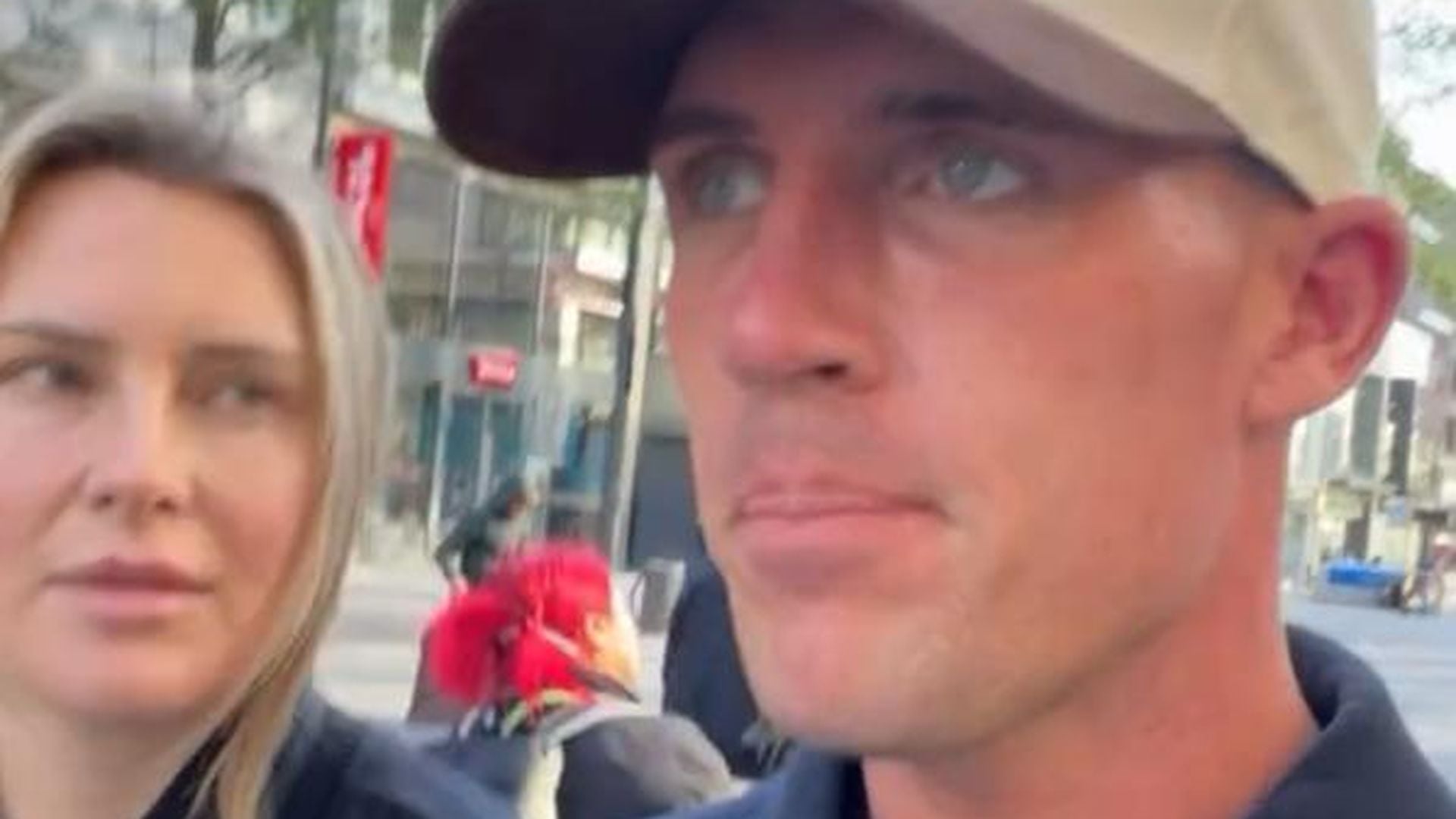
YouTuber Tobias Wolf Shares Concerning Update After Seeking Endocrinologist for Alopecia Areata
The sudden onset of alopecia areata in high-profile individuals often serves as a catalyst for broader clinical discussions regarding autoimmune dysfunction and endocrine health. YouTuber Tobias Wolf’s recent diagnostic journey highlights the critical importance of comprehensive screening when systemic symptoms emerge unexpectedly.
Key Clinical Takeaways:
- Tobias Wolf has been diagnosed with alopecia areata (circular hair loss), a condition characterized by sudden, localized hair loss.
- An endoscopic ultrasound revealed two thyroid nodules. while not currently requiring immediate intervention, they necessitate consistent clinical monitoring.
- Definitive treatment plans and travel capabilities remain contingent upon pending comprehensive blood panel results.
The intersection of dermatological distress and endocrine irregularity presents a complex diagnostic challenge. In the case of Tobias Wolf, the primary symptom—rapid, circular hair loss—prompted a referral to an endocrinologist to investigate potential systemic triggers. This approach is clinically sound, as autoimmune conditions often cluster, and the thyroid gland is a frequent focal point for systemic hormonal imbalances that can manifest through integumentary changes.
The Immunological Pathogenesis of Alopecia Areata
Alopecia areata is a chronic autoimmune condition where the body’s immune system mistakenly attacks the hair follicles. Based on clinical data from endocrinological resources, this condition affects approximately one million people in Germany. The pathogenesis is driven by immunological factors, specifically the involvement of T-lymphocytes. These white blood cells, normally responsible for defending the body against pathogens, infiltrate the hair follicle, causing inflammation and forcing the hair into a premature telogen (resting) phase, leading to sudden shedding.

The clinical presentation can vary significantly. While many experience localized circular patches, some may progress to alopecia universalis, the total loss of all body hair. The psychological morbidity associated with this condition is substantial, often resulting in severe emotional distress for both the patient and their immediate support system.
“Since almost two weeks, all his hair has been falling out and we are checking a lot of things right now! I’m sorry that I’m reporting so little, but I’m just struggling with the situation and I’m worried,” shared Maren Wolf regarding the emotional toll of the diagnosis.
Treatment remains challenging because the precise etiology is unknown. The standard of care typically involves anti-inflammatory therapies to suppress the self-destructive immune response. This may include the administration of cortisone-based hair lotions or systemic corticosteroids. In more resistant cases, clinicians may employ cryotherapy (liquid nitrogen) or PUVA therapy, which combines psoralens with ultraviolet A light to modulate the local immune environment. For those navigating these options, consulting specialized dermatologists is essential to determine the most effective therapeutic modality.
Endocrine Complications and Thyroid Nodular Growth
The diagnostic process for Tobias Wolf expanded beyond dermatology when an ultrasound of the thyroid gland identified two nodules. Thyroid nodules are common growths of thyroid tissue and can be benign or malignant. In this specific instance, the nodules were not large enough to warrant immediate surgical or biopsy intervention, yet they introduce a layer of clinical complexity that requires long-term surveillance.

The discovery of these nodules underscores the necessity of the “whole-patient” approach. Because the thyroid regulates metabolism and affects overall systemic health, any abnormality can potentially exacerbate or coincide with other autoimmune manifestations. The requirement for regular monitoring is a standard clinical protocol to ensure that any growth or change in the nodules’ characteristics is detected early.
Patients identifying similar endocrine irregularities should seek the guidance of board-certified endocrinologists to establish a baseline and a rigorous monitoring schedule. The employ of high-resolution imaging is paramount in these cases; patients are encouraged to utilize accredited diagnostic imaging centers to ensure the accuracy of ultrasound findings.
Clinical Triage and Diagnostic Next Steps
The current phase of Wolf’s medical journey focuses on the “information gap”—the period between initial imaging and the results of a comprehensive blood panel. This blood work is the critical diagnostic pivot that will determine whether the alopecia areata is an isolated autoimmune event or part of a broader endocrine or systemic disorder.
The clinical logic dictates that until the blood chemistry is analyzed, any aggressive treatment plan would be premature. The results will clarify whether the thyroid nodules are functioning (producing excess hormones) or non-functioning, and whether specific markers of inflammation or autoimmune activity are present. This data will ultimately dictate whether the patient can resume normal activities, such as planned international travel, or if they must enter an intensive treatment regimen.
The synergy between dermatology and endocrinology in this case exemplifies the necessity of multidisciplinary care. When a patient presents with sudden, unexplained hair loss, the clinical triage must move beyond the surface of the skin to investigate the underlying hormonal and immunological drivers. By integrating ultrasound imaging with systemic blood analysis, providers can transition from symptom management to targeted clinical intervention.
As medical science advances in the understanding of T-lymphocyte behavior and thyroid pathology, the prognosis for autoimmune conditions continues to evolve. The focus remains on early detection and the mitigation of psychological impact through transparent, evidence-based care. For those experiencing similar systemic symptoms, the most prudent course of action is to engage a coordinated team of specialists to ensure no underlying pathology is overlooked.
*Disclaimer: The information provided in this article is for educational and scientific communication purposes only and does not constitute medical advice. Always consult with a qualified healthcare provider regarding any medical condition, diagnosis, or treatment plan.*