
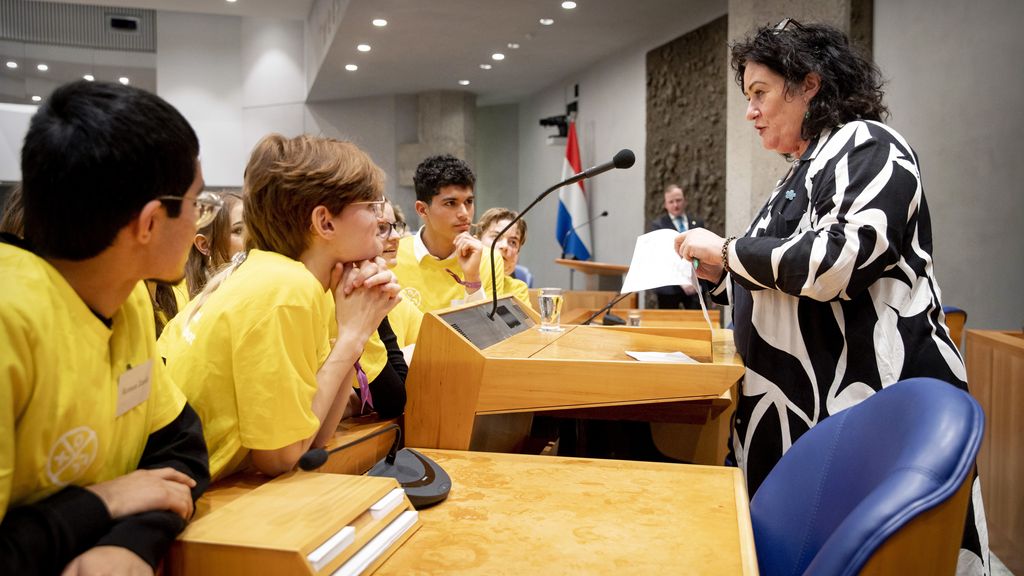
Youth Voice Report: Concerns Over Bullying, Housing, and Lack of Depiction Rise
AMSTERDAM – A new report reveals Dutch young people are increasingly focused on issues of bullying, affordable housing, and personal safety, while simultaneously expressing a persistent lack of faith in political systems to address their concerns. The findings, released today, highlight a critical disconnect between youth perspectives and established authority, prompting calls for increased engagement and a reevaluation of civic education.
The report indicates bullying remains a significant worry, with young people advocating for deeper understanding of its impact and attention to the root causes of perpetrator behaviour. “Maybe we should also look at where the behavior comes from, give them a different outlet,” stated a 17-year-old girl interviewed for the study. Concerns extend to broader safety issues, with a desire for knowledge and resilience-building tools. “That we ourselves no what they can do if we feel unsafe or so that we are more resilient,” one young person explained, adding that open discussion is key, “but not just with social studies.”
Housing affordability is another major point of contention, with young people proposing measures like maximum house prices and limits on the number of properties an individual can own. This concern aligns with findings from 2024, where affordable housing was a frequently cited issue alongside bullying. Poverty also ranked among the top three concerns for young people last year.
Researcher Van Alebeek notes that trust in politics remains “fairly stable, but very low,” registering at 4.5 on an unspecified scale. she emphasizes the powerful influence of immediate environments – notably family dynamics – on youth perceptions of democracy. “There is a good chance that if parents are very critical of politics and may not feel themselves so heard that children will consciously or unconsciously take over,” Van Alebeek explained. The way authority figures at home and school treat young people also shapes their broader societal views. “If you feel heard and respected thru authority at home or at school, then you will also go differently with authority within society later.”
The report underscores a sentiment of being unheard, with young people questioning the seriousness with which they are taken. “If teachers don’t take us seriously, why politics?” one participant asked. Van Alebeek advocates for active youth involvement in decision-making processes across all levels – political, educational, and familial.
The possibility of lowering the voting age from 18 to 16, a topic gaining traction in Belgium, is also being discussed in the netherlands. However, some argue that current levels of youth political engagement are insufficient to warrant expanded voting rights, citing the competing demands of adulthood.
