
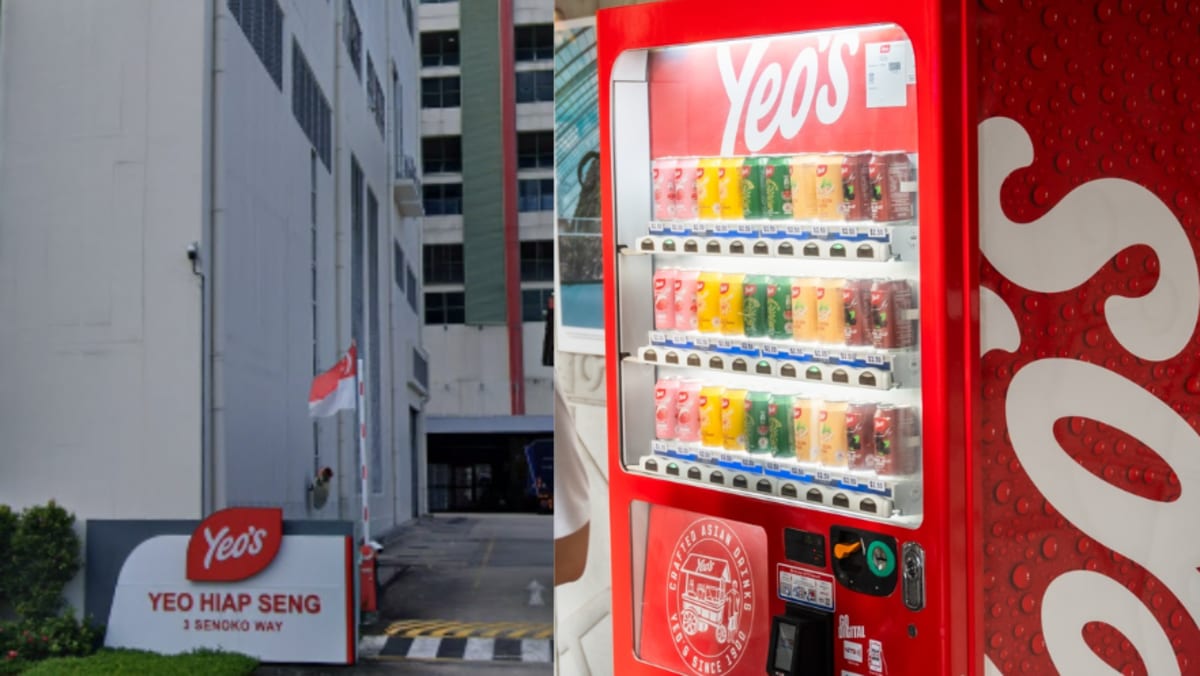
Yeo’s lays off 25 employees at Singapore’s Senoko facility
Yeo Hiap Seng (Yeo’s) is streamlining operations, eliminating 25 positions at its Senoko facility in Singapore and shifting can manufacturing to Malaysia. This move, announced March 31st, aims to optimize capacity at its Johor and Selangor plants despite recent profit gains, signaling a broader trend of cost optimization amid weakening consumer spending and heightened competition in key Southeast Asian markets.
The immediate impact isn’t simply headcount reduction. It’s a recalibration of regional supply chains, a response to margin pressures that are becoming endemic across the food and beverage sector. Yeo’s, although reporting a net profit increase to S$21.1 million for the fiscal year ending December 31, 2025 – a significant jump from S$6.9 million the prior year – simultaneously acknowledged declining group revenue and core food and beverage revenue. This divergence highlights a critical vulnerability: profitability driven by cost-cutting, not organic growth. Companies facing similar pressures are actively seeking ways to bolster operational resilience, and that often means engaging specialized supply chain consulting firms to identify vulnerabilities and implement mitigation strategies.
The Ripple Effect: Consolidation and Capacity Utilization
The decision to consolidate can manufacturing isn’t isolated. It’s part of a larger pattern observed across Southeast Asia, where companies are reassessing their manufacturing footprints in light of rising labor costs in Singapore and the availability of more competitive facilities in neighboring countries. Yeo’s explicitly stated the move will “optimise capacity utilisation and strengthen overall manufacturing efficiency.” What we have is corporate-speak for a hard truth: Singapore’s operating costs are increasingly prohibitive for certain types of manufacturing.
This isn’t the first round of layoffs for Yeo’s. In December 2024, another 25 employees were let go following Oatly’s closure of its Singapore plant, and in 2022, 32 positions were eliminated due to changing consumer patterns and cost pressures. This repeated restructuring raises questions about the long-term sustainability of Yeo’s current business model. The company is clearly responding to external pressures, but the frequency of these adjustments suggests a reactive, rather than proactive, strategy.
“We’re seeing a significant shift in manufacturing strategies across the region. Companies are prioritizing cost efficiency and supply chain resilience, even if it means relocating production. The key is to do it strategically, minimizing disruption and maximizing long-term value.”
— Dr. Arun Kumar, Managing Partner, Stellar Asia Pacific Investments
Financial Undercurrents and Market Sentiment
A deeper dive into Yeo’s financials reveals a more nuanced picture. While the net profit increase is encouraging, the decline in revenue is a red flag. According to the company’s FY2025 results, the revenue decline was attributed to “weaker consumer spending and intensified competition.” This suggests that Yeo’s is losing market share, or at least failing to capitalize on growth opportunities. The company’s EBITDA margin, while not publicly disclosed in the immediate press release, is a critical metric to watch. A shrinking margin alongside declining revenue indicates a serious problem with pricing power and operational efficiency. Investors are keenly aware of these dynamics, and the stock’s performance will likely reflect these concerns in the coming fiscal quarters.
The broader macroeconomic context also plays a role. Singapore’s economic growth has slowed in recent quarters, and consumer confidence remains fragile. The Monetary Authority of Singapore (MAS) has maintained a cautious stance on monetary policy, signaling concerns about the global economic outlook. This environment makes it even more challenging for companies like Yeo’s to achieve sustainable growth.
Navigating the Legal Landscape of Restructuring
Yeo’s commitment to working with the Food, Drinks and Allied Workers Union and adhering to the Ministry of Manpower’s Tripartite Advisory on Managing Excess Manpower and Responsible Retrenchment is crucial. These measures are designed to mitigate the social impact of the layoffs and ensure that affected employees receive fair compensation and support. However, navigating the legal complexities of retrenchment, especially in a cross-border context (offering roles in Malaysia), requires expert legal counsel. Companies undergoing similar restructuring events are increasingly relying on specialized corporate law firms to ensure compliance with local regulations and minimize legal risks.
The retrenchment benefits, “commensurate with each employee’s salary and years of service,” are a standard practice, but the specific details of the package will be subject to scrutiny by the Union and the Ministry of Manpower.
The Future of Food & Beverage Manufacturing in Southeast Asia
Yeo’s restructuring is a microcosm of the broader challenges facing the food and beverage industry in Southeast Asia. Rising costs, intensifying competition, and changing consumer preferences are forcing companies to adapt or risk falling behind. The trend towards regional consolidation is likely to continue, as companies seek to leverage economies of scale and optimize their supply chains.
This consolidation wave creates opportunities for both buyers and sellers. Companies with strong brands and efficient operations are well-positioned to acquire struggling competitors. However, it also creates risks, as integration challenges and cultural clashes can derail even the most promising deals.
- Supply Chain Resilience: Companies must diversify their sourcing and manufacturing locations to mitigate the risk of disruptions.
- Digital Transformation: Investing in automation and data analytics can improve efficiency and reduce costs.
- Brand Building: Strong brands are more resilient to economic downturns and competitive pressures.
The situation demands a proactive approach to risk management and a willingness to embrace innovation. Companies that can successfully navigate these challenges will be well-positioned to thrive in the evolving Southeast Asian market.
As Yeo’s navigates this period of transition, the market will be watching closely to see how it addresses the underlying challenges and positions itself for future growth. The company’s ability to execute its strategy will be a key determinant of its long-term success. For businesses facing similar operational shifts, the World Today News Directory offers a curated selection of vetted B2B partners – from legal experts to supply chain strategists – to support navigate these complex transformations and secure a competitive advantage.