Yemen: Journalists Targeted by Killings and Arbitrary Detentions
<>
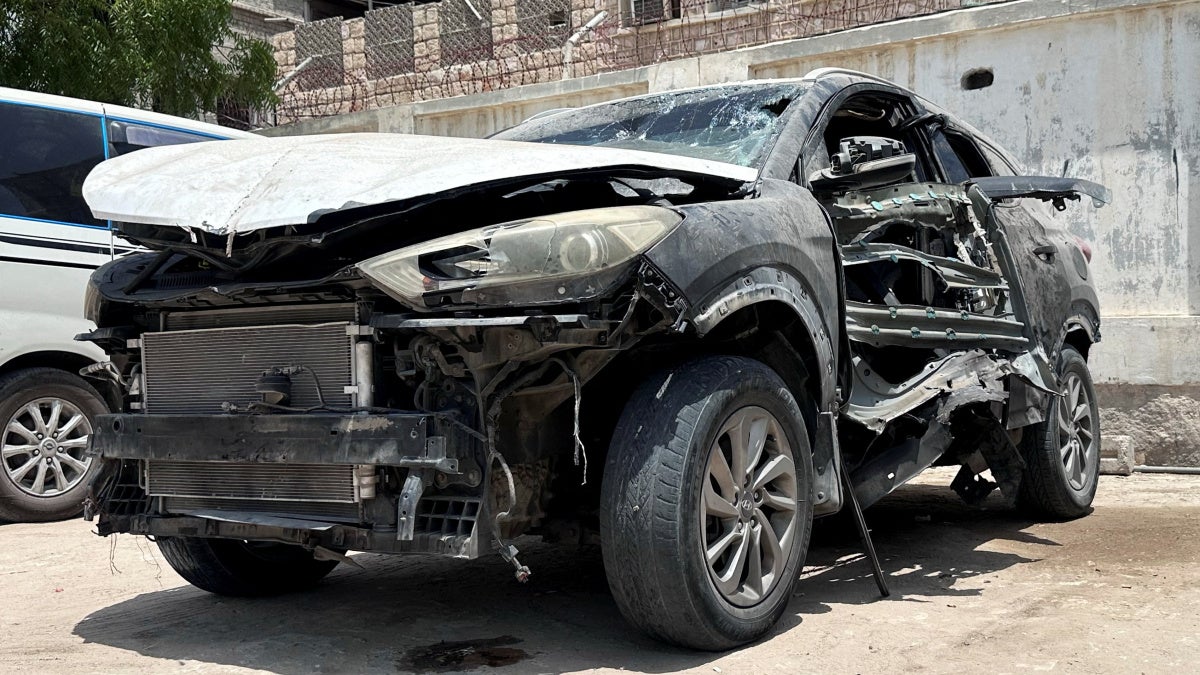
On June 24, 2026, journalist Muhammad Aidha was killed in Mukalla in eastern Yemen by an explosive device planted in his car, according to reports verified by the Yemeni Journalists Syndicate and Human Rights Watch. Aidha’s death underscores a persistent crisis of lethal violence, arbitrary detentions, and enforced disappearances targeting media workers across fractured regional territories.
Car Bombing in Mukalla Kills Reporter
The Yemeni Journalists Syndicate stated that the attack added to a series of violations against media workers, explicitly recalling the earlier assassinations of journalists Rasha al-Harazi and Saber al-Haidari in Aden. Security forces in Mukalla moved Aidha’s blasted vehicle into a police station yard as investigations opened, yet accountability remains elusive across the multi-factional landscape.
Incommunicado Detentions Target Reporting on Governance
The climate of fear extends far beyond isolated car bombings in eastern governorates. Just three days after Aidha’s killing, Marib security forces detained journalist Hamoud Haza while he was covering a public event. According to Human Rights Watch, Haza was held incommunicado and released two days later only after signing a formal pledge not to criticize the internationally recognized government or its minister of information.
Systematic Impunity Across Rival Factions
Government authorities are not alone in perpetrating these abuses. In March, Houthi forces abducted journalist Salah al-Deen al-Rawhani from his home in Sanaa, and he has not been heard from since, according to the International Federation of Journalists. A comprehensive report published by Human Rights Watch in September 2025 documented systematic violations by all warring parties, including the Houthis, the Southern Transitional Council, and the Yemeni government, noting that serious abuses against journalists continue with complete impunity.
A Bloody Toll of Ninety Casualties Since 2015
The National Organization of Yemeni Reporters issued an assessment of the situation, noting that over 90 journalists and media workers have been killed since Yemen’s conflict began in 2015. This toll reflects the deliberate desire of conflict parties to impose a complete media blackout and entrench a culture of impunity.
Mounting Demands for Investigations and Releases
Human rights monitors and press organizations continue to press for immediate corrective actions. The Yemeni government faces mounting calls to conduct a prompt, impartial, and transparent investigation into the killing of Muhammad Aidha, investigate all other attacks on journalists within territories under its control, and hold responsible parties accountable. Simultaneously, Houthi authorities face urgent demands to release all detained journalists and media workers, including the disappeared Salah al-Deen al-Rawhani.