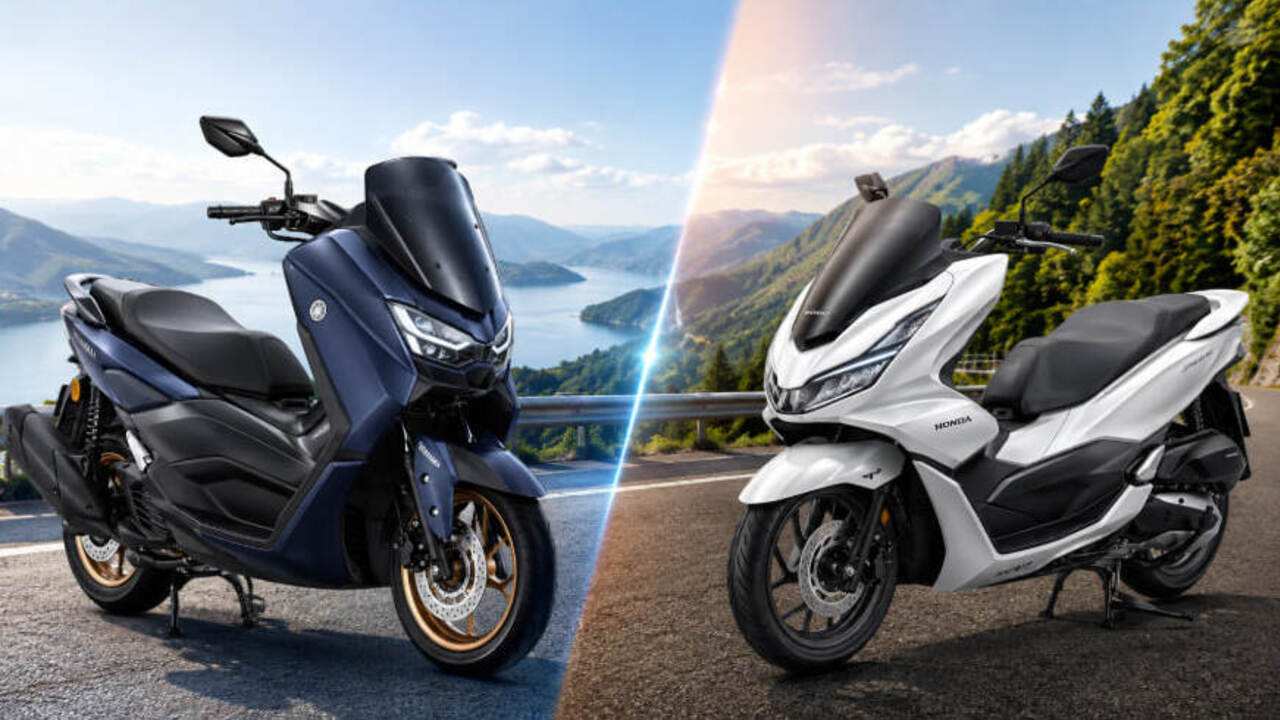
Yamaha NMAX Turbo vs Honda PCX and ADV 160: Comparison and Review
The intensifying rivalry between the Yamaha NMAX Turbo and Honda PCX 160 has shifted the competitive landscape of the Indonesian premium scooter market. As both manufacturers vie for dominance in the 150cc-160cc segment, consumers face a choice defined by distinct engineering philosophies: Yamaha’s focus on performance-oriented transmission technology versus Honda’s established reputation for ergonomic refinement.
Capitalizing on Brand Loyalty in a Saturated Market
The “Turbo” branding on the latest Yamaha NMAX 155, which utilizes the Yamaha Electric CVT (YECVT) system, marks a departure from traditional mechanical variators. According to technical specifications, this system allows for simulated gear shifting, aiming to provide a more responsive acceleration profile. Conversely, the Honda PCX 160 maintains its market position by emphasizing long-distance comfort and a proven liquid-cooled engine architecture. Market data suggests that while Yamaha targets the tech-forward enthusiast, Honda continues to capture the commuter demographic prioritizing long-term reliability and service infrastructure.
Comparative Analysis of Premium Scooter Metrics
- Transmission Innovation: Yamaha’s YECVT introduces an electronic control layer to the drivetrain, a move intended to enhance mid-range torque delivery.
- Ergonomic Philosophy: The Honda PCX 160 retains its signature upright seating position, which long-term owners consistently cite for reducing fatigue during extended touring.
- Market Positioning: Both models sit in the IDR 40 million price bracket, a competitive tier that requires high-volume sales to justify the R&D expenditure associated with premium features.
The Fiscal Implications of Product Differentiation
Yamaha’s strategy to integrate four distinct advantages in the NMAX Tech MAX Ultimate—including advanced suspension tuning and upgraded aesthetic finishes—is a direct response to the market pressure exerted by the Honda ADV 160 and PCX 160. By fragmenting its product lineup into “Turbo” and “Ultimate” tiers, Yamaha is attempting to capture higher price points from segments that were previously underserved by mass-market scooters.

Market Trajectory and Future Outlook
Instead, the market is trending toward a bifurcated reality: one where performance-centric features drive short-term marketing surges, while comfort-centric engineering secures long-term market share.