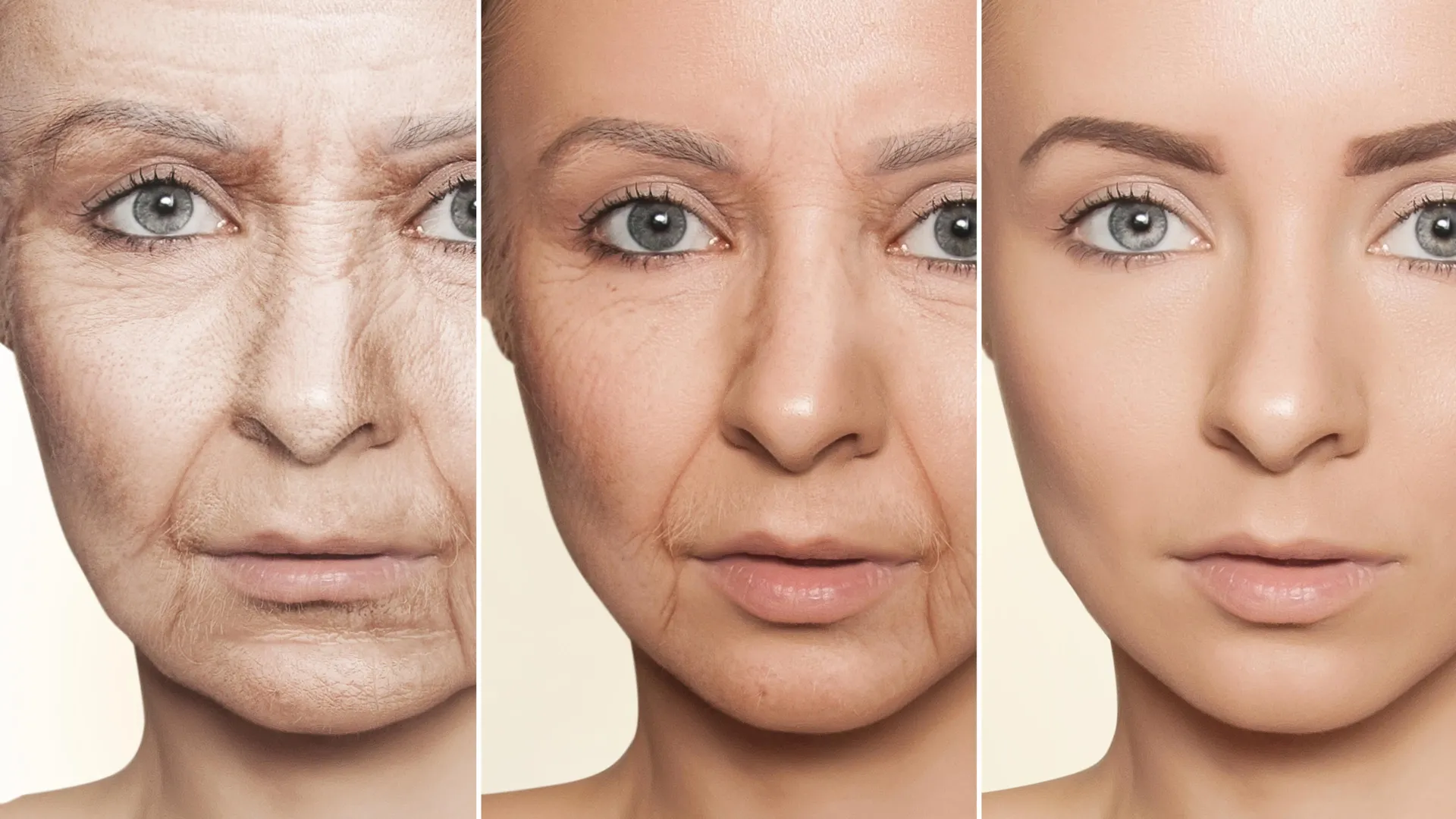
Yale Study Finds 11-14% Calorie Reduction Lowers Aging Protein
Reducing calorie intake by 11% to 14% lowers a specific protein linked to aging, a Yale study has found.
The research, published in Nature Aging, points to a potential shortcut to some benefits of eating less without the downsides of severe dieting.
The study centers on an immune protein called complement component 3, or C3. While C3 helps fight infection, it can also fuel chronic inflammation as people age. Chronic inflammation is a major driver of age-related diseases.
Scientists at Yale School of Medicine analyzed blood samples from 42 participants in a two-year NIH clinical trial. The trial, called CALERIE, is the only one of its kind done with such rigor and control, according to senior author Vishwa Deep Dixit.
“This concept demonstrates that aging is actually malleable and a process that can be targeted,” Dixit told Science Daily.
Participants in the trial successfully lowered their calorie intake without feeling deprived. Analysis of their blood identified over 7,000 proteins. Levels of C3 dropped significantly in response to the diet change.

The researchers pinpointed white adipose tissue, the main type of body fat, as the primary tissue affected. Work with mice has led Yale researchers to believe they may have discovered an alternative path to gaining some anti-aging advantages of reduced food consumption. Experiments traced this increase to visceral white adipose tissue, the fat deep in the abdomen linked to chronic inflammation.
The finding was unexpected. C3 is mainly made in the liver. Using single-cell RNA sequencing, the team narrowed the source to specific groups of aging-related macrophages in the fat tissue. Macrophages are white blood cells that form part of the body’s first line of immune defense.
“This whole process was unknown in the beginning,” co-first author Manish Mishra told Science Daily.
For now, the research does not change current medical advice. The idea of blocking C3 has not been tested as a treatment in people. Much of the mechanism work was done in mice, and the human data came from a relatively small group.
The goal is to develop a drug or another method that focuses on C3 or the macrophages in fat tissue that generate it. Yale scientists state that the impact on C3 seems to happen without weight loss, which is why they believe it could serve as an alternative to the anti-aging effects of calorie restriction.
Senior author Vishwa Deep Dixit called the trial the only one of its kind done with such rigor and control, and said it shows relevance to human physiology, according to the Yale School of Medicine.
The trial, funded by the National Institutes of Health, is known as Comprehensive Assessment of Long-Term Effects of Reducing Intake of Energy.
It examined blood plasma samples from 42 participants over two years.
Earlier Yale research showed that people cutting calorie intake by a moderate 14% over two years improved their immune defense without losing growth or reproductive function. This finding fueled the team’s search for an alternative to severe dieting.
The CALERIE trial is registered at clinicaltrials.gov.