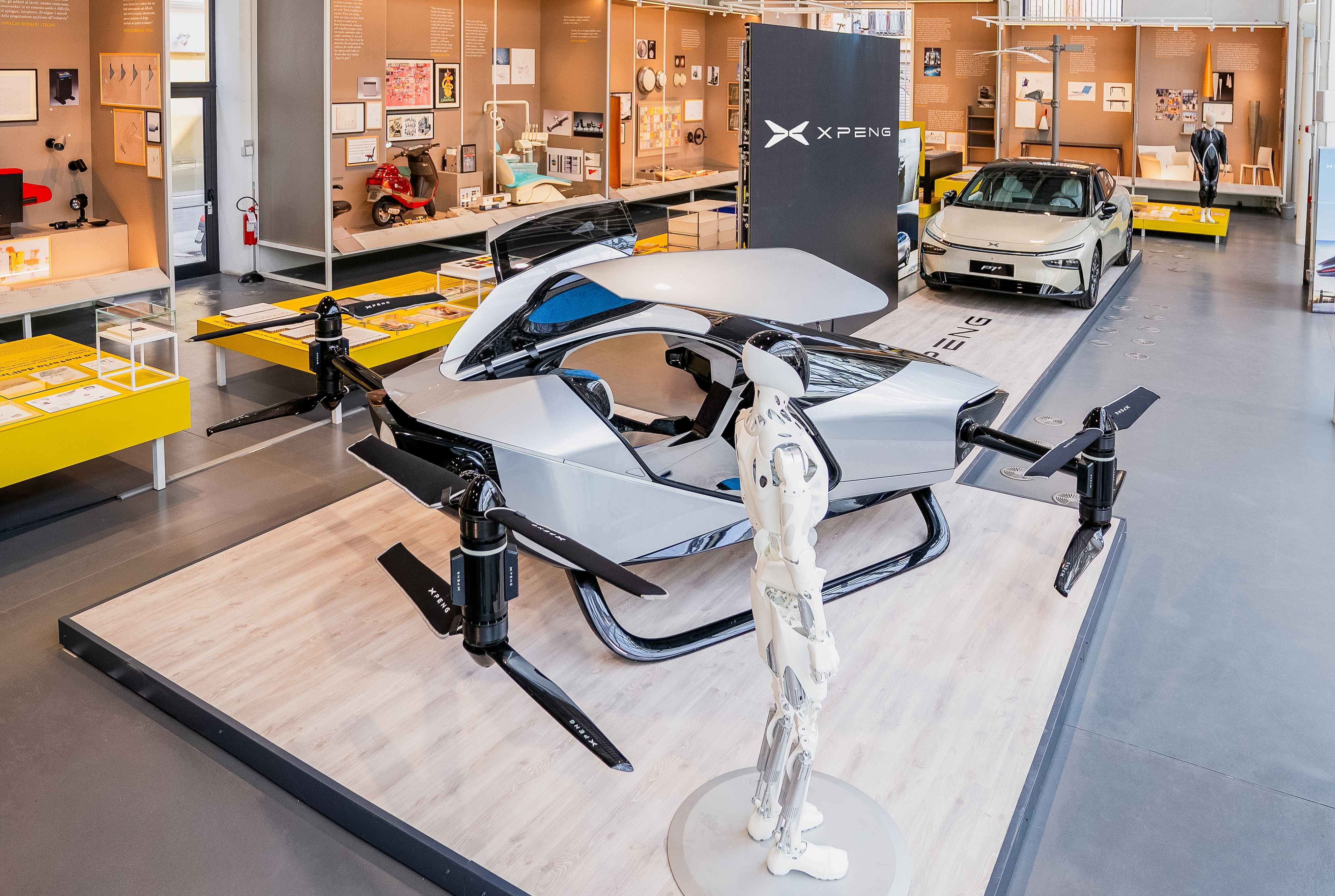
XPeng Unveils WorldGPT Physical AI Model for Cars, Robots, Drones
Chinese electric vehicle manufacturer XPENG unveiled WorldGPT on Nov. 24 in Guangzhou, China, a single physical AI model designed to learn across cars, boats, drones, and various robot types. The system, part of the Turing World Model family, uses a cloud-based “teacher” to share knowledge with smaller models running on individual machines.
Shared learning across six machine types
WorldGPT enables different machines to benefit from a shared understanding of the physical world rather than developing independent systems for each task, XPENG announced. The model integrates visual understanding, reasoning, prediction, and action planning into one system.
The technology uses camera images as a common learning interface. While a car and a robotic arm utilize different controls, both must recognize objects and anticipate movement, Automotive World reported. XPENG trains one large model in the cloud, which then distills knowledge into specialized, smaller models for specific hardware.
Xpeng yesterday unveiled WorldGPT, a new AI model designed to help up to six types of machines understand, predict, and interact with the physical world, including cars, boats, drones, robotic arms, and humanoid robots. WorldGPT could also change how physical AI systems are… pic.twitter.com/cnmNJP02mG
This approach could potentially reduce the amount of new training data developers require when adding a new machine to a system, TechRepublic reported. The model can take text instructions and camera footage to generate video of how a scene might unfold while planning a response.
Benchmark performance and data limitations
As of Nov. 12, 2026, WorldGPT achieved 12 first-place results across public benchmarks in autonomous driving, robotics, visual understanding, and video generation, according to XPENG.
XPeng operates as a global AI mobility technology company with a significant international presence. By the end of 2025, the company had expanded its global footprint to 60 countries and regions, delivering 45,008 vehicles in overseas markets during that year.
The manufacturer’s scale also includes an extensive domestic infrastructure. As of 31 March 2026, XPeng’s physical sales network consisted of 733 stores covering 256 cities, supported by a self-operated charging network of 3,455 stations.

| Evaluation Area | XPENG Reported Result |
|---|---|
| Autonomous Driving | First place in four evaluations |
| Robotic Manipulation | 95.2% average success in Meta-World MT50 |
| Visual Understanding | First on CV-Bench and two BLINK subtasks |
| Video Generation | Highest overall VBench 2.0 score |
Deployment and pilot considerations
XPENG has not provided a specific timetable for when the smaller, on-device models will be deployed.
More on Turing World Model
XPENG Turing World Model WorldGPT: Opening the Cross-Embodiment Imagination for Physical AI https://t.co/qbwXcvfufI