Xi Jinping’s Potential Delhi Visit: A Turning Point for India-China Ties and BRICS
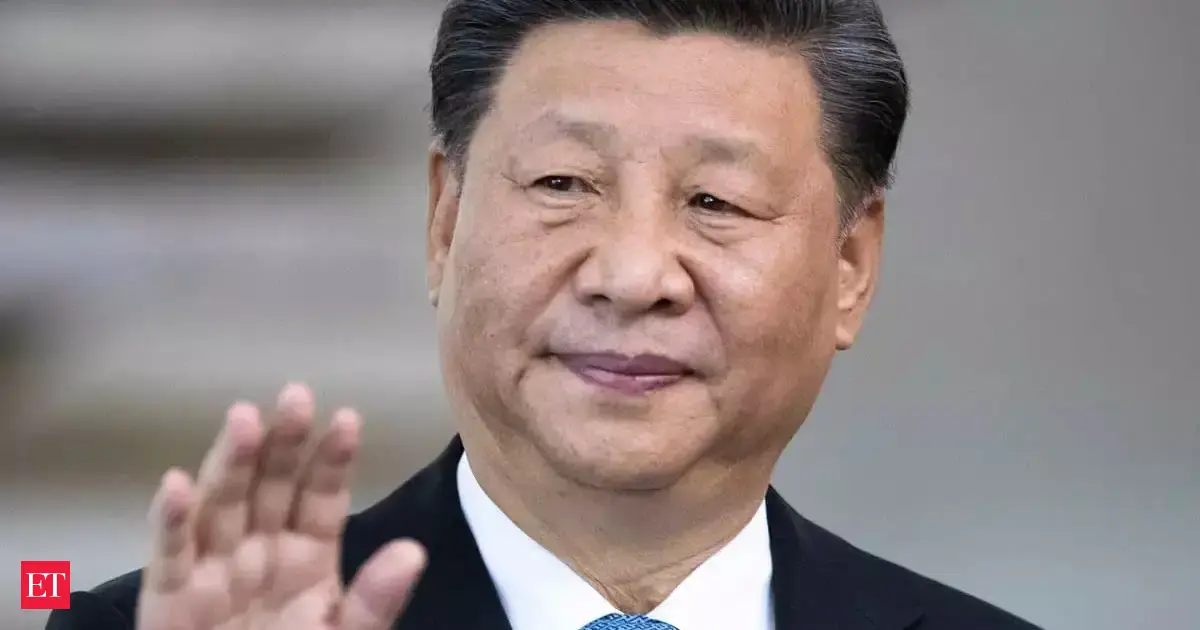
Chinese President Xi Jinping is expected to travel to New Delhi for the 2026 BRICS summit, marking his first visit to India in seven years. The potential arrival, anticipated for September 12 and 13, signals a critical attempt to stabilize bilateral relations following the 2020 Galwan border clashes.
A Strategic Shift in Regional Diplomacy
The diplomatic landscape between New Delhi and Beijing is currently undergoing a period of recalibration. This massive contingent includes business representatives and support staff, suggesting that the agenda will extend far beyond the formal BRICS proceedings.
The timing of this visit coincides with ongoing efforts by National Security Adviser Ajit Doval to address the boundary question. During a recent visit to China, Doval met with Vice President Han Zheng to discuss the persistent border dispute. These high-level engagements indicate a desire to move past the strategic distrust that has defined the relationship since the 2020 border clash.
The BRICS Mandate and Internal Bloc Dynamics
For much of its existence, the BRICS bloc has struggled to translate ambition into action. Internal divisions, particularly the relationship between India and China, have often limited outcomes. The anticipated visit by Xi Jinping offers a potential pathway to bridge these divisions.
If the summit yields further movement in bilateral relations, it could provide the necessary momentum for BRICS to evolve into a grouping capable of taking concrete economic decisions. Both nations currently find themselves navigating an increasingly protectionist global trade environment, partially driven by the tariff policies of US President Donald Trump. This shared concern regarding supply chain stability and market access has created a limited but meaningful area of convergence for the two Asian giants.
However, the structural competition remains significant. India maintains a cautious stance regarding China’s economic dominance within the bloc, and border disputes remain unresolved. Prime Minister Narendra Modi, during his 2025 visit to the SCO Summit in Tianjin, emphasized that future relations must be anchored in “mutual trust, respect and sensitivity.”
Infrastructure and Security Requirements
The arrival of a 400-person delegation necessitates extensive logistical and security coordination.

The restoration of direct flights and the resumption of the Kailash Mansarovar Yatra serve as indicators of the thawing relationship. Yet, the economic stakes remain high. As India positions itself as a leading voice of the Global South, the ability to manage the summit while balancing competition with China will be a defining test for its diplomatic apparatus.
The convergence of interests between India and China is not a guarantee of long-term cooperation, but rather a management of rivalry. Diplomacy does not require the elimination of competition, only the management of it to a degree that allows for cooperation where interests overlap.
Looking Ahead: The Management of Rivalry
The 2026 summit serves as a litmus test for the future of multilateralism among emerging economies. Whether the meeting results in a breakthrough or remains a symbolic gesture will likely be determined by the parallel discussions held behind closed doors. With the global economic order in flux, the stakes for both nations are higher than at any point since the 2020 border tensions.
As the date for the summit approaches, the focus remains on whether structural competition will continue to limit the bloc’s potential. The outcome of this visit will ripple through the economies of the Global South, setting a precedent for how major powers reconcile strategic rivalry with the necessity of economic integration.