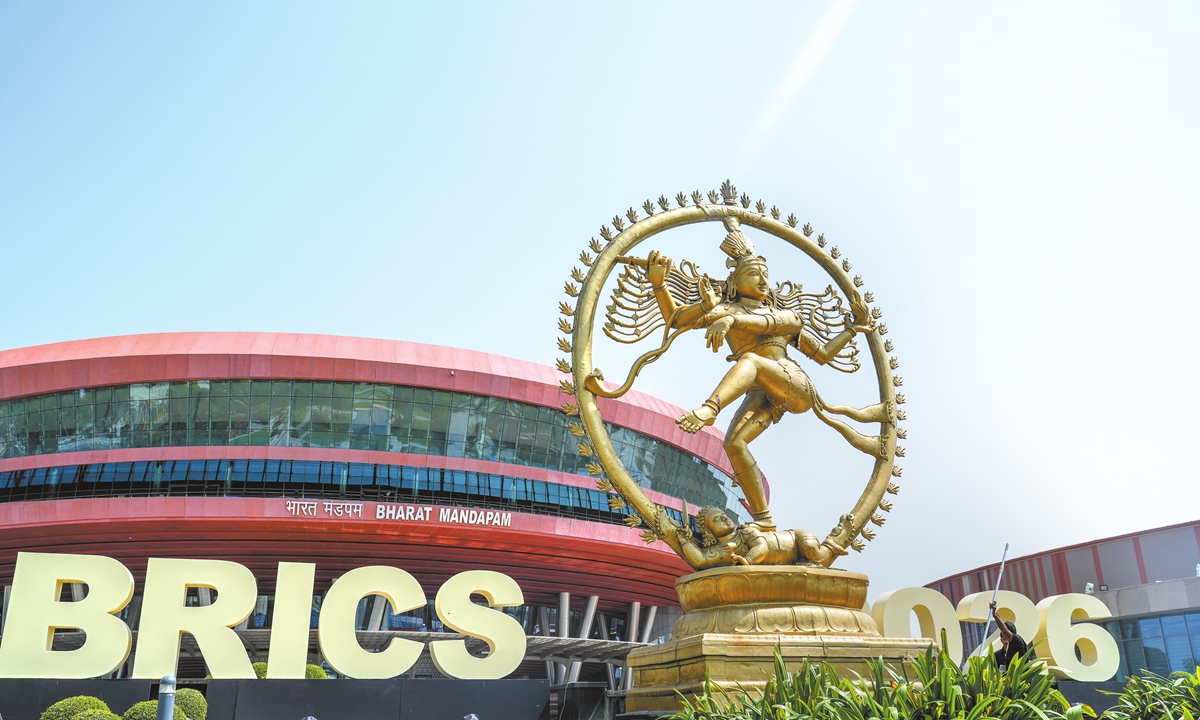
Xi Jinping to Visit India for BRICS Summit in New Delhi
Chinese President Xi Jinping will travel to New Delhi to attend the 18th BRICS Summit from September 12 to 13, marking his first visit to India in seven years. According to China’s foreign ministry and regional reporting by the Times of India, the high-profile visit follows an invitation from Indian Prime Minister Narendra Modi and centers on efforts to stabilize bilateral ties after years of border tensions.
Delegation Size and Diplomatic Significance
Xi will arrive in the Indian capital accompanied by a substantially expanded delegation. Indian sources indicate the Chinese contingent will exceed 400 officials—more than double the size of the team that traveled with Xi during his previous visit to India in October 2019 for informal talks in Mamallapuram. This sizable diplomatic footprint underscores the multi-layered agenda awaiting delegations in New Delhi.

The Chinese foreign ministry stated that China attaches great importance to BRICS cooperation and supports India in successfully hosting the summit as the current chair. Beyond multilateral talks on global economics, institutional reform, and international conflicts, the gathering sets the stage for a closely monitored bilateral meeting between Xi and Modi.
Untangling Years of Border Friction
Bilateral relations deteriorated sharply following a military standoff along the Line of Actual Control (LAC) in eastern Ladakh in 2020. The Galwan Valley clash in June of that year resulted in the deaths of 20 Indian soldiers and at least four Chinese troops, driving diplomatic and economic channels to a multi-year low.

A diplomatic thaw began after India and China reached an understanding in October 2024 concerning disengagement at remaining friction points in Depsang and Demchok. Modi and Xi subsequently met on the sidelines of the BRICS summit in Kazan, agreeing to reactivate mechanisms for resolving boundary disputes. Subsequent high-level talks, including discussions between National Security Adviser Ajit Doval and Chinese Foreign Minister Wang Yi, yielded an eight-point consensus encompassing additional military meeting points, new hotline channels, and the reopening of three designated border trading points.
Despite these confidence-building measures, New Delhi maintains that border peace remains a strict prerequisite for full normalization. Jaishankar reiterated this position during discussions with Wang, emphasizing that maintaining tranquillity along the frontier governs the pace of broader engagement.
Multilateral Agendas in New Delhi
While bilateral border management dominates regional attention, the summit itself brings together emerging economies to deliberate pressing transnational challenges. For organizations tracking geopolitical shifts, foreign policy changes, and international trade policies, monitoring regulatory realignments is essential.
The 18th BRICS Summit also provides a platform for member states to address institutional multilateral reforms and economic cooperation frameworks.
For multinational corporations and trade organizations adapting to shifting diplomatic landscapes, tracking official updates through accredited channels remains critical.