
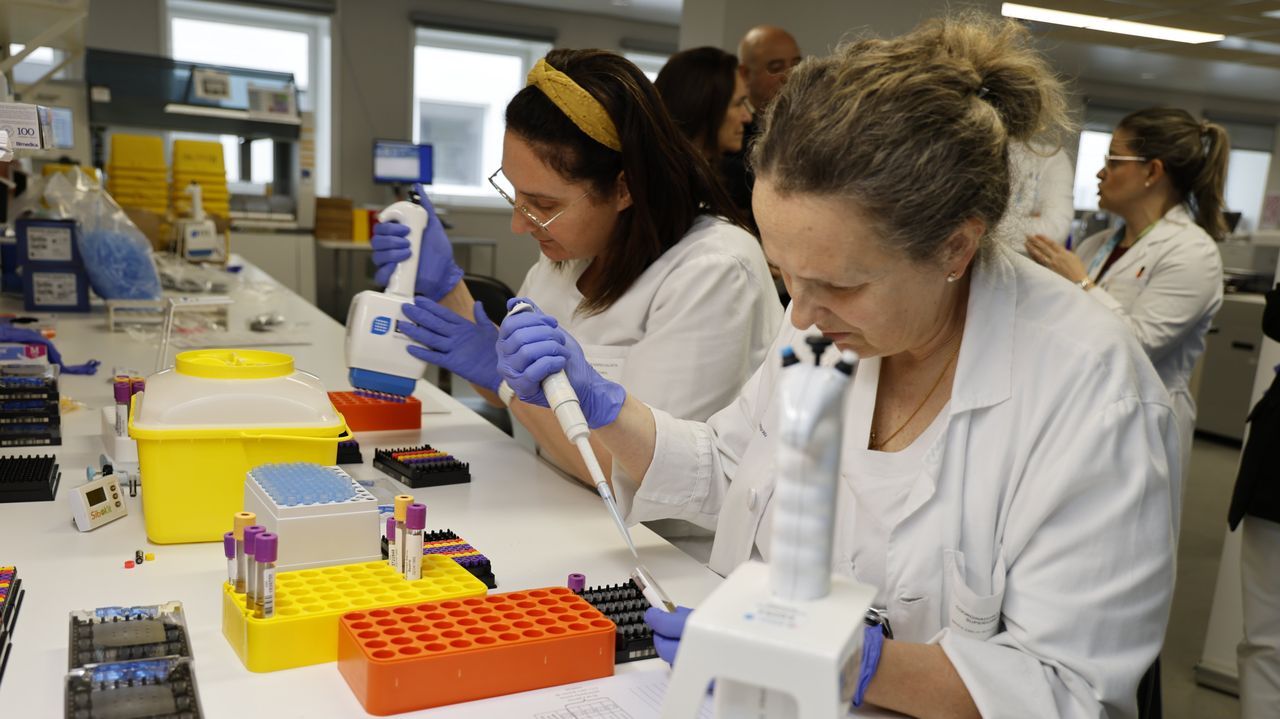
Xenoma Galicia Project: Blood Sampling Begins in Vigo
In a quiet corner of Vigo’s healthcare landscape, a recent clinical initiative quietly began yesterday: the Xenoma Galicia project launched its first phase of blood sampling, drawing samples from 36 volunteers across the Vigo health district. This modest start belies a potentially significant step in understanding regional biomarkers tied to metabolic and inflammatory conditions prevalent in Northwestern Spain. Whereas the project’s name may evoke futuristic biotech, its current phase is grounded in foundational epidemiology—collecting baseline human data to inform future diagnostic and therapeutic strategies. As global medicine shifts toward precision health, initiatives like Xenoma represent the essential groundwork where population-level insights are forged before any intervention is tested.
Key Clinical Takeaways:
- The Xenoma Galicia project has initiated Phase 0-like exploratory sampling with 36 participants to establish regional biomarker baselines.
- Funded by the Galician Ministry of Health and the Carlos III Health Institute, the study aims to correlate blood profiles with lifestyle and genetic factors in Northwest Spain.
- Though early-stage, the project could inform future clinical trials targeting metabolic syndrome, a condition affecting over 25% of adults in the region according to recent SESALUD surveys.
What appears as a routine blood draw is, in fact, the opening act of a structured observational study designed to map molecular signatures unique to Galicia’s population. Unlike interventional trials that test drugs or devices, Xenoma Galicia operates in the realm of discovery science—seeking to identify measurable biological indicators (such as cytokine profiles, lipid metabolites, or epigenetic markers) that may predict susceptibility to chronic diseases like type 2 diabetes or cardiovascular dysfunction. This approach mirrors large-scale efforts such as the UK Biobank or Spain’s own Predimed-Plus trial, though Xenoma focuses specifically on a geographically defined cohort with distinct dietary patterns (high in seafood and legumes) and genetic ancestry tied to Celtic and Iberian lineages.
The project is not industry-driven but publicly funded, a detail critical to assessing its objectivity and long-term vision. According to official sources from the Sergas (Galician Health Service), the Xenoma Galicia initiative received €420,000 in grant funding from the Galician Agency for Health Technology Assessment (AVALIA-T) and is supported by the Instituto de Salud Carlos III through its RETICS program for cooperative research in epidemiology and public health. This public backing ensures that data generated will be subject to rigorous governance protocols and, made accessible to researchers across the Spanish National Health System—an significant safeguard against data silos that often hinder translational progress.
Dr. Elena Vázquez, lead epidemiologist at the Complejo Hospitalario Universitario de Vigo and principal investigator for Xenoma Galicia, emphasized the project’s grounding in real-world health needs:
“We’re not chasing hypothetical biomarkers. We’re looking for signals in the blood that reflect the actual burden of metabolic strain in our communities—especially among working-age adults facing rising obesity and sedentary lifestyles.”
Her perspective is echoed by Dr. Manuel Iglesias, a biochemist at the University of Santiago de Compostela collaborating on the assay validation phase, who noted:
“The power of this study lies in its granularity. By combining deep phenotyping with high-resolution metabolomics, we can begin to model how regional lifestyles interact with genetic predispositions—information that’s essential before we even think about designing trials.”
From a public health standpoint, the timing of Xenoma Galicia’s launch is significant. Recent data from the Spanish National Statistics Institute (INE) shows that Galicia has one of the highest prevalences of metabolic syndrome in the country, with age-adjusted rates exceeding 28% in adults over 45—surpassing the national average of 22%. Conditions like insulin resistance and hepatic steatosis are increasingly diagnosed in younger cohorts, suggesting a shifting epidemiological curve that demands localized research responses. Projects like Xenoma, by establishing reference ranges and risk stratification tools specific to Galician populations, could eventually refine screening protocols used in primary care centers throughout the region.
What we have is where the project’s true value may emerge: not in immediate clinical application, but in building the infrastructural knowledge that enables smarter, more equitable healthcare decisions. For instance, if Xenoma identifies a novel lipid signature predictive of early-stage non-alcoholic fatty liver disease (NAFLD), it could guide when to refer patients from community clinics to specialized hepatology units. Similarly, insights into inflammatory markers might assist rheumatologists or endocrinologists tailor monitoring strategies for patients with borderline autoimmune indicators.
For healthcare providers in Vigo and beyond navigating the complexities of metabolic risk assessment, access to vetted specialists becomes crucial. Patients showing early signs of dyslipidemia or insulin resistance may benefit from consultation with board-certified endocrinologists who can interpret emerging biomarker data in context. Likewise, those with familial histories of cardiovascular events should consider preventive evaluations through preventive cardiology programs that integrate lipidomics and vascular imaging—services increasingly informed by population-specific research like Xenoma. On the administrative side, clinics adopting new risk-stratification tools based on such studies may seek guidance from healthcare compliance attorneys to ensure alignment with GDPR and Spain’s Ley General de Sanidad when handling genetic and metabolic data.
As the Xenoma Galicia project moves beyond initial sampling into longitudinal analysis over the next 18 months, its success will be measured not by headlines, but by the quality and utility of the data it generates. In an era where AI-driven diagnostics promise to revolutionize early detection, the foundation remains human biology—carefully measured, contextually understood, and representative of real populations. Studies like this remind us that innovation in medicine doesn’t always begin with a drug or a device; sometimes, it begins with a needle, a tube, and the quiet consent of 36 individuals willing to contribute to something larger than themselves.
*Disclaimer: The information provided in this article is for educational and scientific communication purposes only and does not constitute medical advice. Always consult with a qualified healthcare provider regarding any medical condition, diagnosis, or treatment plan.*