XDA-Developers Columnist Examines Home Server Over-Engineering
In a column published on xda-developers.com, an anonymous self-hosting enthusiast examines the unintended consequences of over-engineering home servers, arguing that excessive customization and building for improbable scenarios transform a practical hobby into an exhausting administrative burden.
The Hidden Costs of Complex Infrastructure
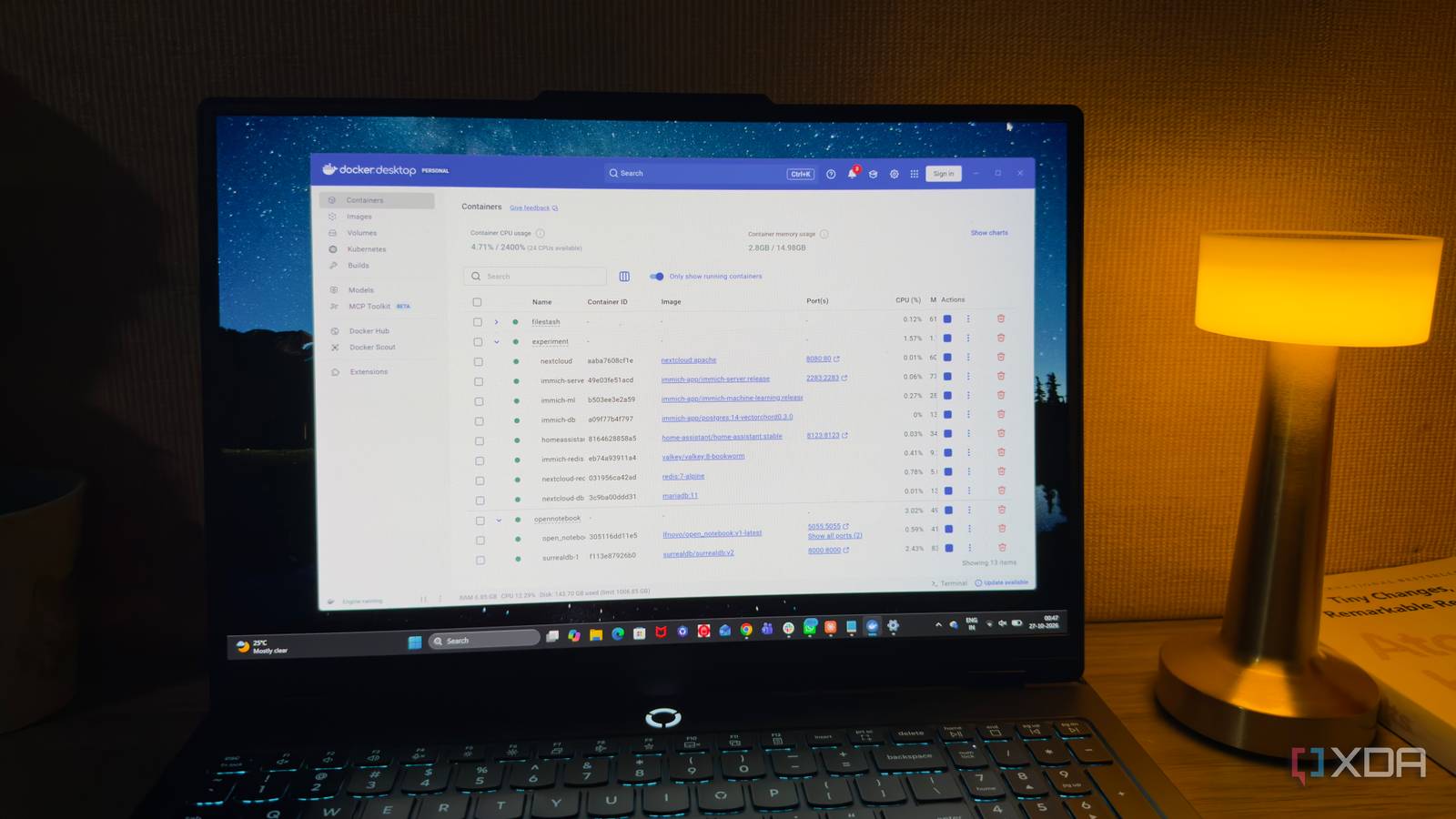
What began as a straightforward attempt to secure personal data and explore open-source alternatives gradually evolved into a demanding project that required constant oversight. According to xda-developers.com, the author spent more hours configuring the setup than actually utilizing the hosted applications. Weekend maintenance cycles frequently introduced new tweaks and configuration experiments that outpaced functional requirements.
“The problem wasn’t self-hosting itself. It was my habit of building for every possible scenario, including ones I never ran into.”
This pursuit of technical complexity manifested in intricate networking decisions. Rather than relying on simple local network IP addresses and port numbers for home-bound tools, the author implemented reverse proxies, managed custom domain names, configured SSL certificates, and routed traffic through multiple supplementary services. Such multi-layered architectures proved entirely disproportionate for daily household use.
Routine Upkeep Consumes Free Time and Risks Failures
As the service stack expanded, routine upkeep consumed a disproportionate share of available free time. Updating software containers required meticulous checks to prevent cascading failures across interdependent services. Troubleshooting broken configurations meant digging through dense system logs, often while attempting to reverse-engineer undocumented adjustments made months prior.
The Invisible Tax of Unpaid Labor
Financial expectations similarly missed the mark. While self-hosting was initially viewed as a cost-cutting measure to escape recurring software subscription fees, the invisible tax emerged in the form of unpaid administrative labor. Managing family accounts transformed the hobbyist into an unintended, on-call IT department.
Refactoring the Homelab for Practical Utility
Addressing these friction points required a complete reassessment of what belonged in the server stack. The author adopted a stringent filtering criterion for any new additions, questioning whether a tool solved a current, daily problem or required long-term maintenance commitments. Services that failed these thresholds were removed entirely.
Restoring Simplicity to Local Networks
For tools restricted strictly to the home network, the architecture was intentionally downgraded back to basic IP-and-port access. Reverse proxies were pruned down to accommodate only the few applications requiring secure external connectivity. By prioritizing long-term stability and minimal upkeep over elaborate architectural designs, the self-hosted environment finally aligned with its original purpose of simplifying digital life.