Xataka: Losing 80 Minutes of Sleep for Six Weeks Results in Weight Gain
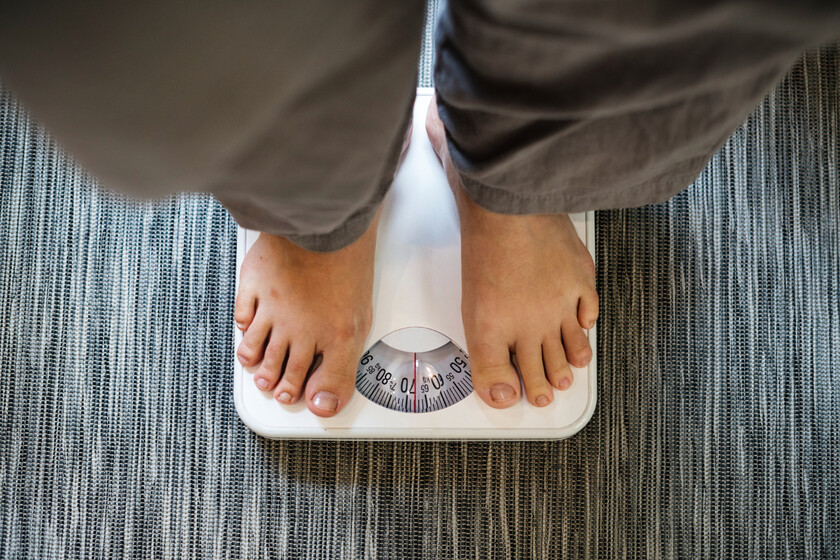
Participants who lost 80 minutes of nightly rest over a six-week span gained an average of half a kilogram of body weight, according to findings reported by Xataka.
- A clinical evaluation tracking 95 participants with elevated cardiometabolic risk revealed that restricting sleep by roughly 80 minutes per night for six weeks resulted in an average weight gain of approximately 500 grams.
- The same cohort exhibited an average increase in daily sedentary behavior of 17 minutes, even when excluding the additional waking hours generated by the shortened sleep schedule.
- Study authors noted that extrapolating these six-week findings across an entire calendar year suggests a potential weight accumulation of roughly four kilograms, though further research remains necessary across the general population.
Study Design and Sleep Restriction Methodology
The investigation enrolled 95 individuals who self-reported a baseline sleep duration exceeding seven hours each night. Researchers monitored sleep patterns and physical activity through wearable wristbands while tracking weight, waist circumference, body composition, and appetite-associated hormone levels. During the active intervention phase, participants were instructed to delay their bedtime by 90 minutes, which translated to an average reduction of 80 minutes of actual sleep. This protocol alternated across 12 total weeks, pairing the restricted sleep schedule with periods of habitual rest.

Previous scientific literature frequently utilized aggressive sleep restriction protocols, such as waking participants after just four hours of rest. Investigators noted that such extreme deficits are difficult to maintain sustainably in daily life. By contrast, moderating the restriction to five or six hours of nightly rest more closely mirrors chronic sleep debt patterns.
Less Sleep Increases Sedentary Time and Health Risks
Beyond weight alterations, the data indicated that restricted sleep modified daily movement habits. Participants subjected to shorter rest periods demonstrated an average increase in daily sedentary time of 17 minutes, independent of the extra waking hours accrued during the night. Outlets including Prensa Mercosur and La Primera en Línea highlighted these parallel shifts in physical inactivity and mass accumulation.
Persistent weight gain and heightened sedentary behavior elevate the long-term risk profile for metabolic and cardiovascular pathologies, including type 2 diabetes. While the underlying physiological pathways remain incompletely mapped, earlier research cited by study authors connects chronic sleep deficits to altered insulin resistance. Scientists agree that maintaining adequate sleep hygiene is vital for metabolic regulation, though definitive mechanistic links between sleep duration and insulin sensitivity require ongoing evaluation.
Disclaimer: The information provided in this article is for educational and scientific communication purposes only and does not constitute medical advice. Always consult with a qualified healthcare provider regarding any medical condition, diagnosis, or treatment plan.
Keep reading
- Demand for Shingles Vaccine Surges as Patients Hope to Ward Off Dementia
- OLED iPad Mini could cost considerably more at $799, per Mark Gurman
- 722 OpenAI Math Papers, 300 Results Formalized, No Referee's Verdict Yet (daybreakwire.com)
- Dr. Yaze Explains PCOS Weight Loss and SMART-PCOS Program (newsdirectory3.com)