
Xanthogranulomatous Osteomyelitis: Diagnosis & Treatment – A Review
A 50-year-old woman’s 28-month battle with left hip pain, initially attributed to tuberculosis, was ultimately diagnosed as xanthogranulomatous osteomyelitis (XO), a rare chronic inflammatory bone disease, according to a case report published in Cureus.
Xanthogranulomatous osteomyelitis is characterized by an accumulation of lipid-containing macrophages, alongside lymphocytes and plasma cells, within bone tissue. The condition is considered a peculiar form of osteomyelitis, distinguished by its unique histiocytic infiltrate and clustering of foamy macrophages. The disease manifests as a granulomatous tissue comprised of foam cells originating from monocytes and macrophages, which test positive for specific markers including KP1, HAM56, CD11b and CD68.
The patient in the Cureus report had undergone five months of anti-tuberculosis chemotherapy before the correct diagnosis was reached. The case highlights the diagnostic challenges posed by XO, as its symptoms can mimic other, more common conditions like tuberculosis.
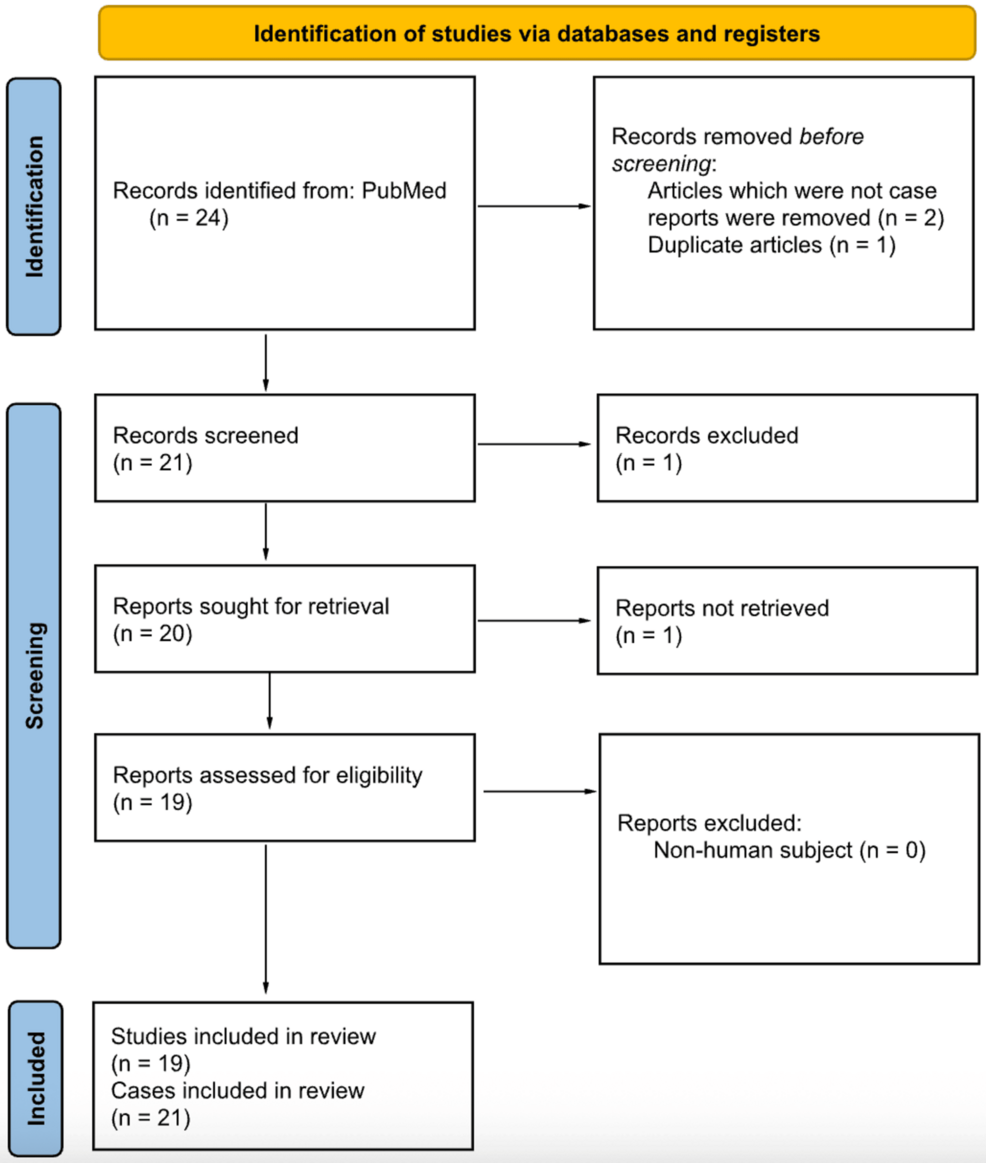
As of 2011, only five cases of XO had been formally reported in medical literature, affecting locations including the rib, tibial epiphysis, ulna, distal tibia, and femur. While typically observed in younger individuals, the reported case demonstrates the condition can also affect middle-aged adults. Clinical presentations often include pain, swelling—potentially lasting for extended periods—fever, and elevated erythrocyte sedimentation rates (ESR). Radiographic examination typically reveals lytic foci with sclerotic margins.
The inflammatory process in XO is believed to involve a delayed-type hypersensitivity reaction within cell-mediated immunity, driven by the interaction of macrophages and T cells. T cells present as a mix of CD4+ and CD8+ lymphocytes, with both macrophages and lymphocytes exhibiting significant expression of the HLA-DR antigen. Some researchers suggest XO represents a localized bone manifestation of a broader xanthogranulomatous process that can occur in other parts of the body.
Treatment strategies for XO vary depending on the specific case. When a bacterial infection is confirmed through cultures, antibiotics are often employed. Surgical interventions, including curettage, bone grafting, and resection, have also been described in limited studies. In the case reported by Kamat et al., Staphylococcus aureus was identified as the causative agent.
The rarity of XO underscores the need for heightened awareness among clinicians, particularly when faced with patients presenting with chronic bone pain and inflammation that do not respond to conventional treatments. Further research is needed to fully understand the pathogenesis of XO and to optimize treatment protocols.