Wyoming Launches Nation’s First State-Backed Oil and Gas Bonding Pool
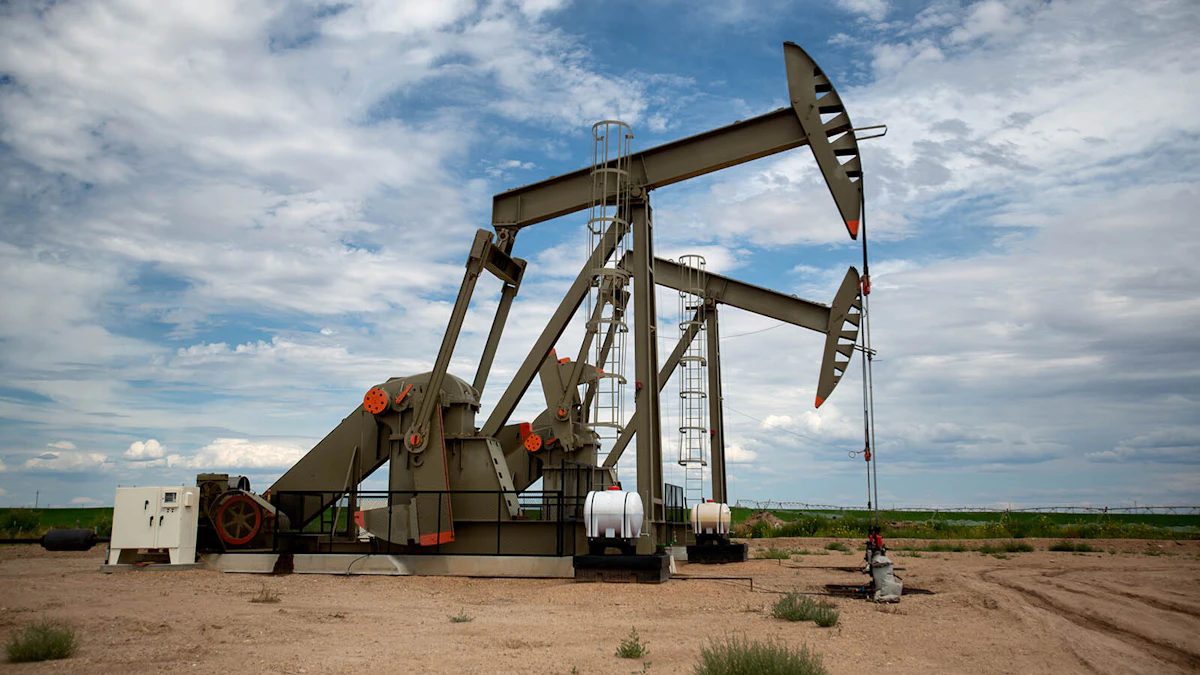
Wyoming has officially launched the nation’s first state-backed oil and gas bonding pool to provide operators with a capital-efficient alternative to traditional financial assurance requirements. Authorized by Senate File 20 and signed into law by Governor Mark Gordon in 2025, the voluntary program allows eligible producers to meet well-plugging and reclamation obligations through a state-regulated structure rather than tying up liquidity in cash collateral or letters of credit.
The Shift in Financial Assurance Mechanics
The Wyoming Oil and Gas Conservation Commission (WOGCC) selected OneNexus to operate the program, utilizing the firm’s proprietary WellSecure™ platform. This initiative arrives as federal regulators move to tighten financial mandates across the energy sector. According to Pete Obermueller, President of the Petroleum Association of Wyoming (PAW), the federal bonding model has outlived its usefulness, with heavy-handed requirements from Washington, D.C. forcing Wyoming’s small operators to question whether they could stay in business.
By shifting from static collateral to a pooled risk model, Wyoming aims to mitigate the prevalence of orphaned wells without draining the working capital of active producers. The program functions as an insurance-backed structure; surety bonds are issued by Travelers Casualty and Surety Company of America, which holds an A++ (Superior) rating from AM Best. The mechanism is further supported by Munich Re regulatory capital, providing a layer of institutional stability that distinguishes it from private, standalone bond arrangements.
Capital Efficiency and Operational Liquidity
For mid-market energy firms, the primary fiscal constraint often involves “trapped capital”—cash reserves mandated by state regulators as security for future decommissioning liabilities. When capital is locked in a letter of credit or cash escrow, it cannot be deployed toward drilling programs, infrastructure upgrades, or debt service.

Regulatory Precedent and Industry Outlook
Tom Kropatsch, State Oil and Gas Supervisor for the WOGCC, characterized the program as a “practical, Wyoming-built solution” designed to accommodate the realities of the current energy landscape. Participation remains voluntary, allowing firms to weigh the benefits of the pool against their existing surety arrangements.
The broader implications for the sector are significant. If this model demonstrates success in maintaining high reclamation standards while preserving operator liquidity, other energy-producing states may adopt similar frameworks.
Structuring Future-Proof Compliance
The reliance on industry taxes to fund the pool serves as a hedge against the risk of operator default. By internalizing the risk within a state-backed pool, Wyoming reduces the fiscal exposure of the state government, shifting the burden of orphaned wells back to the collective industry participants. This structural shift effectively creates a mutualized risk pool that rewards operators in good standing with more flexible financial requirements.
