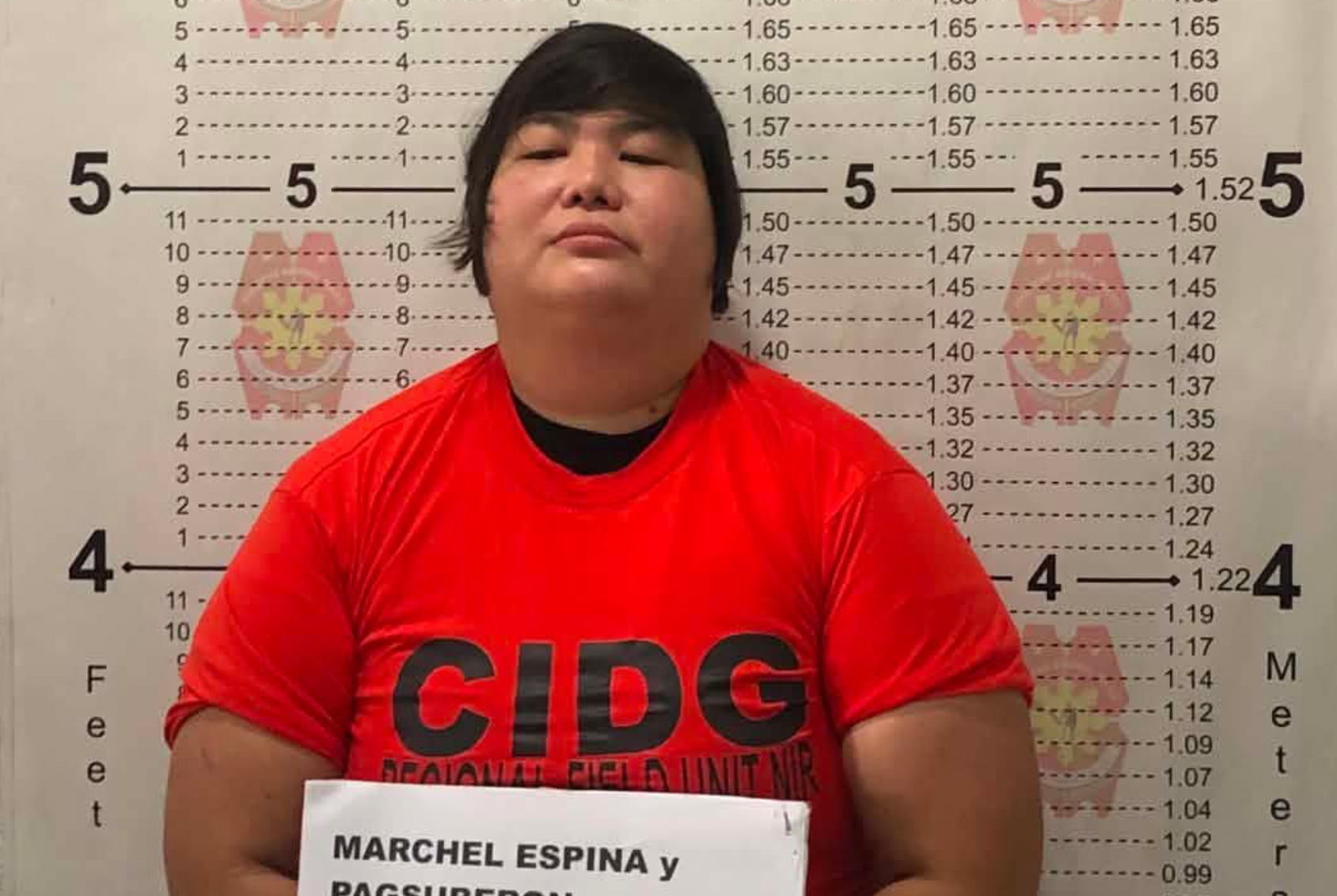
World’s Press Condemns Arrest of Philippine Journalist Marchel Espina
Authorities charged Espina with cyber unjust vexation over a December 2024 opinion article written by an external contributor. The case highlights ongoing legal challenges facing independent media in the Philippines.
Espina, who currently serves as a member of WAN-IFRA’s global Women In News and SaferMedia programme teams, learned informally of an arrest warrant issued by a Batangas City court two days prior to her voluntary surrender. According to WAN-IFRA statements, this timeline effectively denied her the opportunity to submit a counter-affidavit, forcing her into a series of direct court appearances after she turned herself in at Bacolod City on July 17 and posted bail.
The criminal complaint originates from a minister affiliated with the Iglesia Ni Cristo, an international Christian denomination founded in the Philippines. The complainant alleges that the published commentary—which examined the religious group’s influence and its ties to prominent political figures—caused “annoyance, irritation, torment, distress, and disturbance.” This filing marks the second attempt to penalize the publication over the article, following an unsuccessful round of cyber-libel charges submitted in 2025 that targeted SunStar Cebu directly.
Legal Mechanisms and the Threat of Criminal Unjust Vexation
The charges against Espina rely on Section 1, Article 287 of the Philippine Revised Penal Code, which defines criminal unjust vexation. While the statute carries a maximum sentence of 30 days and a fine of up to 40,000 Philippine pesos, media advocacy groups argue that the frequent deployment of such penal provisions acts as a systematic tool for harassment. Four other individuals connected to the Central Visayas-based media outlet face identical filings in the ongoing legal action.
“While every person has the right to seek legal remedies, the legal process should never be used to discourage independent journalism and reporting in the public interest,” Espina stated following her release on bail. Her case adds to a documented pattern where public officials and powerful institutions utilize criminal law rather than civil remedies to target investigative reporters and editors.
Global Condemnation and the Broader Impact on Press Freedom
Andrew Heslop, Executive Director for Media Freedom at WAN-IFRA, pointed to the chilling effect these targeted prosecutions aim to achieve.
“We see this as an attempt – sadly, not an isolated one in the Philippines – to intimidate a journalist and send a clear message to others to back-off from reporting public interest stories,” Heslop noted. He emphasized that instead of deterring investigative reporting, such legal actions underscore the vital necessity of constitutional protections for the press.
As the legal proceedings continue in Batangas and Bacolod, media watchdogs and local press associations maintain that the charges should be dropped entirely.