
World Cup at Lumen Field: Seattle’s International Sports Legacy
Seattle’s Lumen Field will host six FIFA World Cup 26™ matches from June 15 to July 6, 2026. With a capacity of nearly 70,000 and an operational goal of zero-waste, the city is leveraging its history of international sports to drive massive short-term tourism and urban infrastructure demand.
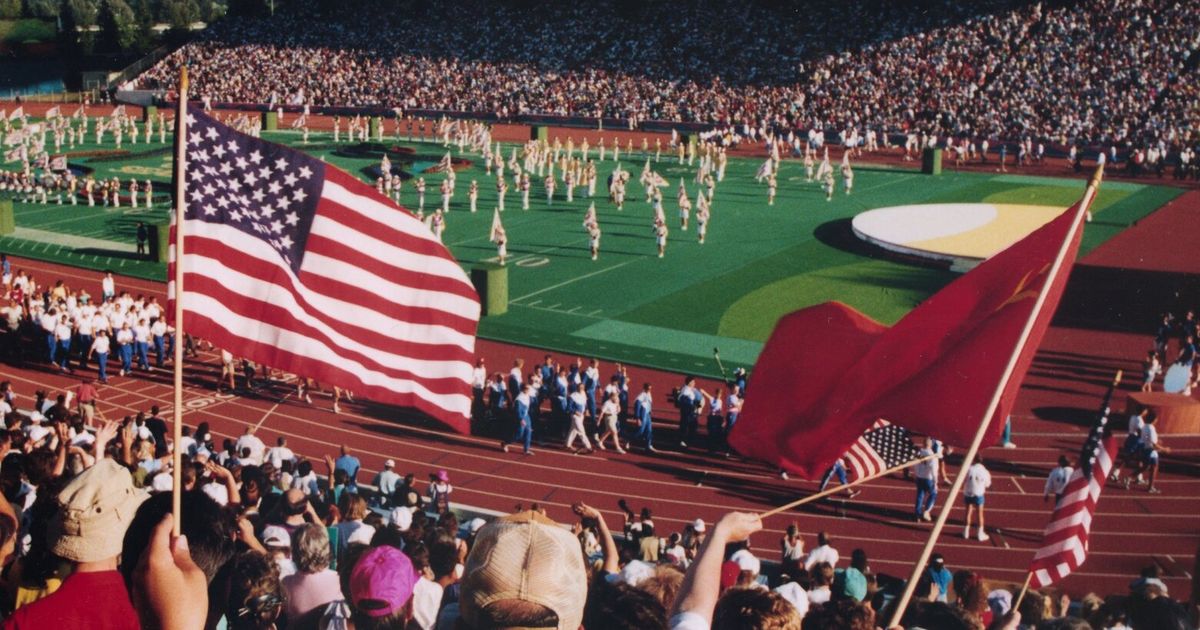
The upcoming tournament represents more than just a sporting event; it is a high-stakes exercise in urban scalability and asset utilization. When Seattle hosted the 1990 Goodwill Games, the city established a blueprint for international sports extravaganzas, but the fiscal and logistical requirements of the 2026 World Cup operate on a different magnitude. We are no longer talking about regional interest; we are discussing a global influx of capital and human traffic that tests the absolute limits of downtown throughput.
Managing this surge creates immediate friction for local enterprises. The sheer volume of attendees—estimated at nearly 70,000 per gameday—forces a reliance on global logistics providers to synchronize transport and supply chains. For the B2B sector, the “problem” is the volatility of demand; the “solution” is the implementation of enterprise-grade scalability tools to handle the spike in hospitality and service requirements.
The Operational Throughput of Lumen Field
Lumen Field is not a passive venue; it is a high-performance asset. According to official venue data, the stadium typically manages more than 300 event days per year, processing over 2.4 million visitors. This baseline operational capacity is the foundation upon which the FIFA World Cup 26™ is built. The legislation that authorized the public funds for the stadium in 1997 specifically envisioned the ability to host a FIFA World Cup, meaning the capital expenditure for the venue was forward-looking by nearly three decades.
The financial impact of six high-profile matches concentrated in a three-week window creates a concentrated liquidity event for the downtown core. With the USMNT’s second group play fixture scheduled for Seattle, the demand for premium inventory—from hotel rooms to corporate suites—will reach a fever pitch.
The venue’s “electric” atmosphere is more than a marketing slogan; it is a quantifiable metric. Data from the Pacific Northwest Seismic Network (PNSN) has confirmed that fan noise at Lumen Field has registered seismic activity. From the “Beast Quake” of 2011 to the Sounders’ Concacaf Champions League Final, the stadium’s ability to generate physical energy is a brand differentiator that increases the value of the “in-seat” experience.
Fiscal Timeline and Match Logistics
The revenue cycle for this event began long before the first whistle. Per the official match schedule and ticketing guidelines, the FWC26 ticketing program launched on September 10, 2025, with the Visa Presale Draw. This phased release strategy is designed to manage demand volatility and maximize the capture of primary market value before secondary markets, like StubHub, begin to inflate prices.
The match schedule for Seattle is tightly packed, demanding peak operational efficiency from June through July:
- June 15, 2026: Belgium vs. Egypt (Match 16)
- June 19, 2026: Australia vs. USA (Match 32)
- June 24, 2026: Bosnia-Herzegovina vs. Qatar (Match 52)
- June 26, 2026: Egypt vs. Iran (Match 63)
- July 1, 2026: Round of 32 (Match 82)
- July 6, 2026: Round of 16 (Match 94)
This cadence ensures that the city remains in a state of high economic activity for nearly a month. For firms specializing in corporate hospitality and concierge services, this schedule provides a predictable window for maximizing high-margin B2B packages.
The Sustainability Mandate as a Business Strategy
The push for a “zero waste” event is not merely a PR exercise; it is a risk management strategy. Lumen Field has already established a track record in this arena, having won a 2018 Sustainability & Community Impact Award at the International Stadium Business Summit in London. In the current corporate climate, sustainability is a requirement for securing top-tier international partnerships and avoiding the regulatory penalties associated with massive waste generation.
Achieving zero waste for 70,000 people per match requires a sophisticated backend of sustainable waste management consultants who can integrate circular economy principles into the stadium’s existing flow. The cost of failure here is not just environmental—it is a reputational risk that could impact the venue’s ability to attract future global events.
The modernization projects currently underway at the stadium are designed to upgrade the fan experience, which in turn increases the per-capita spend. By enhancing the “arches” and the overall infrastructure, the venue is effectively increasing its revenue multiple for every single attendee.
Market Trajectory and the B2B Horizon
As we move toward the June kickoff, the focus shifts from planning to execution. The intersection of massive crowd density and a commitment to sustainability creates a unique opening for enterprise services that can solve the “last mile” problem of event logistics. The 1990 Goodwill Games proved Seattle could handle the world; the 2026 World Cup will prove that the city can do so with modern fiscal precision and environmental accountability.
The broader market trajectory suggests that cities capable of hosting these “mega-events” without collapsing under the operational overhead will become the preferred hubs for future global investment. Seattle is not just hosting soccer matches; it is auditing its own urban infrastructure on a global stage.
For executives looking to capitalize on these shifts or secure the partners necessary to survive the surge, the World Today News Directory remains the definitive source for vetting the B2B providers capable of managing this scale of complexity.