Wobbling Welfare: How External Pressures Are Shaping South Korea’s Health Policies
Public health policy in South Korea faces mounting scrutiny as high-profile healthcare initiatives, including proposed changes to national health insurance for hair loss treatments and a tiered overhaul of the basic old-age pension system, appear driven by external political directives rather than methodical administrative planning. According to reporting from Newsis and related coverage, major shifts in public welfare and medical coverage structures have advanced rapidly following direct executive prompts, raising procedural concerns among policy experts and civic organizations.
- Proposed structural overhauls to South Korea’s basic old-age pension and national health insurance benefits have advanced swiftly following direct executive commentary rather than standard bureaucratic timelines.
- Administrative delays and abrupt cancellations of public briefing sessions, such as the late-August basic pension briefing cancellation, highlight growing friction between fiscal deficit pressures and public welfare expansion.
- Public health advocates emphasize that sweeping demographic policies affecting millions of citizens require structured deliberation, empirical validation, and transparent public consensus building.
The Structural Shift in Basic Old-Age Pension Planning
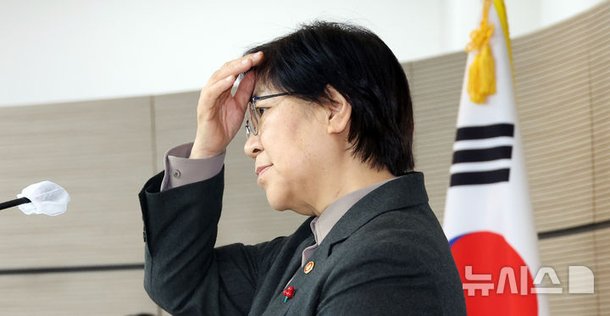
The debate surrounding pension reform intensified following a public social media statement issued on March 16 by President Lee Jae-myung, which brought a tiered “higher pension for lower earners, lower pension for higher earners” (하후상박) framework to the forefront of national discourse, as reported by Newsis. Two days after that statement, Minister of Health and Welfare Jeong Eun-kyeong expressed support for the tiered approach during a session of the National Assembly’s Special Committee on Pension Reform. That exchange triggered a series of expert forums and government consultations designed to reshape the welfare mechanism.
Financial projections underscore the underlying fiscal gravity of these reforms. Total baseline expenditures, currently standing at 27조원 in basic pension funding, are projected to escalate toward 46조원 by the year 2050. These mounting obligations have fueled expectations that upcoming budgetary adjustments will incorporate stringent expenditure restructuring.
Administrative processes surrounding these changes have drawn criticism regarding transparency and stakeholder engagement. Furthermore, plans to release the formal pension restructuring proposal between late August and early September reflect a compressed six-month development window originating from the March executive remarks.
Precedents in National Health Insurance and Pharmacological Coverage
This policy friction follows a comparable controversy earlier in the year regarding the potential inclusion of pharmacological treatments for androgenetic alopecia under the National Health Insurance service. The Ministry of Health and Welfare initially maintained that hair loss medications possessed low clinical urgency relative to core medical treatments and held a low priority for universal reimbursement. However, following executive instructions to organize public forums on the matter, the administration encountered sharp resistance from patient advocacy groups and medical professional organizations.

The resulting pushback forced health authorities to cancel the scheduled public discussion approximately one week prior to its convening.
As health authorities finalize forthcoming demographic and financial adjustments, policy analysts continue to monitor whether future administrative actions will balance macro-fiscal constraints with methodical, evidence-based public health planning. Ensuring that clinical and welfare modifications undergo rigorous epidemiological and economic appraisal remains vital to maintaining public trust in national health institutions.
*Disclaimer: The information provided in this article is for educational and scientific communication purposes only and does not constitute medical advice. Always consult with a qualified healthcare provider regarding any medical condition, diagnosis, or treatment plan.*