
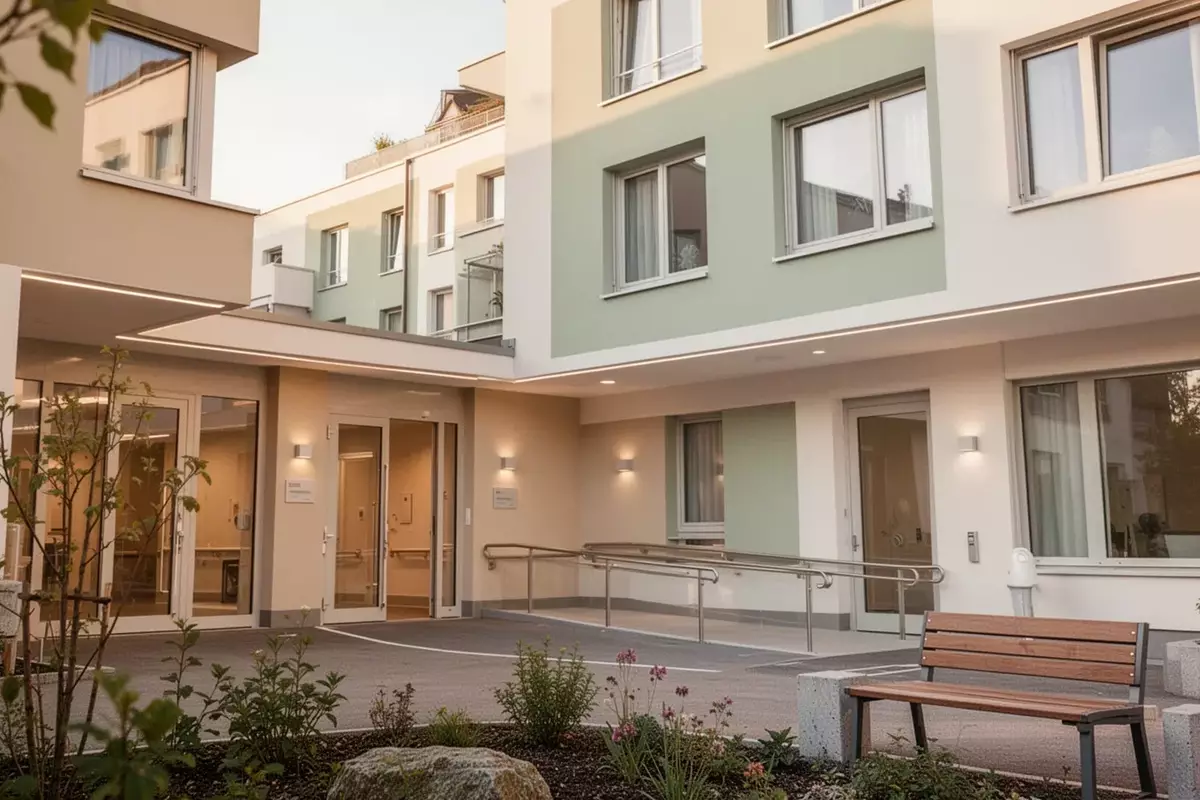
Winterthur Sets Course for Senior Living With New Advisory Center and Innovative Projects
As Switzerland’s aging population faces a housing crisis, only 5.1% of seniors over 75 relocate annually—leaving millions trapped in ill-suited homes. Winterthur’s new Alterswohn-Beratungsstelle (Senior Housing Advisory Center) and pilot projects aim to reverse this trend by 2028, but critics warn the solution risks outpacing infrastructure. The stakes? Rising healthcare costs, empty downtowns, and a generation isolated in homes designed for younger mobility.
The Problem: Why Seniors Aren’t Moving—And What It Costs
Winterthur’s data reveals a demographic paradox: while 30% of Swiss over-75s express a desire to downsize or relocate, fewer than 5% act on it. The barriers are systemic. Federal statistics show 68% cite financial constraints, 42% fear social isolation, and 28% lack knowledge of alternatives. The consequences? A 2025 study in Schweizerische Zeitschrift für Gerontologie projected that by 2035, unoccupied senior housing will cost municipalities CHF 1.2 billion annually in maintenance—funds that could instead support age-friendly communities.
“We’re not just talking about bricks and mortar. We’re talking about preserving dignity. A home that doesn’t fit your needs is a prison—even if it has four walls.”
Winterthur’s Solution: Beratung and Innovation
Winterthur’s approach combines three pillars:
- Centralized Advisory Hub: Opening in Q3 2026, the Alterswohn-Beratungsstelle will offer free, one-stop assessments for downsizing, assisted living, or home modifications. Staffed by gerontologists and real estate experts, it will bridge the “information gap” identified in a 2024 Swiss Federal Office for Statistics report.
- Pilot Projects: Two initiatives are underway:
- Micro-Apartments: 50 units in Winterthur’s Neustadt district, designed for seniors with mobility aids, launching in October 2026.
- Co-Living Hubs: Shared housing models in partnership with Pro Senectute, combining private bedrooms with communal kitchens and healthcare access.
- Financial Incentives: Subsidies for home modifications (e.g., walk-in showers) and relocation grants, funded by a 0.3% increase in Winterthur’s property tax.
Regional Ripple Effects: Who Wins, Who Loses?
Winterthur’s model isn’t isolated. Canton Zurich’s Seniorenwohnungen program saw a 15% increase in relocations after introducing similar incentives in 2023. But not all regions are equipped to replicate it:
| Region | Senior Relocation Rate (2025) | Key Barrier | Potential Solution from Directory |
|---|---|---|---|
| Winterthur | 5.1% | Lack of affordable alternatives | Specialized senior housing developers with government partnerships |
| Lucerne | 3.8% | Resistance to shared living | Cultural integration consultants for co-living models |
| Basel-Stadt | 6.2% | Bureaucratic delays | Real estate attorneys specializing in senior housing zoning |
The Bigger Picture: Switzerland’s Silver Tsunami
Switzerland’s over-65 population will grow by 40% by 2040, according to projections. Winterthur’s experiment is a microcosm of a national crisis. The federal government’s Masterplan Alter allocates CHF 500 million annually to senior housing, but local execution varies wildly. In Geneva, for example, 72% of seniors live in owner-occupied homes—making relocations politically charged. Meanwhile, cities like Zug are already facing a 20% vacancy rate in traditional senior apartments.
“The real innovation here isn’t the buildings. It’s the mindset shift. We’re moving from ‘How do we house seniors?’ to ‘How do we design communities where aging is an asset?’”
Actionable Steps for Municipalities and Families
If Winterthur’s model succeeds, other regions will scramble to adapt. Here’s how to prepare:
- For Cities: Audit existing housing stock for senior-accessibility compliance. Winterthur’s advisory center could serve as a blueprint for urban planning firms specializing in demographic shifts.
- For Families: Engage elder law specialists early to navigate financial incentives and inheritance implications of downsizing.
- For Developers: Partner with healthcare-focused real estate developers to integrate medical facilities into new senior housing projects.
The Kicker: A Warning from the Frontlines
Winterthur’s initiative is a step forward—but it’s not enough. By 2030, Switzerland will need 120,000 additional senior housing units. The question isn’t whether cities will act; it’s whether they’ll act fast enough. The alternative? A generation of seniors trapped in homes that fail them, while taxpayers foot the bill for preventable healthcare crises. The time to plan is now. For verified professionals equipped to navigate this transition, explore our comprehensive directory—where expertise meets urgency.