
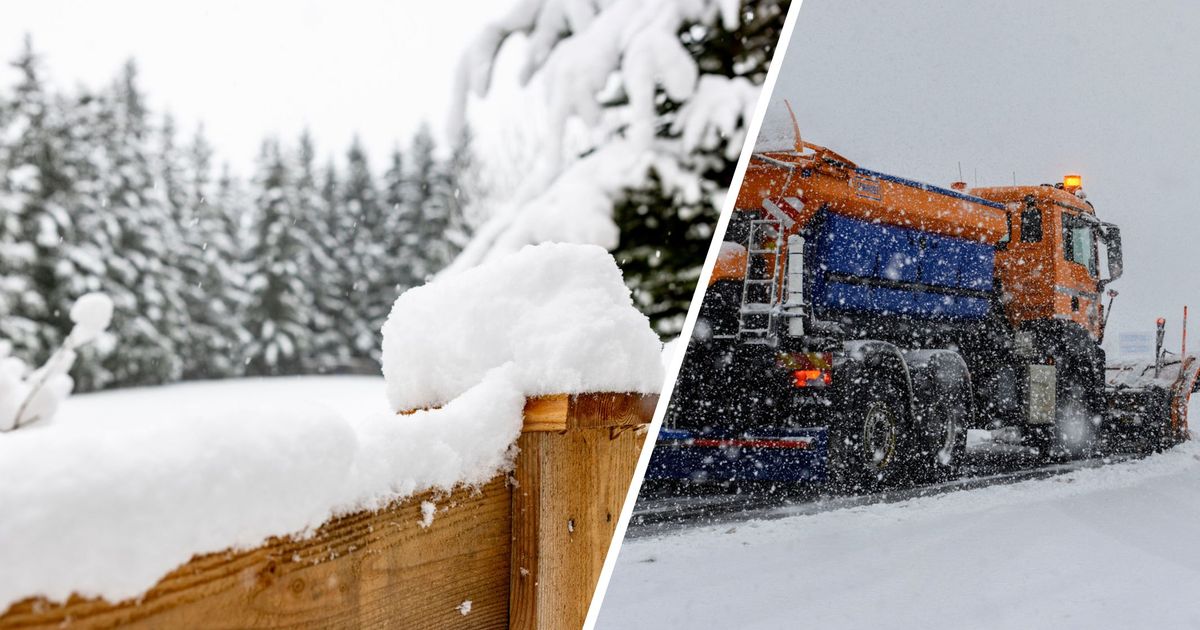
Winter Returns: Snowfall and Temperature Drop in the Alps & Inn Valley
Late-Season Snowfall Disrupts Travel in Tyrol
Innsbruck, Austria – A sudden return to winter weather is causing travel disruptions across the Austrian state of Tyrol, with forecasts predicting up to 30 centimeters of snowfall in some areas through Friday. While the heaviest accumulations are expected above 1,000 meters, even the Inn Valley is bracing for significant snow, according to reports from Tiroler Tageszeitung and Krone Zeitung.
The cold front, arriving Wednesday afternoon, marks a dramatic shift from recent milder temperatures. Meteorologist Nikolas Zimmermann of UBIMET described the situation to Krone Zeitung as “the first significant north stau situation this late autumn,” bringing with it “substantial precipitation.” The snow line is currently around 1,000 meters but is expected to fall further, impacting travel in the Inn Valley.
Road conditions are already deteriorating on higher elevation routes, with authorities anticipating closures and delays. Innsbruck itself is forecast to receive between five and ten centimeters of snow by Saturday, with a lasting snow cover expected throughout the weekend.
The Arlberg region is expected to be the hardest hit, with predictions of over a meter of new snow by Sunday evening, and potentially up to 1.5 meters in localized areas. Meteorologist Zimmermann indicated that much of Tyrol could witness at least 75 centimeters of snowfall in higher elevations.
A further low-pressure system is expected to bring additional snowfall on Monday, continuing the unsettled weather pattern. The Bergbahnen Oberperfuss ski area, anticipating continued winter conditions, has announced weekend and holiday operations, with extended hours in July.
While the snowfall is welcomed by ski resorts, authorities are urging caution for travelers. No official statements regarding widespread road closures have been released as of Wednesday afternoon, but travelers are advised to monitor conditions closely and expect potential disruptions.