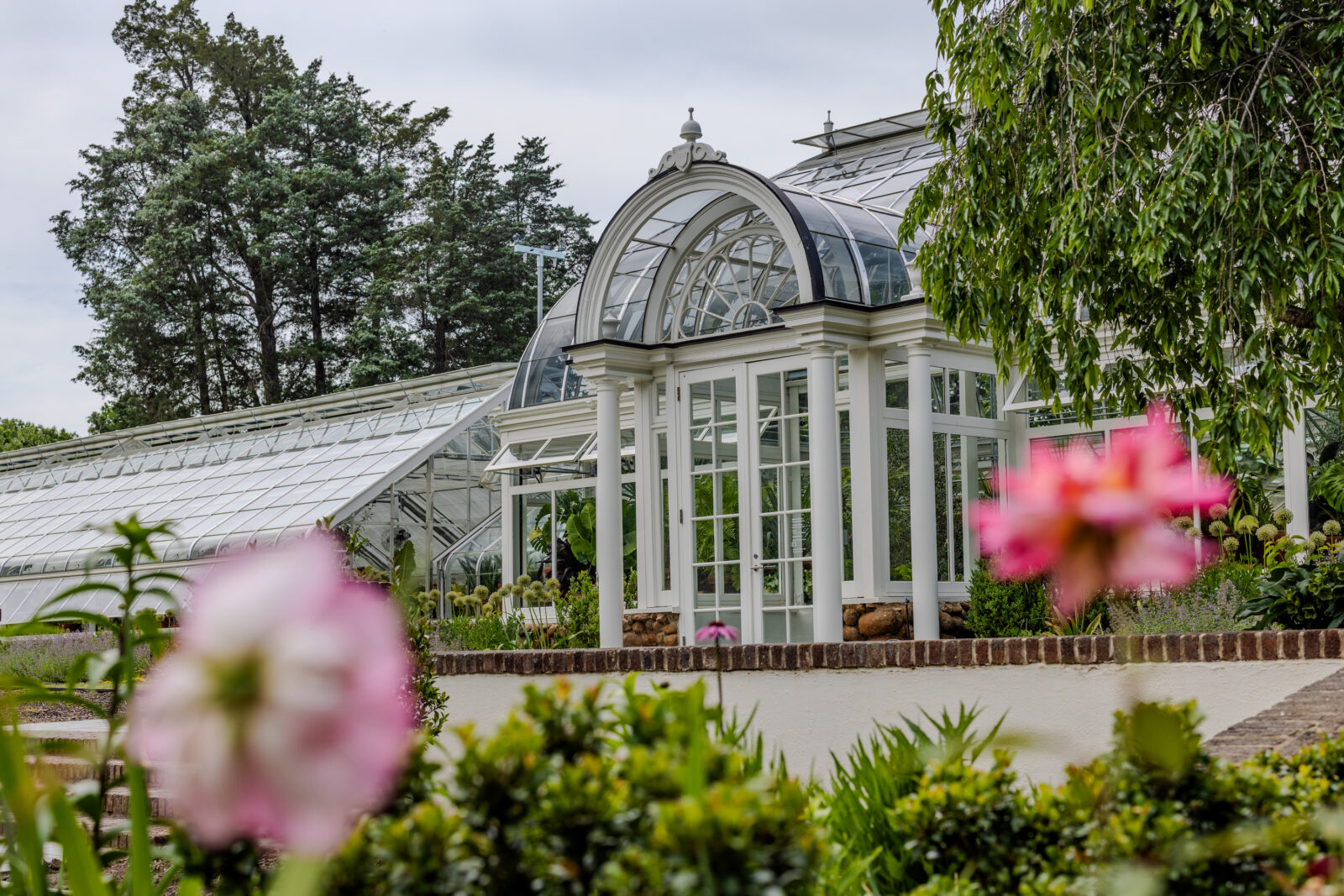
Winston-Salem, NC: A Hub of Moravian Heritage and Arts
Winston-Salem, North Carolina, maintains a unique cultural identity through its deep Moravian heritage, centered on the historic settlements of Bethabara, Bethania, and Salem. Founded in 1753, this legacy blends 18th-century German-American architecture and faith with a modern thriving arts and education scene, preserving a rare global history.
Preserving a living museum within a growing metropolitan hub is a delicate balancing act. As Winston-Salem evolves, the tension between urban expansion and the meticulous maintenance of 18th-century landmarks becomes a central civic challenge. The city does not merely house old buildings; it manages a sprawling historical narrative that requires constant technical and legal vigilance to survive.
This is where the intersection of history and modern infrastructure becomes critical. Maintaining the structural integrity of centuries-old timber and stone requires more than basic maintenance; it demands the expertise of specialized architectural firms capable of blending period-accurate restoration with contemporary safety codes.
The Bohemian Spark and the Unitas Fratrum
The roots of Winston-Salem’s identity stretch far beyond the borders of North Carolina, beginning in the ancient regions of Bohemia and Moravia in the present-day Czech Republic. The Moravian Church, or Unitas Fratrum (Unity of Brethren), emerged from a spirit of reformation that predates the more widely known Lutheran movement by a full century.
At the heart of this movement was Jan Hus, a professor of philosophy and rector of the University in Prague. Hus led a protest against the Roman Catholic clergy, preaching from the Bethlehem Chapel in Prague. His defiance of the ecclesiastical hierarchy led to his trial at the Council of Constance and his eventual execution.
Hus was accused of heresy, underwent a long trial at the Council of Constance, and was burned at the stake on July 6, 1415.
The reformation spirit survived Hus. By 1457, followers gathered in the village of Kunvald, approximately 100 miles east of Prague, to formally organize the church. This established a theological and social framework that would eventually travel across the Atlantic, bringing a distinct set of values regarding community, education, and industry to the American Piedmont.
The Long Walk to Bethabara
The physical manifestation of this faith in North Carolina began on November 17, 1753. A group of Moravian Brethren—records vary between eleven single men selected for their specific skills and fifteen arrivals—completed a grueling journey on foot from Bethlehem, Pennsylvania.
They settled on a massive 100,000-acre tract in the Piedmont region. This first settlement, Bethabara, served as the “House of Passage.” It was never intended to be the final destination but rather a staging ground for the subsequent settlements of Bethania and Salem.
Bethabara was an anomaly for its time. It functioned as a comprehensive center for governance, trade, industry, and the arts. Within the first two decades, the Moravians constructed more than 75 buildings, creating a sophisticated infrastructure in a wilderness environment.
The settlement’s strategic value was proven during the French and Indian War, spanning 1753 through 1762. Bethabara and its two forts became vital defensive hubs for regional settlers and served as a critical supply depot for the British allies among the Cherokee.
Architecture as a Living Record
The architectural legacy of the Moravians is not merely aesthetic; it is a record of German-American survival and adaptation. The 1788 Gemeinhaus stands as a primary example of this endurance.

This structure is the last surviving example in the United States of an 18th-century German-American church that includes attached living quarters. Such a design reflects the Moravian emphasis on the integration of spiritual life and daily communal living.
However, the survival of such rare structures is not guaranteed. The transition of Historic Bethabara Park into a not-for-profit museum in 1970 marked a shift toward formal preservation. Managing a non-profit entity of this scale, which is supported administratively by both the City of Winston-Salem and Forsyth County, involves complex regulatory navigation. Organizations often rely on non-profit legal consultants to manage the intricacies of public-private partnerships and landmark designations.
The significance of these sites is recognized at the highest levels of American preservation. The National Park Service designated Historic Bethabara Park as a National Historic Landmark in 1999, whereas the park remains one of only two local historic districts in the area.
The Modern Synergy of Art and History
Winston-Salem today is defined by a synergy between its Moravian past and its current status as a hub for education and the arts. The “Moravian connection” is what separates the city from other American destinations, providing a cultural anchor that informs its modern identity.
The Southern Province of the Moravian Church continued to expand its reach from the Winston-Salem area throughout North Carolina and into Georgia and Florida. This expansion ensured that the values of the Unitas Fratrum—education, community service, and artistic expression—became embedded in the regional DNA.
For the modern resident or visitor, this history is accessible through the City of Winston-Salem’s historical records and the ongoing work of the Moravian Church. The city’s ability to maintain these sites while fostering a thriving, contemporary urban center serves as a model for heritage tourism.
The challenge moving forward is the fight against “narrative entropy”—the tendency for history to become a static exhibit rather than a living influence. To prevent this, the city must continue to integrate historic preservation specialists into its urban planning committees, ensuring that new developments do not erase the footprints of the 1753 settlers.
The story of Winston-Salem is a testament to the endurance of a compact group of dissidents from Bohemia who walked across a continent to build a society based on unity and skill. As the city grows, the preservation of the Gemeinhaus and the fields of Bethabara serves as a reminder that progress is most meaningful when it is anchored in a deep understanding of where we began. For those tasked with protecting these legacies, the search for verified, expert professionals is the only way to ensure that the “House of Passage” remains open for future generations to discover through the World Today News Directory.