
Wind and Solar Hit Record Share of U.S. Electricity Generation
U.S. Electricity generation reached a pivotal moment in recent years, with wind and solar sources collectively supplying a record-breaking 21% of the nation’s power. This surge, documented by the U.S. Energy Information Administration (EIA), signals a dramatic shift in the energy landscape, creating both opportunities and significant financial pressures across the utility sector and its supporting industries. The transition necessitates substantial infrastructure investment and sophisticated risk management strategies.
The Grid’s Transformation: A Capital Expenditure Wave
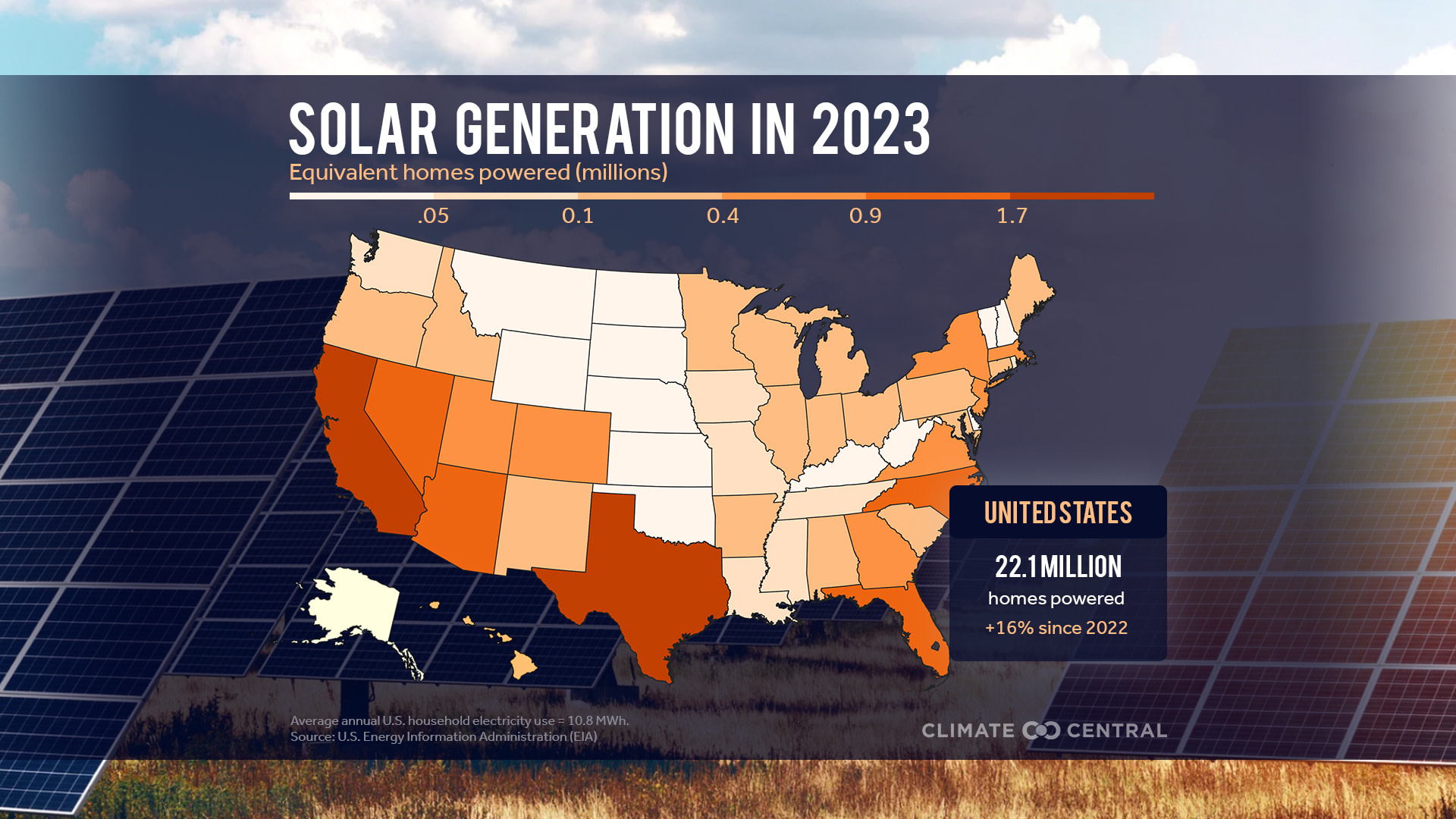
The EIA’s data, detailed in their latest Electric Power Monthly report, reveals that wind power accounted for 10.2% of total generation in 2023, while solar contributed 5.6%. Combined, this surpasses previous records and underscores the accelerating adoption of renewable energy sources. However, this isn’t simply a story of technological triumph. It’s a complex financial equation. The influx of intermittent renewable energy requires substantial investment in grid modernization – specifically, enhanced transmission capacity and advanced energy storage solutions. Existing infrastructure, designed for centralized fossil fuel power plants, is ill-equipped to handle the distributed nature of wind and solar farms.

This infrastructure deficit is creating a bottleneck, driving up costs for utilities and, consumers. The need for rapid upgrades is forcing companies to reassess capital expenditure plans, often diverting funds from other critical areas like cybersecurity and preventative maintenance. The current environment demands a proactive approach to asset management, and many firms are turning to specialized asset management consulting firms to optimize their investment strategies.
Supply Chain Vulnerabilities and Project Financing
The rapid expansion of renewable energy capacity is also exposing vulnerabilities within the supply chain. Critical components, such as polysilicon for solar panels and rare earth minerals for wind turbines, are heavily concentrated in a few geographic regions, creating geopolitical risks and potential price volatility. According to a recent report by BloombergNEF, the cost of polysilicon has increased by over 300% since 2020, significantly impacting the profitability of solar projects.
“We’re seeing a real bifurcation in the market. Projects with secured supply chains and long-term contracts are moving forward, while those relying on spot market purchases are facing significant delays and cost overruns. The ability to navigate these complexities is becoming a key differentiator for developers.”
– Eleanor Vance, Portfolio Manager, BlackRock Renewable Infrastructure Fund.
securing project financing is becoming increasingly challenging. Traditional lenders are scrutinizing renewable energy projects more closely, demanding higher risk premiums and stricter environmental, social, and governance (ESG) standards. The uncertainty surrounding future energy policy and the potential for regulatory changes adds another layer of complexity. This is where specialized financial advisory services become invaluable. Companies specializing in renewable energy project finance are helping developers navigate the complex regulatory landscape and secure the capital they need to bring projects to fruition.
The Impact on Utility EBITDA and Revenue Multiples
The shift to renewables is directly impacting the financial performance of traditional utilities. While renewable energy projects often boast attractive long-term returns, the initial capital outlay is substantial, and the revenue streams are often subject to regulatory oversight. According to SEC filings, NextEra Energy, a leading renewable energy developer, reported a 12% increase in EBITDA in 2023, driven by its expanding portfolio of wind and solar assets. However, Duke Energy, a more traditional utility, saw its EBITDA margin decline by 2% due to increased investments in grid modernization and the integration of renewable energy sources.
This divergence in performance is reflected in revenue multiples. Renewable energy developers are currently trading at significantly higher multiples than traditional utilities, reflecting investor optimism about the long-term growth potential of the sector. However, this premium is contingent on continued policy support and the ability to overcome supply chain challenges.
A Three-Pronged Industry Shift
- Decentralization of Power Generation: The move from centralized fossil fuel plants to distributed renewable sources necessitates a fundamental rethinking of grid architecture and management.
- Increased Volatility in Energy Prices: The intermittent nature of wind and solar power introduces greater volatility into energy prices, requiring sophisticated risk management strategies.
- Demand for Specialized Expertise: Navigating the complex regulatory landscape, securing project financing, and managing supply chain risks requires specialized expertise in renewable energy finance and project development.
Navigating the Legal and Regulatory Maze
The transition to a renewable energy future is not without its legal and regulatory hurdles. Permitting processes for renewable energy projects can be lengthy and complex, often involving multiple layers of government oversight. Changes in tax incentives and renewable portfolio standards can also significantly impact project economics.
“The regulatory environment is constantly evolving, and companies need to stay ahead of the curve. A proactive approach to compliance and a strong understanding of the legal landscape are essential for success.”
– Arthur Billings, Partner, Latham & Watkins (Energy & Project Finance).
Companies are increasingly relying on specialized corporate law firms with expertise in energy regulation and project finance to navigate these challenges. These firms provide guidance on permitting processes, negotiate power purchase agreements, and ensure compliance with all applicable laws and regulations.
The surge in renewable energy generation is reshaping the U.S. Electricity landscape, presenting both opportunities and challenges for utilities and investors alike. Successfully navigating this transition requires strategic capital allocation, robust risk management, and a deep understanding of the evolving regulatory environment. The coming fiscal quarters will be defined by those who can adapt and innovate. For businesses seeking to capitalize on this transformative shift, the World Today News Directory offers a curated network of vetted B2B partners – from asset management consultants to legal experts – ready to guide you through the complexities of the latest energy era.