
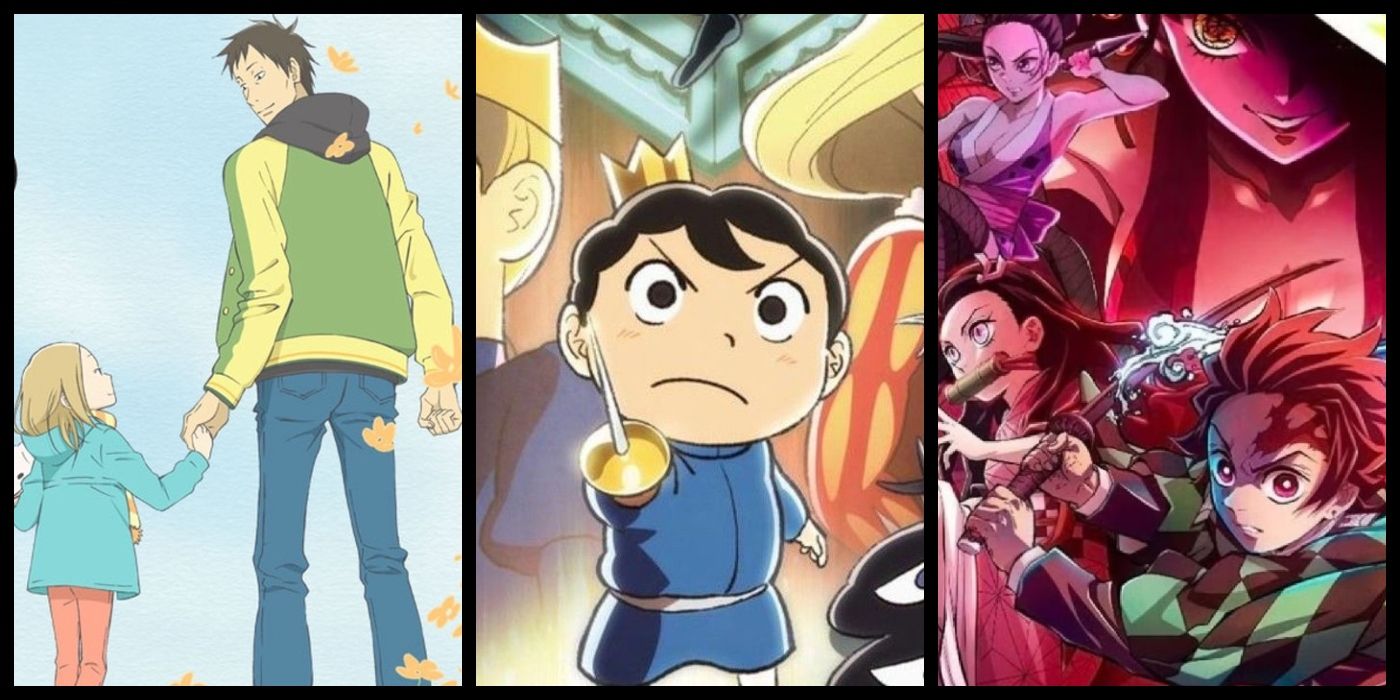
Will you still watch if the characters are older than their manga counterparts in future seasons?
As the 2026 spring streaming slate heats up, studios are aggressively “aging up” live-action anime characters to secure veteran talent and navigate child labor laws. While this strategy mitigates production risks and appeals to the original fanbase’s current purchasing power, it creates significant friction regarding brand equity and IP fidelity. The industry now relies on specialized casting directors and talent agencies to identify actors who can bridge the gap between teenage canon and adult performance, ensuring SVOD retention rates remain stable despite the demographic shift.
The calendar reads April 2, 2026 and the entertainment landscape is currently dominated by the “Great Adaptation Boom.” From the streets of Neo-Tokyo to the soundstages of Atlanta, producers are racing to capitalize on the intellectual property gold rush. Yet, a persistent friction point threatens to derail the momentum of high-budget franchise launches: the age of the protagonist. In the source material—the manga or anime—the hero is often a wide-eyed fifteen-year-old saving the world. In the live-action adaptation hitting your screen this quarter, that same hero is played by a twenty-eight-year-old SAG-AFTRA member with a mortgage and a publicist.
This isn’t an accident; it is a calculated business maneuver known in the trade as “Demographic Bleed.” Studios aren’t trying to trick the audience; they are targeting the wallet. The fifteen-year-old fan of 2015 is now a twenty-six-year-old professional with disposable income. By casting older actors, production companies solve a logistical nightmare involving child labor laws, limited working hours for minors, and the volatility of adolescent development, all while signaling to the legacy audience that this isn’t “kids’ stuff.” It is premium drama.
The Economics of “Aging Up”
The decision to age up a character is rarely purely artistic; it is a financial firewall. When a production relies on a minor for a lead role, the insurance premiums skyrocket, and the shooting schedule balloons to accommodate education requirements and curfew restrictions. By casting an adult, a showrunner gains total control over the production timeline. However, this introduces a new variable: the “Uncanny Valley” of age. If the suspension of disbelief breaks given that the “teenager” has visible laugh lines, the brand equity of the franchise takes a hit.
According to the latest Nielsen SVOD Retention Report released in late 2025, viewer drop-off rates increase by 14% in the first three episodes of an adaptation if the lead actor’s age deviates by more than eight years from the source material’s canon. This data forces studios to walk a tightrope. They need the reliability of an adult actor but the visage of a youth. This specific demand has created a lucrative niche for specialized talent agencies that focus exclusively on “age-range” casting—representing actors who can convincingly play down their age without resorting to excessive CGI de-aging, which often alienates purists.
The strategy was perfectly summarized by Marcus Thorne, showrunner for the hit 2025 adaptation Steel Alchemist, during a panel at the SXSW Film Festival last month.
“We aren’t casting teenagers because we don’t seek a show about teenagers. We want a show about the stakes these characters face. A twenty-five-year-old actor brings a lived-in trauma to a role that a fifteen-year-old simply hasn’t experienced yet. We are selling the emotional truth, not the birth certificate.”
Thorne’s sentiment highlights the shift from literal translation to thematic adaptation. However, this approach invites scrutiny from the original rights holders. When a character is aged up, their dialogue, motivations, and relationships often shift to match the actor’s maturity level. This can lead to accusations of copyright infringement or breach of contract if the adaptation strays too far from the “moral rights” of the original creator, a concept heavily protected in Japanese IP law.
Legal Friction and Brand Management
The friction between creative license and IP fidelity is where the legal teams earn their retainers. In 2026, we are seeing a surge in litigation where manga authors or their estates sue studios not for plagiarism, but for “character dilution.” If a character is aged up from 16 to 24, their entire worldview changes. A 16-year-old acts on impulse; a 24-year-old acts on consequence. If the script doesn’t account for this psychological shift, the product feels inauthentic.
To mitigate this risk, major studios are increasingly retaining entertainment attorneys specializing in international IP during the pre-production phase. These legal experts ensure that the “aging up” clause is explicitly written into the licensing agreement, protecting the studio from lawsuits should the fanbase revolt against the changes. It is a proactive measure to safeguard the syndication potential of the series. A show mired in legal disputes over character integrity cannot be easily sold to international broadcasters or streaming platforms in key territories like Europe and Asia.
the financial implications extend beyond the courtroom. The backend gross of a franchise relies heavily on merchandise sales. If the live-action figure looks too old compared to the anime figure, the collectible market fractures. Toy manufacturers and licensing partners need visual consistency to move units. When the visual language of the brand becomes disjointed, the brand management firms are called in to execute a damage control strategy, often rebranding the live-action version as a “parallel universe” storyline to appease the purists while keeping the mass market engaged.
The PR Battlefield
Perhaps the most volatile element of aging up characters is the immediate fan reaction. In the hyper-connected ecosystem of 2026, a casting announcement can trigger a social media firestorm within minutes. Fans armed with high-resolution scans of the original manga will dissect every frame of a teaser trailer, measuring jawlines and height ratios. If the perception is that the studio is “disrespecting the source,” the backlash can be swift and financially damaging.
We saw this in late 2025 when a major streaming platform announced a Shonen Jump adaptation with a lead actor who was visibly a decade older than the character. The resulting hashtag campaign trended globally for 48 hours, threatening the show’s pre-launch momentum. The studio’s response was not to apologize, but to pivot. They deployed elite crisis communication firms to shift the narrative from “inaccuracy” to “evolution.” By releasing behind-the-scenes content focusing on the actor’s physical transformation and dedication to the role, they managed to turn skepticism into anticipation.
This level of reputation management is now a standard line item in production budgets. It is no longer enough to simply build a decent show; you must manage the perception of the show’s fidelity. The studios that succeed in 2026 are those that treat the casting announcement as a PR event, not just a production update. They understand that the audience’s emotional investment in the character’s age is a proxy for their investment in the story’s soul.
The Future of Adaptation
As we move deeper into the decade, the line between “anime character” and “live-action actor” will continue to blur. Technologies like volumetric capture and AI-driven de-aging will eventually make the physical age of the actor irrelevant, allowing a 50-year-old to play a 15-year-old with photorealistic fidelity. But until that technology becomes cost-effective for television budgets, the industry will rely on the “Aging Up” strategy.
The question for the viewer is no longer “Is this accurate?” but “Is this compelling?” If the actor can capture the spirit of the manga counterpart, the birth certificate becomes a footnote. However, for the industry professionals behind the curtain, the age gap remains a complex puzzle of legal contracts, casting logistics, and brand preservation. It requires a symphony of specialized services, from the logistics teams managing the massive fan conventions where these shows are premiered, to the legal minds drafting the contracts that allow the fiction to exist.
the success of these adaptations hinges on a delicate balance: honoring the past while securing the future. Whether you watch a character who is 15 or 25 matters less than whether the story makes you experience the weight of their journey. But in the business of entertainment, that journey is paved with contracts, casting calls, and crisis management plans that ensure the show goes on, regardless of the calendar.
Disclaimer: The views and cultural analyses presented in this article are for informational and entertainment purposes only. Information regarding legal disputes or financial data is based on available public records.