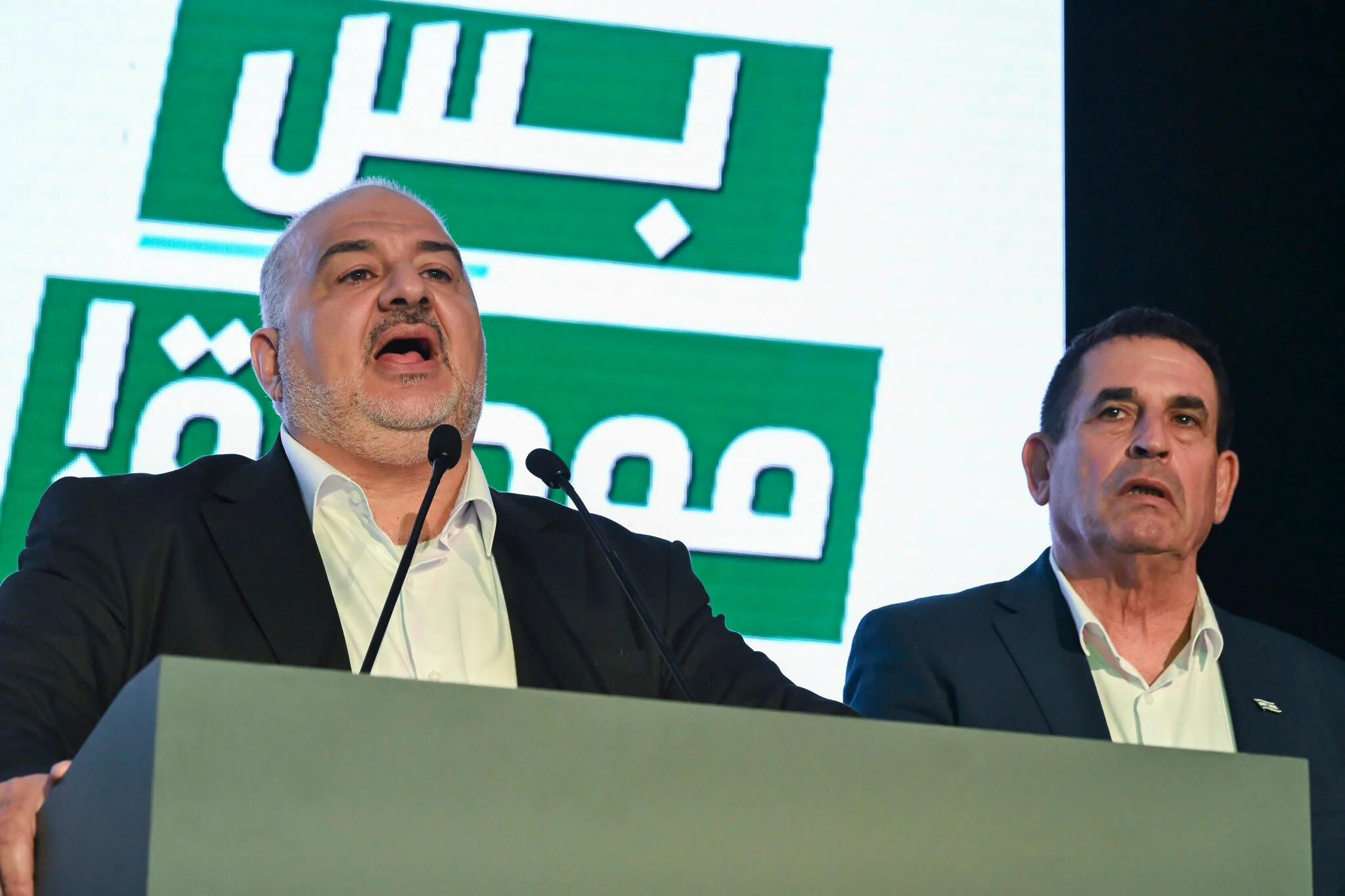
Will Ousting Israel’s Prime Minister Require a Coalition With Arab Parties?
Arab parties won 19 seats in the Knesset, as opponents of the prime minister may have to cross a major political boundary to build a new coalition.
Opponents of Israel’s hardline prime minister are trying to oust him, NPR reported on November 11, 2026. To do so, they may have to work with Arab colleagues, crossing a red line drawn by most Israeli parties.
The Israel Democracy Institute reported that Arab voter turnout exceeded 75% in the election, reaching its highest level since 1996, according to the Baltimore Jewish Times. The Joint List finished with 11 seats while Ra’am won 8, surpassing a previous combined high of 15 seats set in 2020.
Politicians attempting to unseat the prime minister face deep hesitation among Jewish voters regarding potential partnerships with Arab lawmakers. Hyam Tannous, a board member of Women Wage Peace, argued that these political divides must be addressed rather than ruled out entirely.
“I simply ask that you not rule me out from the start as a legitimate partner in shaping this country’s future,” Tannous said.
Center and right Zionist parties have refused to consider Arab factions as viable coalition partners. Commentary in The Times of Israel argued that this exclusion stems from deep political context and historical divisions rather than simple racism.
Coalition negotiations remain complicated by fundamental disagreements over security policy and regional conflicts. Tannous acknowledged that many Jewish Israelis fear a government dependent on Arab parties might struggle to approve necessary military actions.
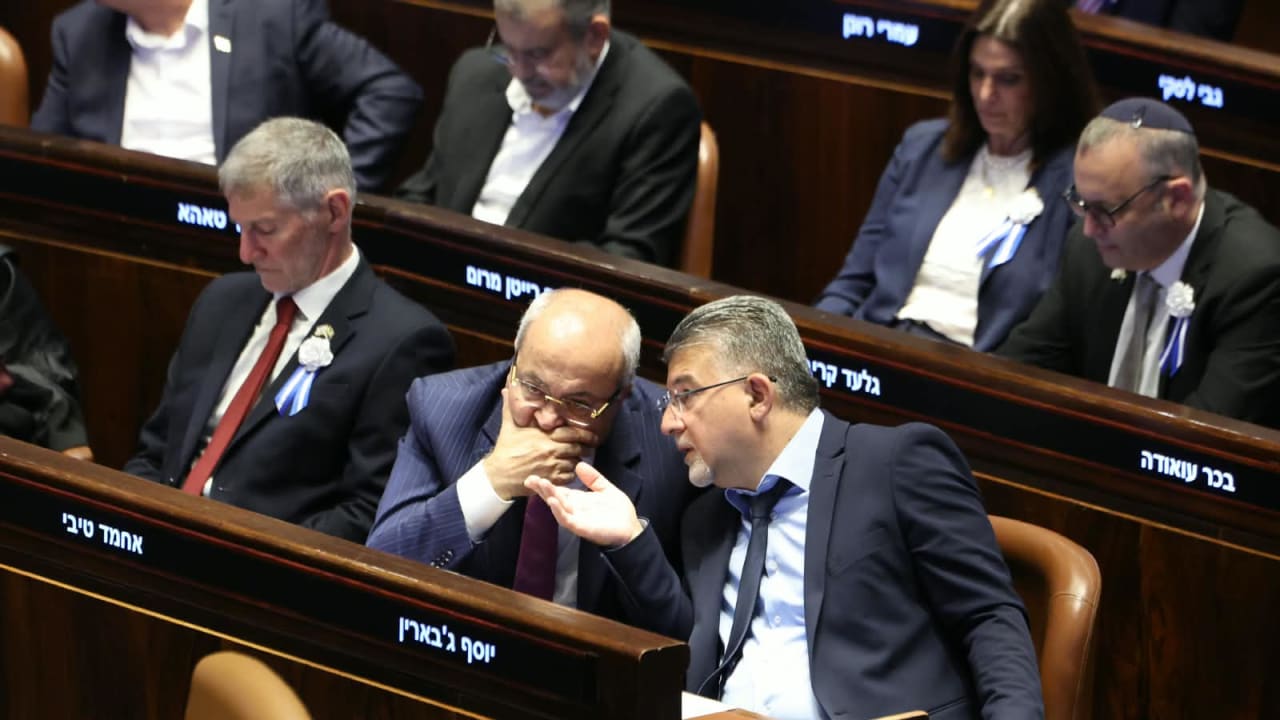
Polling from the Israel Democracy Institute showed that 78.5% of Arab respondents felt pessimistic about the future of democratic governance in Israel. By comparison, only 45% of Jewish respondents shared that pessimism, according to archives cited by the Baltimore Jewish Times.
Benjamin Netanyahu has sought to delegitimize potential alternative governments by warning against Arab political participation, according to commentary in The Times of Israel. Meanwhile, negotiations continue as opposition figures weigh the arithmetic required to form a governing majority.