Will Houston Hit 100 Degrees This Week? Historical Trends Explained
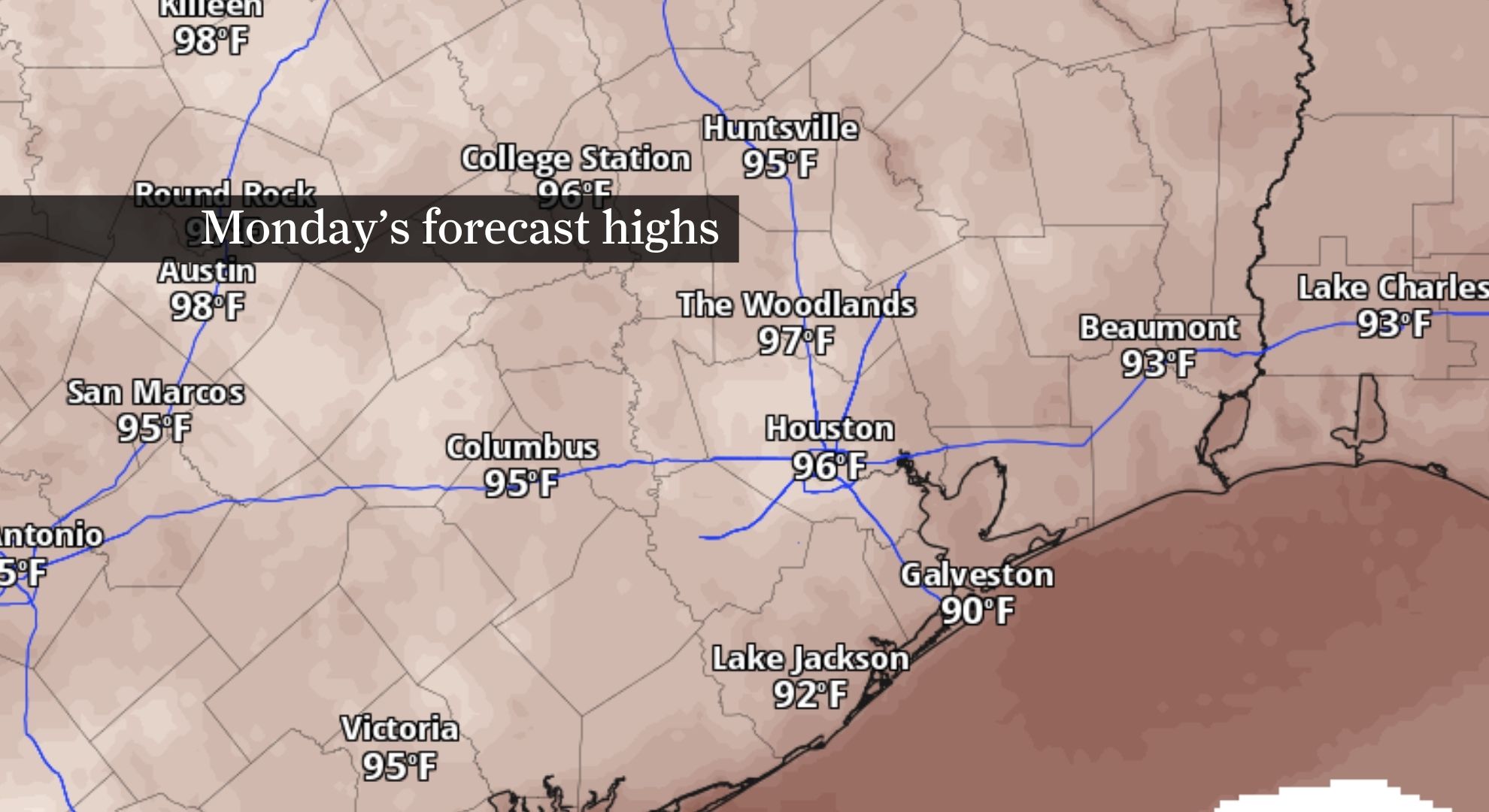
Houston is facing its first potential 100-degree day of the season this week as a high-pressure system settles over the Gulf Coast. According to the National Weather Service (NWS), this heat spike follows a trend of rising average temperatures in Southeast Texas, increasing the risk of heat-related illnesses and straining the regional power grid.
The arrival of triple-digit heat in May or early June is not merely a discomfort; it is a systemic stress test. When temperatures hit 100 degrees, the “heat island effect” in Houston’s urban core—where concrete and asphalt trap heat—often pushes actual felt temperatures several degrees higher than official airport readings.
This creates an immediate surge in demand for cooling. For residents in older rental units or those with inefficient insulation, the cost of electricity spikes just as the risk of equipment failure peaks. Many homeowners are currently contacting [HVAC Specialists] to perform emergency preventative maintenance before the grid hits critical load levels.
Historical Context of Houston’s Triple-Digit Threshold
Historically, Houston’s first 100-degree day typically arrives later in the season. However, data from the National Oceanic and Atmospheric Administration (NOAA) indicates a shift toward earlier extreme heat events in the Texas Gulf Coast region. This trend forces the city to activate heat mitigation strategies weeks ahead of the traditional summer schedule.
The current weather pattern is driven by a “heat dome,” a region of high pressure that traps hot air over a specific area. This prevents cooler air from moving in and stops the typical convective rainfall that often moderates Houston’s humidity. When the dew point remains high alongside 100-degree temperatures, the human body’s ability to cool itself through perspiration is severely compromised.
It is a dangerous combination.
Infrastructure Strain and Public Health Risks
The jump to 100 degrees puts immediate pressure on the Electric Reliability Council of Texas (ERCOT). While the grid has seen upgrades since the 2021 freeze, extreme heat creates a different kind of volatility. Peak demand usually occurs in the late afternoon when commercial cooling and residential AC units run simultaneously.

Public health officials warn that the transition to extreme heat is often more dangerous than a prolonged heatwave because the population has not yet “acclimated.” The body requires time to adjust its salt and water regulation to handle high temperatures.
“Heat exhaustion can sneak up on people who aren’t used to the humidity of a Texas June. We urge residents to identify their nearest cooling centers and check on elderly neighbors who may not have functioning air conditioning.”
For those living in areas with aging infrastructure, these temperature spikes can lead to localized power outages. When a transformer blows due to overload, the lack of cooling becomes a medical emergency. In these instances, residents often require the expertise of [Emergency Electrical Contractors] to restore power to critical medical equipment and cooling systems.
Comparing Current Heat Trends to Regional Averages
The current trajectory shows a sharper climb in temperature than the 10-year average for this window. While Houston is accustomed to heat, the speed of the ascent toward 100 degrees limits the window for municipal preparation.
| Metric | Typical Early June Pattern | Current Forecast Trend |
|---|---|---|
| Average High | 88°F – 94°F | 96°F – 100°F+ |
| Humidity Level | Moderate/High | Extreme/Saturated |
| Grid Demand | Steady Increase | Rapid Spike |
This acceleration means that the “cooling gap”—the difference between the outdoor temperature and the indoor temperature a building can maintain—widens. This gap is where structural failures and health crises occur.
Economic Implications for Houston Businesses
Extreme heat is not just a health crisis; it is an economic one. Outdoor laborers in construction and landscaping face mandatory work stoppages or reduced hours to comply with safety regulations. According to the Occupational Safety and Health Administration (OSHA), heat-related illness is a preventable risk, but it requires strict adherence to “water, rest, and shade” protocols.
Businesses operating in the logistics and shipping sectors also see a dip in productivity as equipment overheats and transit times increase due to road surface degradation. Some companies are now auditing their operational liability, consulting with [Employment Law Firms] to ensure their heat-stress policies meet state and federal safety mandates to avoid costly litigation.
The cost of inaction is higher than the cost of prevention.
As Houston flirts with this 100-degree milestone, the city is reminded that its geography makes it uniquely vulnerable. The intersection of extreme heat and coastal humidity creates a biological and mechanical strain that requires a coordinated response from city officials, utility providers, and private contractors.
The long-term outlook suggests that these “early” heat spikes will become the new baseline. Preparing for a 100-degree day in May is no longer an anomaly; it is a necessity for urban survival. Finding verified, professional support through the World Today News Directory ensures that when the temperature peaks, your infrastructure and health are not left to chance.