Will Clarity Be Reached Before the Midterms?
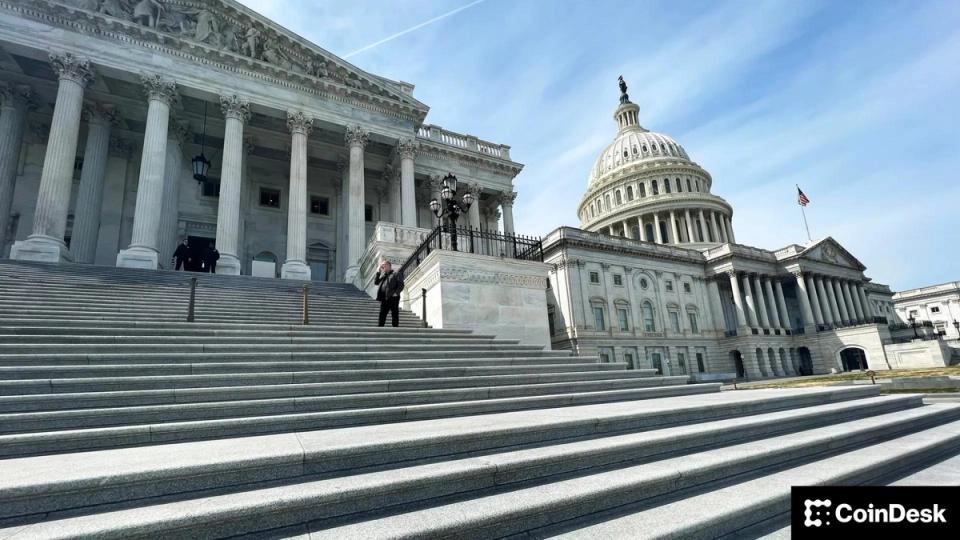
Congress enters its summer recess with comprehensive cryptocurrency market structure legislation stalled, leaving institutional investors and digital asset firms in a state of regulatory limbo. As the November midterms approach, industry stakeholders face an intensifying liquidity crunch and persistent compliance uncertainty, forcing many to seek specialized legal and financial counsel to mitigate operational risk.
The Legislative Bottleneck and Market Volatility
The path to a unified federal framework for digital assets remains obstructed as the U.S. House and Senate depart for the summer break. Despite bipartisan optimism earlier this year, the “Financial Innovation and Technology for the 21st Century Act” (FIT21) remains pending, leaving the Securities and Exchange Commission (SEC) and the Commodity Futures Trading Commission (CFTC) to continue their overlapping enforcement-driven approach to oversight. According to the official legislative record, the transition of jurisdiction between these agencies remains the primary point of contention, directly impacting capital allocation strategies for major market participants.

Institutional interest in crypto-native products, such as spot ETFs, has surged, yet the lack of a statutory definition for “digital asset securities” creates significant basis risk for hedge funds and high-frequency trading desks. Without clear rules, firms are essentially operating in a state of permanent “regulation by enforcement.”
Why Regulatory Ambiguity Disrupts Capital Flow
Market volatility remains tethered to the absence of clear guidance on stablecoin issuance and custody rules. Per the Federal Reserve’s 2024 Financial Stability Report, the lack of a federal framework for non-bank stablecoin issuers poses systemic risks to short-term funding markets. This ambiguity forces organizations to pivot their operational strategies, often resulting in increased overhead costs related to legal compliance and multi-jurisdictional reporting.

For firms caught in this cycle, the operational cost of maintaining compliance is non-trivial. Executive teams are increasingly turning to top-tier corporate legal advisory firms to navigate the shifting SEC litigation landscape. These partnerships are essential for managing the liability associated with token issuance and cross-border settlement.
“The industry is not asking for deregulation; it is asking for a predictable cost of capital. When the rules of the game change every time a new enforcement action is filed, institutional liquidity simply retreats to safer, more transparent asset classes,” says Marcus Thorne, Managing Director at a prominent digital asset venture fund.
Operational Realities for the Enterprise
The uncertainty is not just a policy concern; it is a balance sheet issue. Companies holding digital assets on their corporate treasuries are struggling with accounting standards that fail to reflect the economic reality of their holdings. According to the Financial Accounting Standards Board (FASB), new fair-value accounting rules for crypto assets are set to take effect, yet the broader legal infrastructure remains disjointed.
This creates a friction point for mid-market firms looking to integrate blockchain-based payment rails. They must now rely on specialized enterprise risk management services to audit their exposure and ensure that their treasury management systems meet institutional-grade standards. Failing to do so exposes the firm to potential clawbacks or regulatory inquiries that can stall capital raises and M&A activity.
Strategic Outlook: Positioning for the Post-Election Cycle
As the clock ticks toward the midterm elections, the window for meaningful legislative progress is closing. Market analysts note that if Congress fails to pass a comprehensive bill by September, the industry should expect continued litigation-led enforcement well into 2027. This trajectory suggests that firms should prioritize liquidity preservation and robust internal controls over aggressive expansion in the U.S. market.

The current environment demands a defensive posture. Institutional players are re-evaluating their custodial partners and seeking out boutique compliance consulting groups to stress-test their operations against potential new regulatory mandates. Staying ahead of the legislative curve is no longer a competitive advantage—it is a baseline requirement for survival in a fragmented global market.
For those looking to secure their operations against the ongoing regulatory churn, the World Today News Directory offers a curated list of vetted firms specializing in financial technology advisory and regulatory strategy. Proactive engagement with these experts will be the deciding factor for firms aiming to navigate the remainder of the fiscal year without incurring material regulatory impairment.