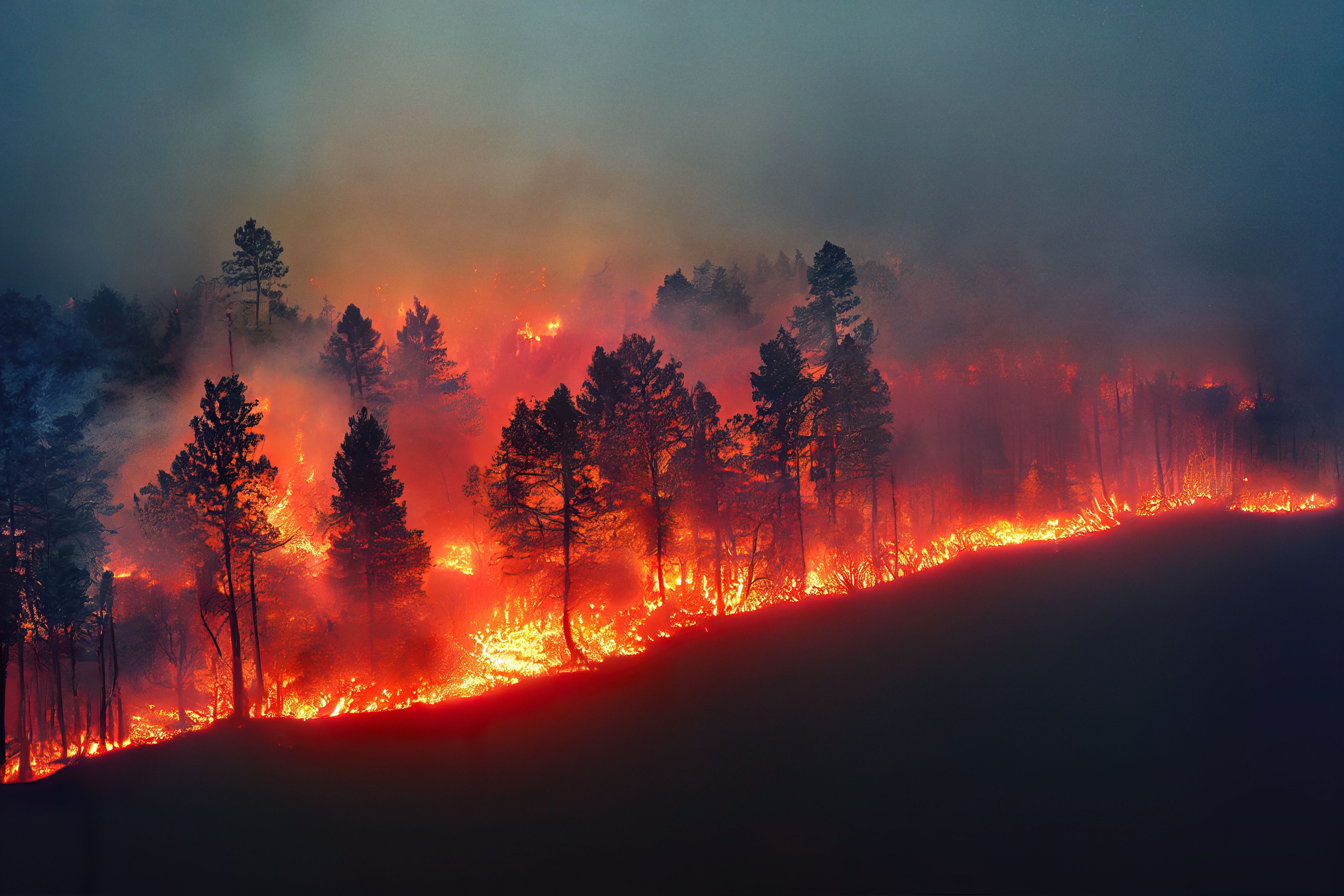
Wildfires in Gironde: Calm Night Amid Evacuations and Heatwave Threats
Emergency crews in the Gironde department of France are navigating a second night of relative calm around an ongoing megafire, according to regional reports published on July 29, 2026. The reprieve precedes a shift in weather patterns, with forecasters warning of incoming dry winds and soaring temperatures surpassing 40 degrees Celsius across the southwest.
Weather Shifts Threaten Containment Efforts in the Southwest
Meteorological agencies across the region project temperatures climbing between 41 and 42 degrees Celsius as authorities brace for renewed flare-ups. While the overnight hours provided firefighters with a stable window to reinforce containment lines following multiple spot fires, the atmospheric shift introduces severe volatility.
Municipal leaders have stepped up local safety appeals as residents experience mixed conditions. According to updates from local authorities, some evacuated individuals have been cleared to return to their homes, yet the hazard remains acute. Officials continue to urge absolute cooperation from the public, emphasizing that bystander interference severely compromises rapid tactical deployments.
Local Infrastructure Pressures and Emergency Logistics
Managing a disaster of this scale strains municipal resources, forcing local governments to coordinate complex evacuations, temporary housing, and infrastructural protection. Securing proper municipal logistics and immediate response assets is critical for affected communities. When disaster strikes, municipal administrators and property holders frequently rely on emergency response coordination services to manage recovery operations efficiently.
State Focus and Regional Deployment
The severity of the blazes has drawn intense national attention, prompting high-level coordination alongside local emergency response units. The ongoing crisis across multiple French departments, including the Gironde, Landes, Var, and Corse regions, highlights the systemic vulnerabilities facing Mediterranean and Atlantic-adjacent biomes during prolonged summer heatwaves.
As fire services maintain maximum alert levels ahead of the peak afternoon heat, the priority remains life safety and asset protection. Local authorities reiterate that adherence to municipal exclusion zones is mandatory as crews work to secure the perimeter before the severe weather peaks.