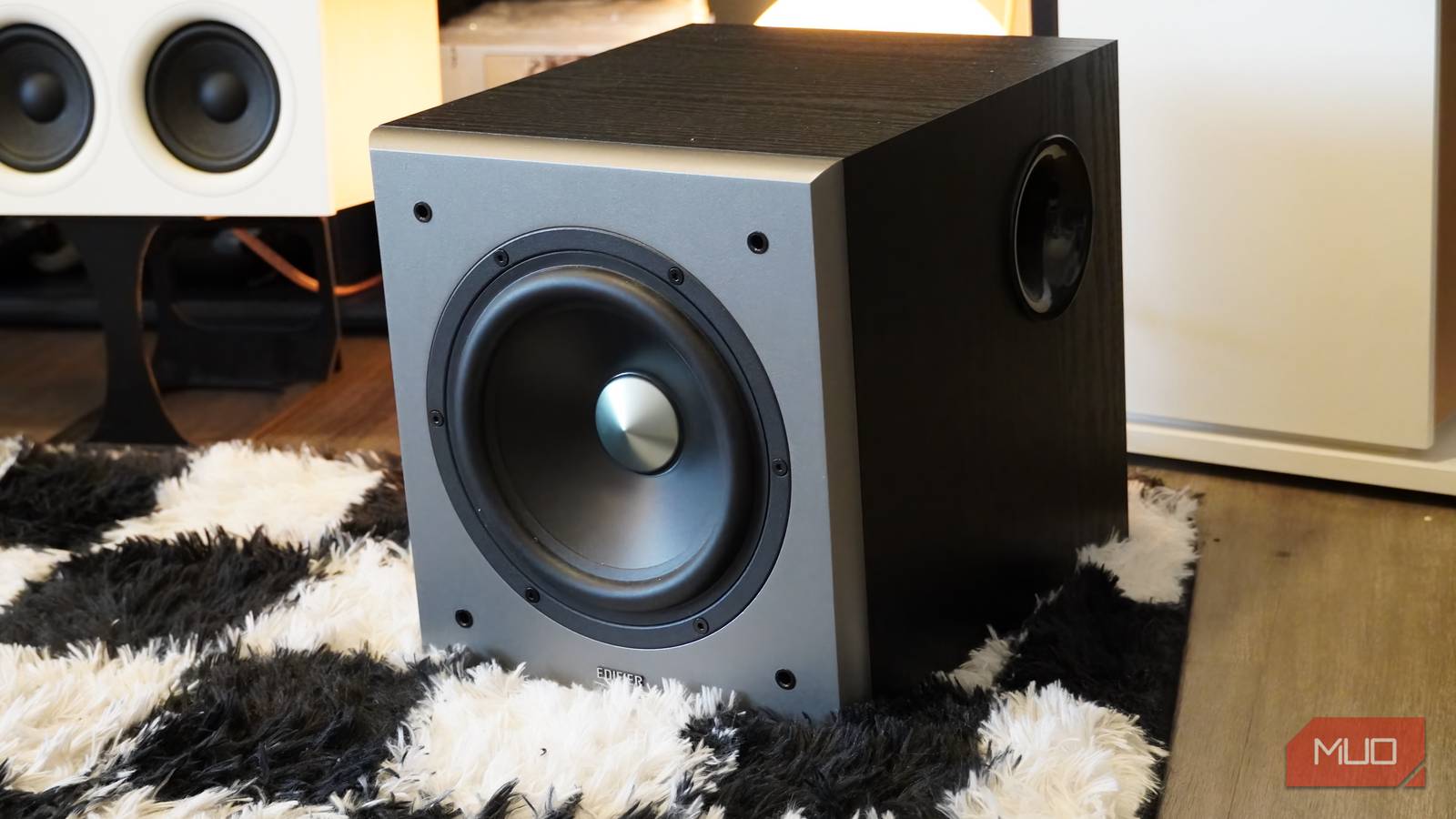
Why Your Music Might Sound Better in 2.0 Stereo Without a Subwoofer
The Shift Toward Pure 2.0 Stereo Listening
Audiophiles are reevaluating a fundamental rule of speaker design: why turning off a subwoofer for traditional music playback can make stereo systems sound significantly better.
The Stereo 2.1 Paradox in Compact Rooms
According to discussions across audiophile forums, the integration of a subwoofer in a 2.1 stereo setup looks promising on paper, but practical implementation introduces severe challenges. Reviewers note that extended break-in periods for high-end drivers naturally elevate bass response up to and beyond 200 hours of use, rendering auxiliary subwoofers redundant in smaller rooms.
When subwoofers are introduced into compact environments already optimized with acoustic treatments—such as GIK room treatments—the compounded low-frequency energy frequently leads to bass overload. Listeners constantly fiddle with crossover points, often settling around the 60 Hz to 80 Hz mark to avoid muddying the lower frequencies of the primary speakers. Yet, this constant adjustment cycle highlights a persistent flaw: rather than disappearing into the musical background, the subwoofer remains distinct and localized.
Preserving Speaker Character and Transient Response
Some audio industry bigwigs frequently advise plugging the rear ports of premium monitors when integrating a subwoofer crossover. However, enthusiasts often find that this practice strips away the signature punch and dense, chewy bass quality inherent to high-end loudspeaker engineering. For instance, attempting to cross over Joseph Audio Pulsar loudspeakers often alters their distinct sonic character, prompting owners to revert to a pure 2.0 configuration.
Furthermore, setting the crossover too high disrupts the low-frequency roll-off native to the main monitors. By running speakers without a subwoofer, listeners eliminate the phase alignment issues and gain discrepancies that plague mixed media listening—especially when switching between vinyl records and CDs.
Managing Acoustic Upgrades and Studio Infrastructure
Ultimately, stripping away the sub often reveals the true engineering of well-designed bookshelf monitors. Listeners tired of chasing seamless low-frequency blends are finding that less equipment frequently yields a truer connection to the original recording.

Disclaimer: The views and cultural analyses presented in this article are for informational and entertainment purposes only. Information regarding legal disputes or financial data is based on available public records.