
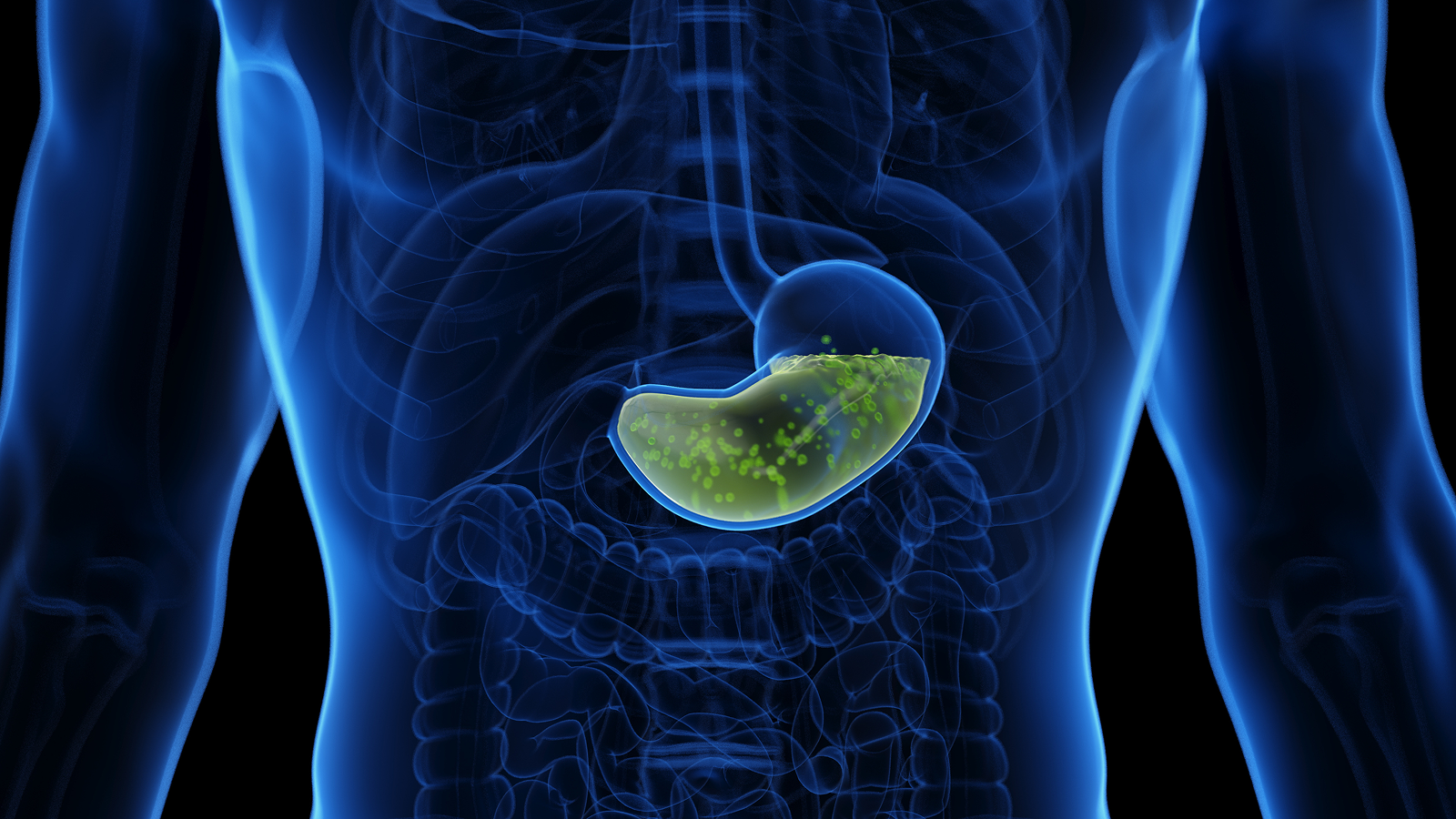
Why Doesn’t Stomach Acid Digest Itself? The Remarkable Resilience of Your Gut
If you’ve ever experienced acid reflux, you’re familiar with the burning sensation as stomach acid travels up the esophagus. Given the corrosive power of these gastric juices, a natural question arises: why doesn’t this same acid burn through the stomach itself?
The human stomach is an exceptional organ, uniquely equipped to withstand incredibly harsh conditions. Its primary function is to break down food into smaller components for absorption in the small intestine. As dr. Sally Bell, a gastroenterologist at Monash University in Australia, explains, “its role is to break down the components of physical food into smaller pieces, with the idea being that, by the time the preparation reaches the small bowel, it’s in small enough components that we can absorb it.”
The Stomach’s arsenal: Hydrochloric Acid and Digestive Enzymes
The stomach’s power lies in its specialized cells that produce potent chemicals for digestion.The cornerstone of these gastric juices is hydrochloric acid (HCl), a remarkably strong acid capable of dissolving metal. Alongside HCl, the stomach also secretes digestive enzymes like pepsin and lipase, which break down proteins and fats, respectively. This combination creates an exceptionally acidic habitat – a pH of 1.5 to 3.5 – necessary for efficient digestion.
Though, this powerful environment isn’t just about breaking down food. Dr. Benjamin levy III, a gastroenterologist at University of Chicago Medicine, highlights a crucial secondary role: “Gastric juices also help the body kill bacterial pathogens so that we don’t get sick and strategically impede the growth of bacterial overgrowth.” this is a vital defense mechanism against foodborne illnesses.
A Protective Barrier: The Mucous Layer
Without a robust defense, the stomach’s own acidic and enzymatic cocktail would quickly erode its walls, leading to painful ulcers and potentially life-threatening perforations. Fortunately, the cells lining the stomach, known as the epithelium, have evolved a elegant protective mechanism: a thick layer of mucus.
“These cells are unique in that they produce this very thick, sticky layer of mucus which is alkaline and buffers the acid,” Dr. Bell explains. “It’s proteinaceous material that is rich in bicarbonate, essentially, so it protects the stomach lining from its own acid and its own enzymes.” This mucus acts as a physical barrier and neutralizes the acid before it can damage the underlying tissue.
This protective layer isn’t static; it’s constantly renewed by the epithelial cells,ensuring continuous protection. Though,this barrier isn’t impenetrable. Damage to the mucus layer can allow acid and pepsin to reach the stomach lining, triggering inflammation and potentially leading to ulcers.
what Damages the Stomach’s Protective Layer?
Several factors can compromise the stomach’s protective barrier:
- Nonsteroidal Anti-Inflammatory Drugs (NSAIDs): These common pain relievers, including ibuprofen and naproxen, are a major culprit. NSAIDs inhibit cyclooxygenase (COX-1), an enzyme responsible for producing prostaglandins. As Dr. Levy explains, “This reduces prostaglandin production, which causes a decrease in both mucus and bicarbonate secretion,” weakening the stomach’s defense. [[1]]
- Helicobacter pylori Infection: This bacterium is a common cause of peptic ulcers. H. pylori produces enzymes that degrade the protective mucus layer and damage the epithelial cells.
- Lifestyle Factors: Smoking and excessive alcohol consumption directly damage the stomach lining. Acidic and spicy foods can overwhelm the stomach’s natural defenses, causing irritation and increasing the risk of reflux.
According to research, approximately 25% of NSAID users will experience endoscopic lesions in the gastric mucosa, and 1-4% will develop symptomatic ulcers or complications. [[2]] The mortality rate associated with NSAID-related gastrointestinal toxicity is estimated at 0.2% per year, with a 4.21 times higher risk compared to non-users. [[2]] NSAIDs are responsible for over 90% of medication-related gastric ulcers by blocking prostaglandins. [[3]]
Protecting Your Stomach: Prevention and Management
Maintaining a healthy stomach requires a multi-faceted approach:
- Judicious NSAID Use: Use NSAIDs only when necessary and at the lowest effective dose. Consider alternatives like acetaminophen when appropriate.
- H. pylori Testing and treatment: If you experience symptoms of a peptic ulcer, get tested for H. pylori and follow your doctor’s recommended treatment plan.
- Lifestyle Modifications: Quit smoking,limit alcohol consumption,and avoid foods that trigger heartburn or indigestion.
- Dietary Considerations: A balanced diet rich in fiber can support gut health.
The Stomach: A Remarkable Exmaple of Biological Engineering
The stomach is a testament to the power of evolution. Its ability to contain and utilize highly corrosive substances while simultaneously protecting itself is a remarkable feat of biological engineering. Understanding the mechanisms that safeguard the stomach allows us to appreciate its resilience and take proactive steps to maintain its health.
This article is for informational purposes only and is not meant to offer medical advice.
