Why Sport Must Not Stay Silent on Antisemitism
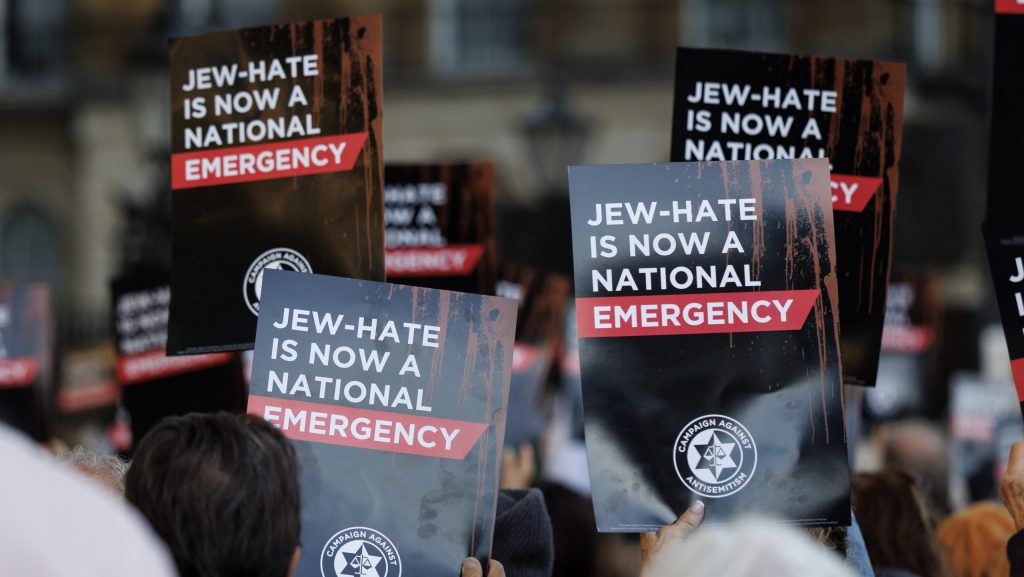
UK sports leadership is facing a critical call for consistency as targeted antisemitic attacks increase across the country. With Jewish citizens comprising 0.2% of the population, the industry is urged to break its silence and demonstrate active solidarity, highlighted by the “Standing Strong – Extinguish Antisemitism” march on May 10th in London.
This is more than a moral crossroads; it is a systemic failure in risk management. For an industry that prides itself on a “level playing field,” the current disparity in how various forms of bigotry are addressed creates a volatile environment. When sports organizations selectively apply their anti-discrimination policies, they introduce a form of institutional instability that mirrors a poorly managed salary cap—eventually, the “dead-cap hit” manifests as eroded brand equity and a fractured locker room culture.
The Business Case for Consistency: Brand Equity vs. Institutional Silence
From a front-office perspective, silence is not a neutral position; it is a strategic liability. In the modern sports economy, brand value is inextricably linked to the perceived integrity of the organization. When a franchise or league champions equality in one breath but remains mute during targeted attacks on the Jewish community, it creates a cognitive dissonance that sponsors and corporate partners find increasingly risky. We are seeing a shift where “social license to operate” is now a tangible asset on the balance sheet.

The impact of this silence extends directly to athlete performance. In high-performance environments, mental load is as critical as physical load management. An athlete who feels marginalized or unsupported due to their identity cannot maintain the psychological periodization required for peak performance. Whether we are tracking xG (Expected Goals) in football or WAR (Wins Above Replacement) in baseball, the data consistently shows that psychological safety is a prerequisite for elite execution. A player distracted by systemic exclusion is a player operating at a diminished capacity, effectively lowering their on-field value.
| Risk Metric | Impact of Institutional Silence | Impact of Consistent Allyship |
|---|---|---|
| Brand Sentiment | High Volatility / Accusations of Hypocrisy | Market Stability / Brand Loyalty |
| Athlete Cohesion | Fractured Locker Room / Reduced Trust | High Synergy / Psychological Safety |
| Sponsorship ROI | Risk of “Values Misalignment” Exit | Long-term Strategic Partnerships |
| Community Trust | Erosion of Local Fanbase Engagement | Expanded Demographic Reach |
Legal Frameworks and the Contractual Cost of Discrimination
The suggestion that British Jewish citizens are collectively responsible for overseas conflicts is not just a social fallacy; it is a legal minefield. In the context of employment law and the latest Collective Bargaining Agreements (CBAs), failing to protect employees and athletes from targeted harassment can lead to costly arbitration and litigation. When a sports organization fails to provide a safe working environment, they open themselves up to claims of negligence and breach of contract.
“The intersection of hate speech and employment law in professional sports is becoming increasingly complex. Organizations that fail to implement consistent, cross-category anti-discrimination protocols are not just failing their athletes—they are creating massive legal exposure that can result in significant financial settlements and forced leadership changes.”
For athletes and executives navigating these waters, the need for specialized vetted employment lawyers and contract specialists is paramount. Ensuring that inclusivity clauses are not just “boilerplate” text but enforceable mandates is the only way to guarantee that the “level playing field” exists in the boardroom as well as on the pitch.
Local Economic Anchoring: The London Hospitality Halo Effect
The upcoming “Standing Strong – Extinguish Antisemitism” march on May 10th in Central London serves as a focal point for this movement. Beyond the social necessity, such events highlight the intersection of sports, civic action, and the local economy. When sports franchises align themselves with these movements, they signal to the city that their presence is an investment in the community’s overall safety and stability.
The “halo effect” of a safe, inclusive sporting environment extends to the regional hospitality sector. Stadiums are not islands; they are economic engines for the surrounding hotels, restaurants, and transport hubs. If a specific segment of the population feels unsafe attending events, the resulting dip in attendance and ancillary spending creates a localized economic vacuum. To mitigate this, franchises are increasingly sourcing premium event security and hospitality vendors who are trained in diversity, equity, and inclusion (DEI) to ensure that every fan, regardless of background, feels secure from the moment they enter the city.
From Silence to Strategic Allyship
The path forward requires more than a press release; it requires a shift in operational culture. The call for consistency is a call to treat antisemitism with the same urgency and rejection as any other form of racism. This starts with internal auditing—checking in with Jewish colleagues and ensuring that the internal support structures are robust. This is where the “pro-to-amateur” pipeline is most vulnerable; if the elite level ignores the problem, the youth academies and grassroots programs will mirror that apathy.

For athletes dealing with the mental toll of exclusion, the industry must prioritize specialized sports psychology and mental health clinics. The ability to process hate and harassment is a skill that must be developed, and providing these resources is a tangible way for an organization to move from silence to action.
As we move deeper into the current sports calendar, the industry’s response to this crisis will be a litmus test for its leadership. Silence is a choice, and in the high-stakes world of global sport, that choice has a price. Those who choose consistency will find their organizations more resilient, their athletes more focused, and their brands more sustainable. The “Standing Strong” march on May 10th is not just a walk through London; it is a signal that the era of selective tolerance is over.
Whether you are a franchise owner managing a multi-million dollar cap or a local club coordinator, the goal is the same: a sporting environment where belonging is not a privilege, but a guarantee. To find the professional legal, medical, and security services necessary to build these inclusive frameworks, explore the vetted experts within the World Today News Directory.
Disclaimer: The insights provided in this article are for informational and entertainment purposes only and do not constitute medical advice or sports betting recommendations.