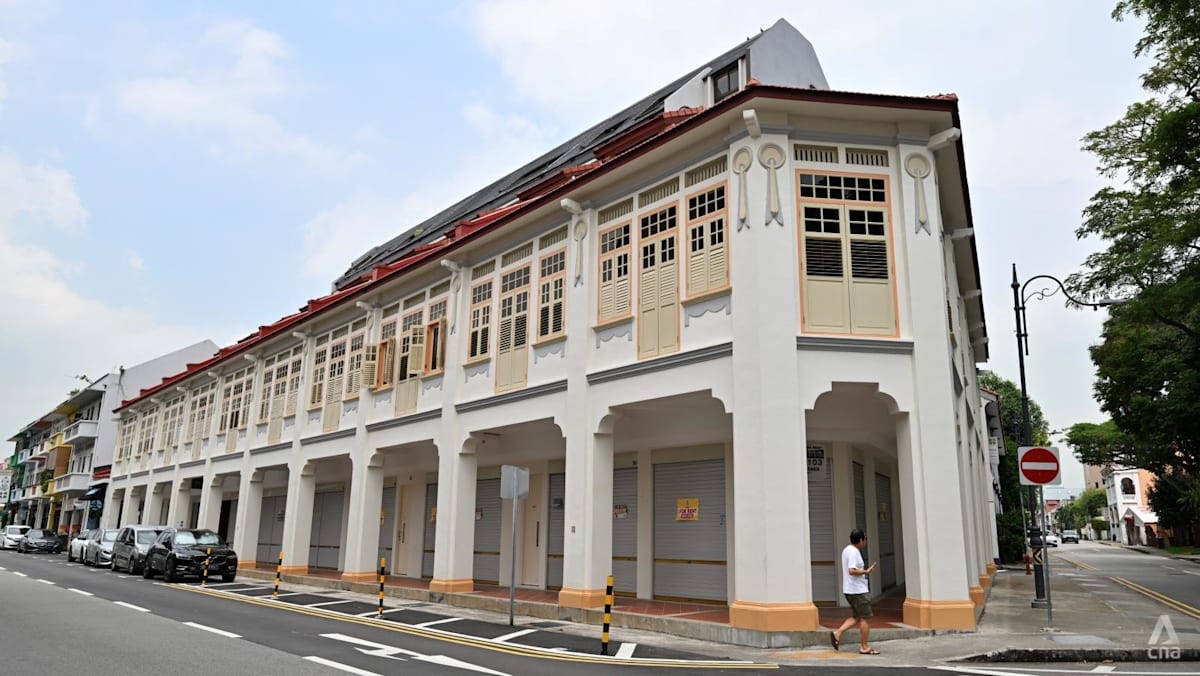
Why Some Joo Chiat Shop Units Remain Vacant Despite Demand
Commercial vacancies in Singapore’s Joo Chiat heritage district persist despite steady regional demand. A confluence of prohibitive rental hikes, rigid conservation constraints, and fragmented footfall has created a structural mismatch, leaving prime units dormant while operators struggle with unsustainable overheads in a high-interest-rate environment.
The paradox of the “empty shop” in a thriving enclave is rarely about a lack of interest. it is a failure of the capital stack. When landlords price units based on projected “lifestyle” premiums rather than actual tenant EBITDA margins, the result is a dead zone of shuttered storefronts. This misalignment forces struggling operators to seek the expertise of commercial real estate consultants to renegotiate lease terms or pivot their business models before insolvency becomes inevitable.
The Delta Between Prime Yields and Operational Reality
The current volatility in Joo Chiat’s retail landscape is a textbook example of cap rate compression meeting a ceiling of consumer spending. For years, the “heritage” label has allowed landlords to command a premium, decoupling rents from the actual revenue-generating capacity of the units. In the Outside Central Business District (OCBD) sector, the Urban Redevelopment Authority (URA) has tracked fluctuations in retail rental indices that often outpace the organic growth of small-to-medium enterprises (SMEs).
When a landlord anchors their asking price to the peak valuations of the previous cycle, they ignore the crushing weight of current borrowing costs. For a boutique retailer or a specialty cafe, the rent-to-revenue ratio is the primary driver of viability. If that ratio exceeds 20-25%, the business is effectively subsidizing the landlord’s asset appreciation. This creates a “vacancy trap” where units remain empty not for lack of tenants, but for lack of viable tenants.

“The shift toward experience-led retail in Singapore’s heritage districts is undeniable, but the financial architecture hasn’t kept pace. We are seeing a widening gap between the ‘trophy asset’ valuation and the actual cash-flow reality of the operators on the ground.”
This disconnect is further exacerbated by the lack of flexible leasing structures. Most heritage shophouses are tied to rigid, long-term contracts that offer little protection against macroeconomic shocks. Many operators are now turning to corporate law firms to navigate the complexities of lease terminations and force majeure clauses in an increasingly unpredictable market.
The Three Structural Drivers of Heritage Vacancy
To understand why a row of shops can remain empty for over a year in a high-demand area, one must look past the surface-level “demand” and analyze the micro-economic frictions at play.
- The Conservation Tax: Heritage status is a double-edged sword. While it drives tourism and “instagrammability,” it imposes severe planning constraints. Renovating a conservation shophouse requires stringent adherence to preservation guidelines, skyrocketing the initial CAPEX for any new tenant. When the cost of fitting out a space exceeds the projected three-year NPV (Net Present Value), the risk-adjusted return becomes unattractive.
- Footfall Fragmentation: Joo Chiat suffers from “pocketed demand.” While the main arteries see heavy traffic, secondary streets and specific redevelopment clusters experience erratic footfall. A business cannot survive on “steady demand” if that demand is concentrated three blocks away. This uneven distribution makes specific units “toxic” regardless of the overall neighborhood popularity.
- The Anchor Tenant Void: Modern retail relies on the “halo effect” of anchor tenants. In many of the vacant stretches of Joo Chiat, the departure of long-term, high-traffic establishments has left a vacuum. Without a primary draw to pull pedestrians into the side streets, the remaining units lose their conversion potential, making them unappealing to new entrants who fear the “ghost street” effect.
This environment creates a precarious situation for asset managers. The temptation is to hold out for a “high-net-worth” tenant who can afford the premium, but prolonged vacancy erodes the asset’s overall valuation and damages the neighborhood’s commercial ecosystem. To solve this, developers are increasingly hiring urban planning consultants to redesign the tenant mix, prioritizing synergy over maximum per-square-foot yield.
Liquidity Traps and the Future of the Enclave
The broader implication for Singapore’s retail market is the emergence of a “liquidity trap” in specialized districts. When assets are overvalued, landlords cannot lower rents without triggering a write-down of the property’s valuation, which could violate loan-to-value (LTV) covenants with their lenders. They would rather leave a unit empty than accept a market-rate rent that signals a decline in asset value.
This financial stalemate is a systemic risk. As more units remain vacant, the “lifestyle” appeal of the enclave diminishes, leading to a downward spiral of footfall and further vacancies. The only path forward is a pragmatic recalibration of rental expectations and a shift toward “performance-based” leases, where a portion of the rent is tied to the tenant’s actual turnover.
Looking ahead to the next few fiscal quarters, the success of Joo Chiat will depend on whether landlords prioritize long-term occupancy over short-term valuation optics. The market is signaling a clear need for a more sustainable equilibrium between the prestige of heritage real estate and the brutal math of retail operations.
For firms navigating these volatile commercial landscapes, the ability to source vetted, expert partners is the only hedge against structural failure. Whether it is optimizing a lease or restructuring a retail portfolio, the World Today News Directory remains the definitive resource for connecting enterprises with the B2B services required to survive the current economic realignment.