
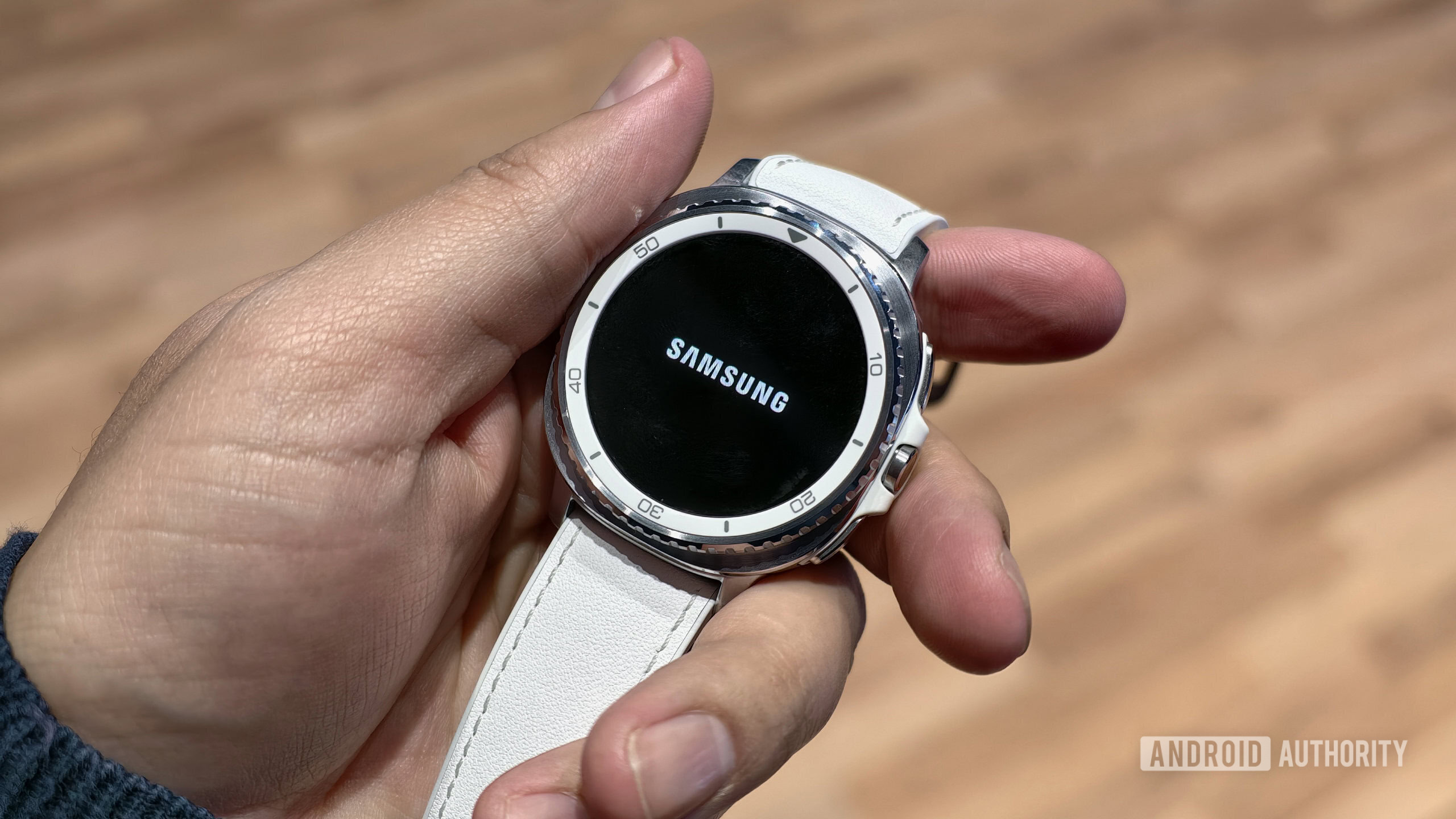
Why Samsung Must Stop Gating Smartwatch Features
Samsung is playing a dangerous game of ecosystem hostage-taking. While the hardware in the Galaxy Watch series continues to iterate toward peak efficiency, the software remains intentionally crippled for anyone not tethered to a Galaxy handset. In 2026, this isn’t a technical limitation—it’s a strategic bottleneck.
The Tech TL. DR:
- The Friction: Core health telemetry and advanced sensors remain gated behind Samsung-to-Samsung pairing, ignoring the interoperability standards of Wear OS.
- The Risk: Fragmented data silos prevent a unified health-tech stack, limiting the utility of the device for users in diverse Android environments.
- The Fix: A transition to open API standards for health data would unlock the device’s full utility without compromising the underlying SoC performance.
The core issue here isn’t the lack of a “killer feature” for the upcoming Galaxy Watch 9; it’s the persistence of an artificial software wall. We are seeing a trend where OEMs prioritize “ecosystem lock-in” over the actual deployment of hardware capabilities. From a systems architecture perspective, this is absurd. The sensors—PPG, ECG, and bioelectrical impedance analysis—are already on the wrist. The data is being captured. The bottleneck is simply a refusal to push that data to non-Samsung endpoints via the standard Android Health Connect API.
For the power user, this creates a fragmented UX. If you’re running a Pixel or a Nothing phone, you’re essentially paying for a premium sensor suite that is running in a degraded state. This isn’t just a consumer annoyance; it’s a failure in continuous integration. When a device is built on Wear OS, the expectation is a baseline of interoperability. By gating features, Samsung is introducing artificial latency into the user’s health-tracking workflow.
“The trend of ‘feature-gating’ at the OS level is a regression in product design. We are moving from an era of open standards back to the ‘walled garden’ mentality, which stifles the ability for third-party developers to build cross-platform health integrations.” — Marcus Thorne, Lead Systems Architect at OpenWear Project.
The Tech Stack & Alternatives Matrix
To understand why this gating is a choice rather than a constraint, we have to look at the current wearable landscape. Samsung’s hardware is formidable, but the software philosophy is increasingly at odds with the industry’s shift toward decentralized data.
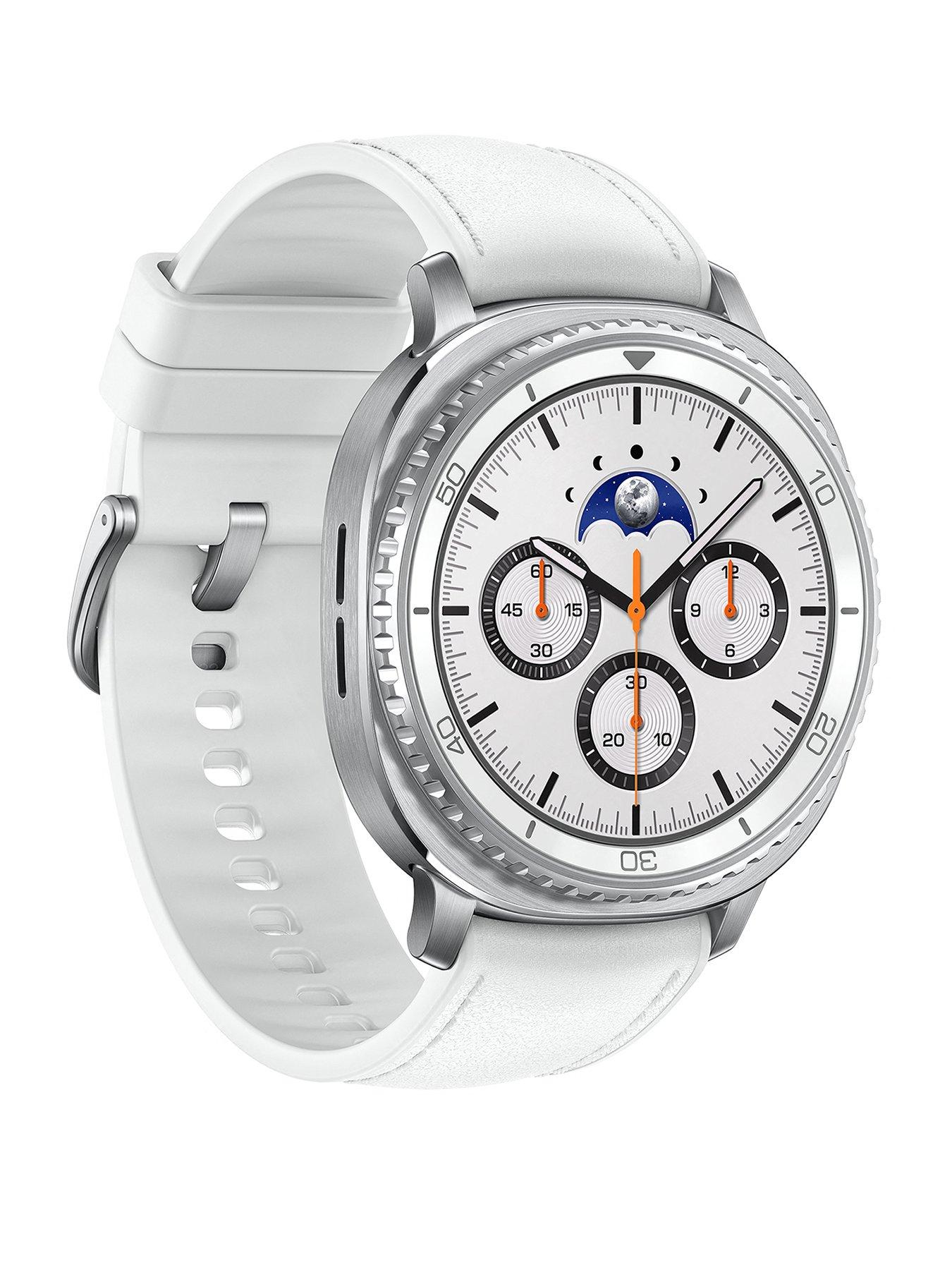
Galaxy Watch vs. Pixel Watch vs. Garmin
When comparing the Galaxy Watch 9’s projected trajectory against its primary rivals, the gap isn’t in the silicon—it’s in the accessibility of the data layer.
| Metric | Galaxy Watch (Gated) | Pixel Watch (Open) | Garmin (Agnostic) |
|---|---|---|---|
| OS Foundation | Wear OS + One UI Watch | Pure Wear OS | Proprietary |
| Data Portability | Low (Samsung Health Cloud) | High (Google Health Connect) | Very High (Garmin Connect) |
| Interoperability | Restricted to Galaxy Ecosystem | Broad Android Support | Cross-Platform Native |
| Sensor Access | API-Limited for 3rd Party | Standardized Android APIs | Open SDK for Developers |
The “Samsung Tax” is no longer about the price of the hardware; it’s the cost of the restricted feature set. For developers trying to build health-monitoring apps, this is a nightmare. If you desire to access specific biometric markers on a Galaxy Watch from a non-Samsung phone, you’re often fighting against undocumented API limits or forced redirects to the Samsung Health app, which acts as a proprietary middleware.
For enterprises deploying wearable wellness programs, this lack of transparency is a red flag. Companies requiring SOC 2 compliance and rigorous data auditing cannot afford to have health data trapped in a proprietary black box. They need clear, auditable paths from the sensor to the secure database, which is why many are pivoting toward agnostic hardware providers.
The Implementation Mandate: Bypassing the Gate
While Samsung keeps the official gates closed, the developer community often finds ways to bridge the gap. For those looking to extract raw health data from a Wear OS device into a custom dashboard or a local database, the move is to leverage the Health Connect API. While this doesn’t “unlock” the gated Samsung features, it allows for the aggregation of data that is available, bypassing the Samsung Health UI entirely.
Below is a conceptual implementation of how a developer would request permission to read heart rate data via the Android Health Connect client, which is the standard for modern wearable integration:
// Requesting permission for Heart Rate data via Health Connect API val permissions = setOf( HealthPermission.getReadPermission(HealthRecord.HEART_RATE) ) val requestPermissionLauncher = rememberLauncherForActivityResult( PermissionRequestContract() ) { granted -> if (granted.containsAll(permissions)) { // Proceed to fetch heart rate telemetry fetchHeartRateData() } else { // Handle permission denial Log.e("HealthStack", "Permission denied for HR data") } } // Trigger the permission flow requestPermissionLauncher.launch(permissions) This approach is the only way to maintain a “single source of truth” for health data across different device brands. However, the real solution isn’t a workaround; it’s for Samsung to stop treating the Galaxy Watch as a peripheral and start treating it as a standalone compute node. According to the official Android Wear OS documentation, the framework is designed for flexibility—Samsung is simply choosing to ignore that design philosophy in favor of market share retention.
This artificial restriction creates a massive opportunity for custom software development agencies to build middleware that bridges these gaps, though the sustainability of such projects is always at the mercy of the next firmware update. A single OTA (Over-The-Air) patch can render a community-built bridge obsolete, highlighting the fragility of the current “hacker” ecosystem surrounding Samsung wearables.
The Architectural Bottleneck: Why “Unlock” Matters
From a hardware perspective, the Galaxy Watch 9 is likely to feature an upgraded NPU (Neural Processing Unit) for on-device AI health analysis. If Samsung continues to gate these AI-driven insights—such as sleep apnea detection or advanced glucose monitoring—behind a specific phone pairing, they are effectively throttling the ROI of their own silicon. The compute happens on the watch; the phone is merely a display for the results. There is zero technical justification for this restriction.
We are seeing this pattern across the industry, but Samsung’s execution is particularly aggressive. While Apple’s ecosystem is a fortress, it is consistent. Samsung is attempting to build a fortress on top of an open plain (Android), which creates a jarring user experience. For the CTOs and senior devs reading this, the lesson is clear: technical debt isn’t just about bad code; it’s about bad product strategy that ignores the fundamental laws of interoperability.
As we move toward 2027, the pressure will mount. With the rise of the “AI Cyber Authority” and increased federal regulation regarding health data portability, the “gated garden” approach will likely collide with legal mandates for data accessibility. Those who continue to silo data will find themselves outpaced by leaner, more open competitors who prioritize the data pipeline over the brand ecosystem.
the Galaxy Watch 9 doesn’t need a bigger battery or a brighter screen to be a success. It needs a philosophy shift. Until Samsung unlocks the hardware they’ve already shipped, they aren’t selling a tool—they’re selling a leash. For those tired of the restrictions, it may be time to look toward specialized hardware consultants to find devices that actually respect the user’s ownership of their own biometric data.
Disclaimer: The technical analyses and security protocols detailed in this article are for informational purposes only. Always consult with certified IT and cybersecurity professionals before altering enterprise networks or handling sensitive data.