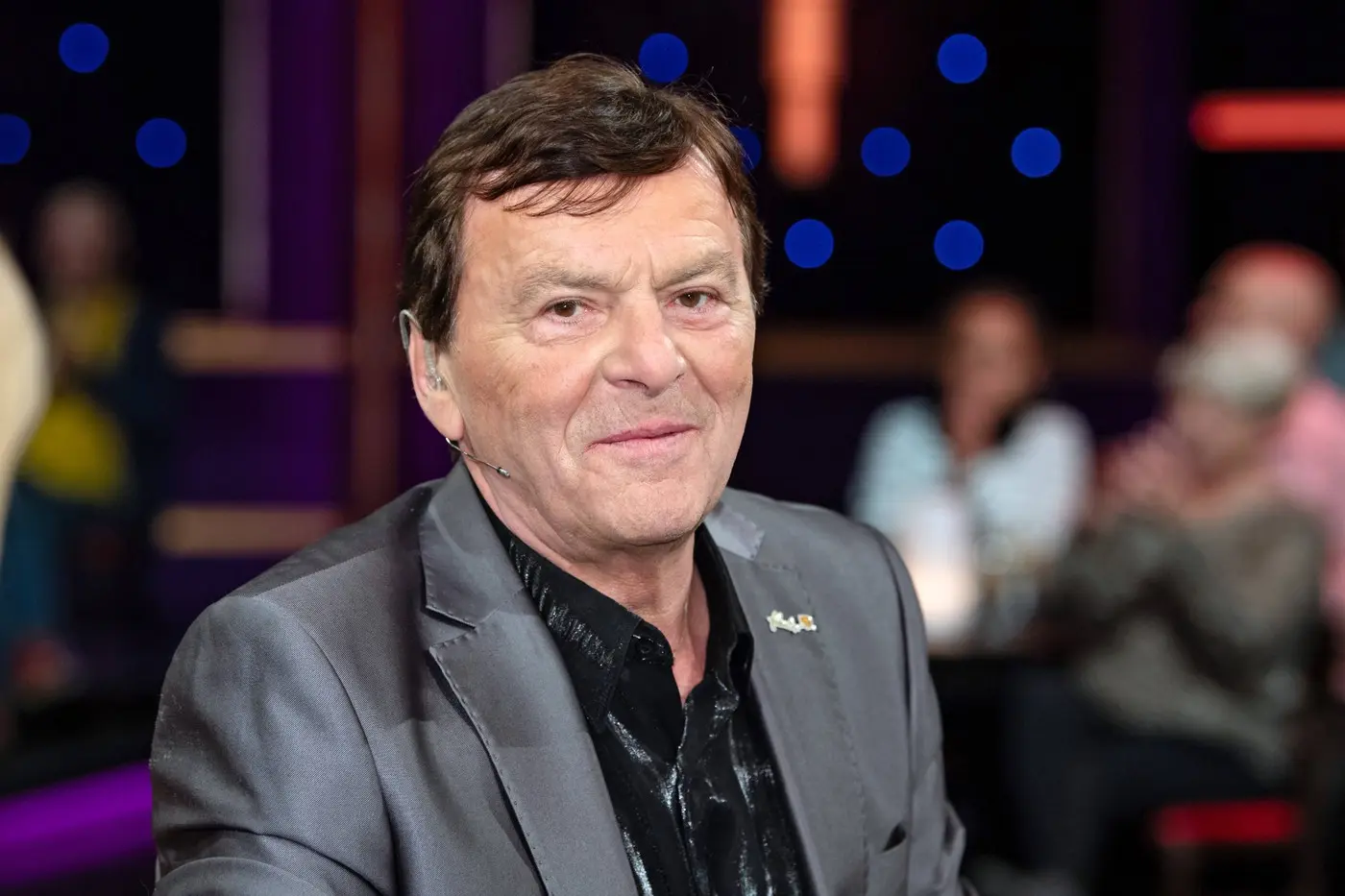
Why Pavel Trávníček Skipped Norway’s Cinderella Screening Over Fee
Czech actor Pavel Trávníček demanded 250,000 crowns—equivalent to 10,000 US dollars—to attend a Norwegian gala screening of the holiday classic Three Wishes for Cinderella, prompting organizers to immediately reject the fee, according to tvguru.cz.
The Cost of a Fairy Tale Appearance in Oslo
The financial demand surfaced when Norway’s National Library planned a festive screening of the newly restored fairy-tale film in Oslo. Acting on behalf of the Ministry of Foreign Affairs, the library negotiated with the actor’s manager and wife, Monika Trávníčková. She stated via email that the actor required 10,000 dollars for his attendance, public availability, and press duties. That figure stood in stark contrast to the 500 dollars—roughly 10,000 crowns—the actor charged for an interview in 2013.
Public institutions handling state funds operate under strict financial regulations. The Norwegian Ministry of Foreign Affairs responded that it lacked the authorization to cover such high fees. When organizers returned to Trávníčková with a second pitch framing the premiere as a tribute to the actor, they received another refusal, leaving the demands unmet.

Contrasting Approaches to Heritage Screenings
While the actor’s camp stood firm on the financial requirement, other key figures involved with the production approached the milestone differently. Director Václav Vorlíček made the trip to Oslo voluntarily without claiming any honorarium, despite being 85 years old at the time. Lead actress Libuše Šafránková missed the event due to illness. Paid appearances at international fan events and festivals remain a standard part of the acting profession, meaning the actor’s requests aligned with industry norms even if they exceeded public institutional budgets.
The cultural footprint of the film in Norway remains exceptionally strong. First broadcast there in 1975, the movie became a Christmas Eve morning fixture on the public broadcaster NRK since the 1990s, drawing hundreds of thousands of viewers annually. Professor Sara Brinch attributes part of that enduring appeal to a unique local dubbing tradition where a single actor, Knut Risan, voiced every role.