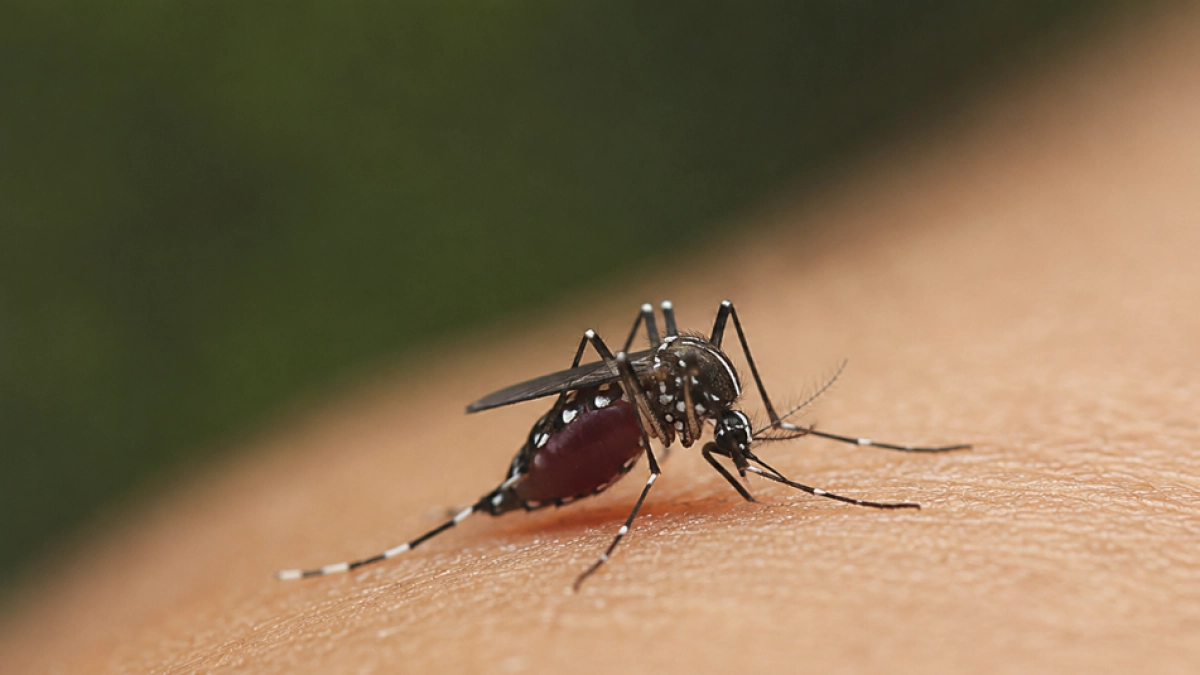
Why Mosquitoes Prefer Certain People: The Science Explained
Individual variation in mosquito attraction is primarily driven by complex chemical signatures on the skin, specifically the concentration of volatile organic compounds (VOCs) such as carboxylic acids, ammonia, and lactic acid. Research published in Current Biology confirms that certain human subjects consistently produce higher levels of these compounds, creating a distinct “olfactory profile” that functions as a potent attractant for female mosquitoes seeking protein for egg development.
Key Clinical Takeaways:
- Mosquito attraction is not based on “sweet blood” but rather the chemical composition of skin-derived volatile organic compounds.
- Microbiome diversity on the skin significantly influences the specific scent profile that triggers mosquito sensory receptors.
- Metabolic factors, including body temperature and carbon dioxide exhalation rates, act as secondary long-range attractants.
The Biological Basis of Host Selection
The pathogenesis of mosquito-borne diseases—such as Dengue, Zika, and Malaria—relies heavily on the vector’s ability to locate a host via sophisticated sensory systems. According to a longitudinal study from The Rockefeller University, funded in part by the Howard Hughes Medical Institute, mosquitoes utilize a multi-modal sensory approach. Initially, they detect carbon dioxide (CO2) gradients from a distance. As they approach, the insect’s olfactory receptors shift focus to skin-derived carboxylic acids.
Individuals with high skin concentrations of 3-methyl-3-hydroxyhexanoic acid, a byproduct of skin microbiome activity, are statistically more likely to experience repeated bites. This is not a matter of blood type, a common misconception currently unsupported by peer-reviewed clinical evidence. Instead, the skin’s acidic mantle and the specific bacteria residing within the stratum corneum dictate the intensity of the chemical signal.
Epidemiological Implications and Vector Control
Public health experts emphasize that understanding these attractants is essential for developing next-generation repellents. Unlike traditional DEET-based products, which function by masking or disrupting olfactory receptors, emerging research focuses on synthetic ligands that could potentially “blind” the mosquito to human-specific VOCs. Per the World Health Organization, vector-borne diseases account for more than 17% of all infectious diseases globally. Monitoring these chemical interactions is a priority for clinical researchers aiming to reduce the morbidity associated with mosquito-vectored pathogens.

For individuals living in high-risk zones, managing exposure is a clinical necessity. If you are experiencing allergic hypersensitivity to mosquito bites or secondary skin infections (impetigo), it is imperative to seek care. Patients should consult with board-certified dermatologists to discuss medical-grade barrier creams and anti-inflammatory protocols to manage localized systemic reactions.
The Role of Metabolic and Environmental Variables
Beyond skin chemistry, internal metabolic processes contribute to host “visibility.” High-intensity exercise increases the production of lactic acid and elevates body temperature, both of which are documented attractants. A report in the National Library of Medicine indicates that increased metabolic heat signatures accelerate the speed at which mosquitoes can lock onto a target. This creates a clinical gap for active populations who may inadvertently increase their vector exposure during peak activity hours.
Clinicians at specialized infectious disease centers often advise patients traveling to endemic areas to integrate environmental control measures. This includes the use of permethrin-treated clothing and high-efficacy spatial repellents. For corporate entities managing outdoor workforces or residential developments, engaging with public health compliance consultants is standard practice to mitigate the occupational risk of mosquito-borne viral transmission.
Future Trajectories in Vector Mitigation
The field is currently moving toward personalized repellent strategies. By analyzing an individual’s unique skin microbiome, it may soon be possible to prescribe specific, non-toxic topical agents that neutralize the specific VOCs attracting vectors. As research progresses into Phase III testing for novel repellent delivery systems, the focus remains on the intersection of human microbiology and entomology.
While the genetic and environmental determinants of why some individuals are “mosquito magnets” remain a subject of active inquiry, current evidence points toward a synergy between skin flora and metabolic output. As these diagnostic tools become more accessible, preventative measures will move away from generic, one-size-fits-all repellents toward targeted, evidence-based interventions.
Disclaimer: The information provided in this article is for educational and scientific communication purposes only and does not constitute medical advice. Always consult with a qualified healthcare provider regarding any medical condition, diagnosis, or treatment plan.